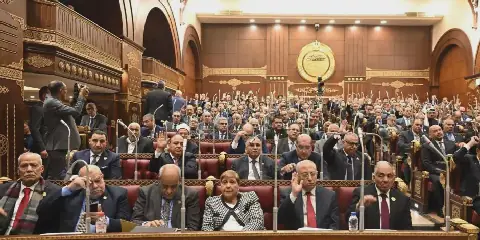
Mauritania's newly appointed government has sparked mixed reactions, with many citizens expressing skepticism about the possibility of meaningful change. The government, led by a new prime minister, comprises mostly familiar faces, raising concerns about the continuation of old-guard politics. With over 536 former ministers, many of whom have been inactive for years, the new government's ability to address pressing issues remains uncertain.
The outgoing government's legacy has been marred by controversy, including a devastating fire at a fuel depot and allegations of extortion. These incidents have left many citizens disillusioned with the government's ability to provide basic services and ensure public safety. As the new government takes office, citizens are eager to see tangible improvements in their daily lives.
According to sources close to the government, the new cabinet is expected to prioritize representation from minority tribes in various regions. This move is seen as an attempt to address long-standing concerns about marginalization and exclusion. However, critics argue that this approach may only serve to further entrench tribal politics and patronage.
One notable appointment is that of the new Minister of Industry, whose background has sparked interest due to his supposed connections to specific tribal groups. The minister's profile has been subject to scrutiny, with some observers speculating about the government's intentions behind his appointment. The minister's ability to navigate complex tribal dynamics will be closely watched.
The new government's communication strategy is also under scrutiny, with the appointment of a new government spokesperson. The spokesperson's task will be to articulate the government's vision and policies, while also addressing growing public discontent. However, with many citizens expressing frustration about the government's performance, the spokesperson's message may fall on skeptical ears.
As the new government begins its term, citizens are already expressing concerns about the continuity of basic services, including access to water and electricity. The government's ability to address these pressing issues will be crucial in determining its legitimacy and effectiveness. With many citizens holding their breath, the government's next moves will be closely watched.
Despite the skepticism, some observers believe that the new government may still have the potential to surprise. With a renewed focus on addressing long-standing issues, the government may be able to regain public trust and demonstrate its commitment to meaningful change. However, with many challenges ahead, the government's success will depend on its ability to navigate complex tribal dynamics and deliver tangible results.
Key points
- The new government's composition has sparked concerns about the continuation of old-guard politics in Mauritania.