The rapid deterioration of Mauritania's infrastructure, particularly roads, has raised eyebrows. Some roads begin to crack and form potholes just months after being put into service. These roads are constructed by reputable companies, overseen by the Ministry of Transport or study bureaus, and paid for at a premium. This has led to questions about where the problem lies and who is at fault.
The issue seems to be with the construction process itself. Were the roads built with subpar materials, without adhering to technical standards, and with profit margins prioritized over quality? The fact that the only road still in good condition, years after its completion, is the one connecting Nouakchott to Rosso, suggests that external oversight can make a difference. This road was financed by the European Union, which required the contractor and monitoring bureau to be from Europe.
The contrast between this road and others built by national companies is stark. The lack of quality in infrastructure projects is not an isolated issue, but rather a symptom of a larger problem. Complacency and a lack of accountability seem to be pervasive, with many parties involved in the construction process turning a blind eye to subpar work. This has significant implications for the country's development and future generations.
The issue is not limited to road construction. Recent incidents, such as the arson attacks on Somelec's transformation posts, demonstrate the extent of the problem. These incidents show that some individuals are willing to go to great lengths to exploit the system for personal gain, with little regard for the consequences.
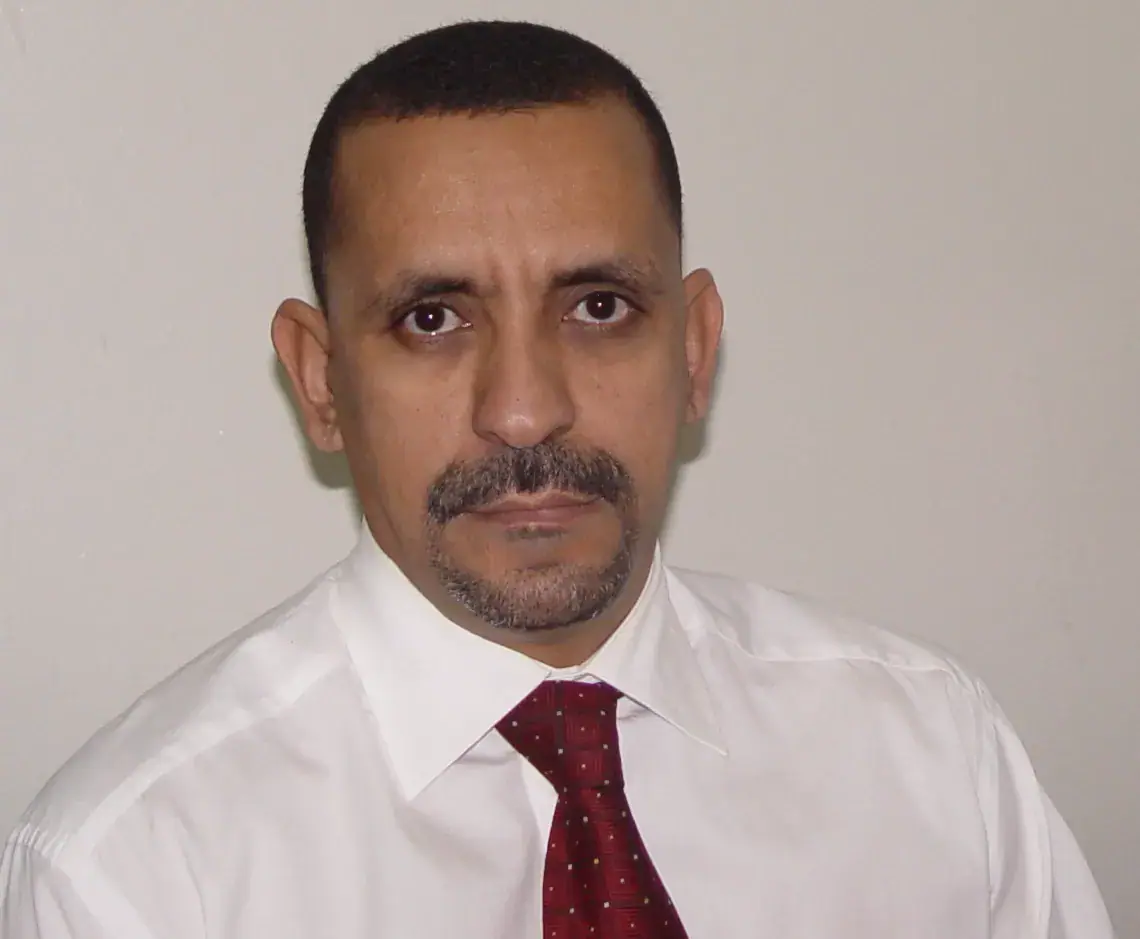
According to Ahmed ould Cheikh, the situation is a result of a combination of factors, including a lack of accountability and a culture of complacency. The fact that some companies and individuals are able to benefit from this system, while the country suffers, raises questions about the role of oversight and regulation.
The Mauritanian government and citizens alike are calling for greater accountability and transparency in infrastructure projects. The country's resources are being squandered on subpar projects, which could have long-term consequences for the country's development. It remains to be seen whether the authorities will take concrete steps to address these issues.
The situation highlights the need for greater scrutiny and oversight of infrastructure projects in Mauritania. The country's infrastructure woes are a symptom of a larger problem, one that requires a comprehensive solution.
Key points
- The rapid deterioration of Mauritania's roads has raised concerns over construction quality and accountability.
- The country's infrastructure projects are often built without adhering to technical standards, with profit margins prioritized over quality.
- External oversight, such as that provided by the European Union, can make a significant difference in ensuring the quality of infrastructure projects.