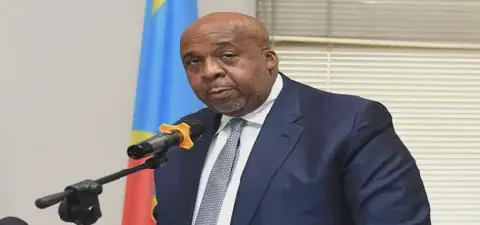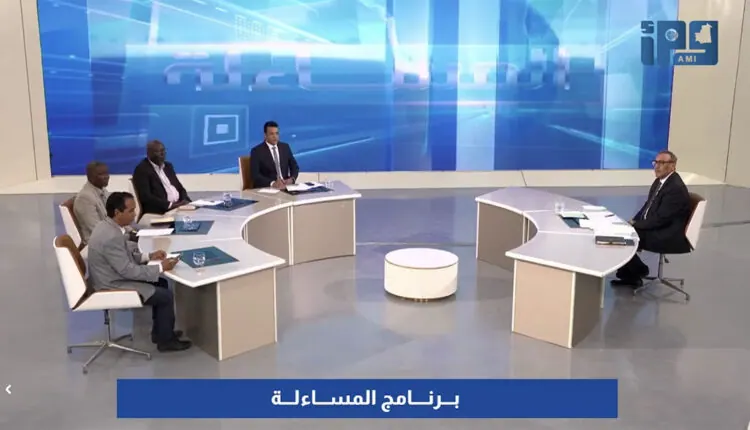
Mauritania's Minister of Higher Education and Scientific Research, Yacoub Ould Moine, recently appeared on the national TV show "Redevabilité" to discuss the achievements of his department and outline future plans. The show, organized by public media outlets, aims to promote transparency and accountability in government. During the broadcast, Ould Moine highlighted the significant progress made in the higher education sector, including the expansion of institutional infrastructure, improved access to higher education, and diversification of academic offerings.
The minister emphasized that the higher education sector has received increasing attention under President Mohamed Ould Cheikh El Ghazouani's leadership, with a focus on developing human capital and transitioning to a knowledge-based economy. He noted that the budget allocated to higher education has increased substantially, from 10 billion ouguiyas in 2016 to 23 billion ouguiyas in 2026. This increase has enabled the sector to expand its offerings and improve the quality of education.
Ould Moine reported that the number of students in higher education has grown significantly, from 22,679 in 2019 to 51,214 in 2026. This represents a substantial increase in access to higher education, with the current rate of access standing at 10%, surpassing the African average. He also noted that students in higher education now account for around a quarter of all baccalaureate holders in Mauritania, which totals approximately 200,000.
The minister highlighted the establishment of new specialized institutions, including the Higher Institute of Statistics, the Higher Institute of Energy, and the National Agency for Scientific Research and Innovation. These institutions have contributed to a significant increase in the number of academic programs available to students, which has more than quadrupled from 30 in 2019 to 136 in 2026. The programs focus on emerging fields, such as technology, digitalization, and artificial intelligence.
Ould Moine also discussed the improvements made in the academic staff, with the number of teachers increasing from 764 in 2019 to 921 currently. He noted that a new recruitment process is underway, which will bring the total number of teachers to 1,041. Additionally, the minister announced a 62% increase in salaries for higher education teachers compared to 2019.
The minister touched on the expansion of infrastructure and academic offerings at the new university complex in Nouakchott, which has accommodated around 18,400 students since 2022. He also highlighted the growth of research in the sector, with the number of doctoral schools increasing from three to nine and 65 new master's programs launched. Furthermore, agreements have been signed with international institutions to offer double diplomas.
Looking ahead, Ould Moine outlined plans to increase the capacity of the École normale supérieure and to open new institutions in the country's interior regions. He confirmed that projects are underway to establish new universities and institutes, with financing from development funds such as the Saudi Development Fund and the Islamic Development Bank. The minister also emphasized the importance of aligning research with national development priorities.
Key points
- The budget for higher education in Mauritania has increased from 10 billion ouguiyas in 2016 to 23 billion ouguiyas in 2026.
- The number of students in higher education has grown from 22,679 in 2019 to 51,214 in 2026.
- The number of academic programs available to students has more than quadrupled from 30 in 2019 to 136 in 2026.