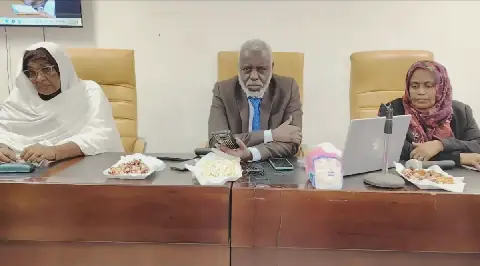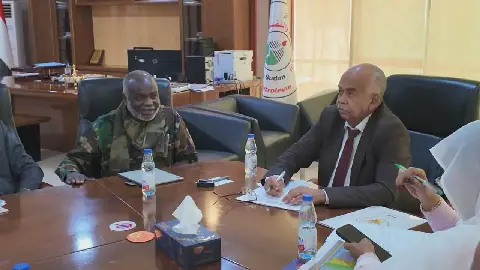
Mauritania's Minister of Higher Education and Scientific Research, Yakob Ould Amin, has announced a significant increase in the country's higher education budget. The budget has risen from 10 billion ouguiyas in 2016 to 23 billion ouguiyas by 2026. This substantial growth reflects the government's commitment to developing the education sector. The minister made this revelation during an interview on the "Al-Mas'uliya" program, which is broadcast simultaneously on the official radio and television stations.
The number of students in Mauritania has witnessed a considerable surge in recent years. In 2019, the total number of students was 22,679, representing a penetration rate of just 5.8%. However, by 2026, the student population had increased to 51,214, resulting in a penetration rate of 10%. This growth in student enrollment underscores the need for enhanced educational infrastructure and resources. The minister's remarks highlight the government's efforts to address these challenges and improve the quality of education.
The number of direct teaching staff in Mauritania's higher education sector has also seen a notable increase. In 2019, there were 764 lecturers, which rose to 921 currently. Following a new recruitment process, the total number of lecturers is expected to reach 1,041. This expansion in teaching staff is crucial to providing quality education and supporting the growing student population. The minister's announcement demonstrates the government's commitment to strengthening the education workforce.
In addition to the increase in teaching staff, the minister revealed that the salaries of higher education lecturers have risen by 62% compared to 2019. This adjustment aims to enhance the welfare and motivation of lecturers, ultimately contributing to improved educational outcomes. The minister also mentioned that the current budget for scientific research stands at 500 million ouguiyas, with plans for further growth.
The minister justified the decision to halt the sending of Ph.D. students abroad, citing a new strategy to link scientific research to national development priorities. This shift in policy aims to ensure that research is aligned with the country's needs and goals. By focusing on local research initiatives, the government hopes to drive innovation and address pressing national challenges.
To expand access to higher education, the minister announced plans to establish new educational institutions in the country's interior regions. These initiatives will be funded by development funds, including the Saudi Development Fund and the Islamic Development Bank. The creation of these new institutions is expected to increase educational opportunities for students from diverse backgrounds and regions.
The minister's remarks underscore the government's commitment to transforming Mauritania's higher education sector. The significant increase in budget allocation, coupled with plans to expand infrastructure and teaching staff, reflects a broader strategy to enhance the quality and accessibility of education. As the country continues to develop its education sector, it is likely to have a positive impact on the nation's human capital and socio-economic development.
Key points
- The budget for Mauritania's higher education sector has increased from 10 billion ouguiyas in 2016 to 23 billion ouguiyas by 2026.
- The number of students in Mauritania's higher education sector has risen from 22,679 in 2019 to 51,214 by 2026.
- The salaries of higher education lecturers in Mauritania have increased by 62% compared to 2019.