The general state of affairs in Mauritania has become a pressing concern for its citizens, governments, politicians, media, and intelligence agencies. The country's capital, Nouakchott, is experiencing irregular electricity services, with frequent power outages and burning of electrical poles. The youth are worried about the lack of job opportunities, while those involved in informal gold mining are concerned about the risks and challenges they face.
The cost of living in Mauritania is also a major issue, with rising meat and sheep prices making it difficult for many to afford basic necessities. The country's media is reporting on the restrictions on press freedom, and citizens are expressing concerns about the high cost of living. The situation is further complicated by the increasing crime rate, with recent incidents of murder reported in the capital and in the Eastern Basin region.
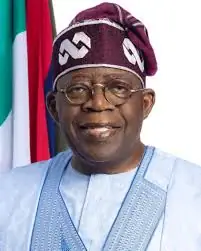
President Mohamed Ould Ghazouani has stated that the general state of the country is good, despite these concerns. During a recent visit to Adrar, he claimed that the situation was under control. However, the state of the country's infrastructure, including the water and electricity services in the city of Atar, remains a challenge. The road between Atar and Chinguetti is still under construction, and the date of completion has been pushed back several times.
The President's assessment of the situation was echoed by Prime Minister Mohamed Ould Aijay, who recently stated that the situation in the country was good during a visit to Riyadh. However, he also acknowledged that the country's electricity and sanitation challenges persisted. The government's efforts to address these issues have been met with skepticism by some, who point to the lack of progress in tackling corruption and ensuring accountability.
The Mauritanian government has taken steps to address corruption, including the establishment of an anti-corruption agency. However, the effectiveness of these efforts has been questioned by some, who point to the lack of tangible results. The government has spent approximately 300 million ouguiya on a commission to investigate recent fires, but critics argue that this money could have been better spent on addressing the root causes of these incidents.
The lack of progress in tackling corruption has led to widespread skepticism about the government's commitment to reform. Many citizens are concerned that the government's efforts are being undermined by the influence of powerful individuals and groups. The government's ability to address these concerns and deliver tangible results will be crucial in determining its success.
The country's general state of affairs is likely to remain a pressing concern for its citizens and the international community. The government's efforts to address these challenges will be closely watched, and its success will depend on its ability to deliver tangible results and demonstrate a commitment to reform.
Key points
- President Mohamed Ould Ghazouani claims the country's general state is good despite concerns over electricity, jobs, and corruption.
- The country's infrastructure, including water and electricity services, remains a challenge.
- The government's efforts to tackle corruption have been met with skepticism by some, who point to the lack of tangible results.