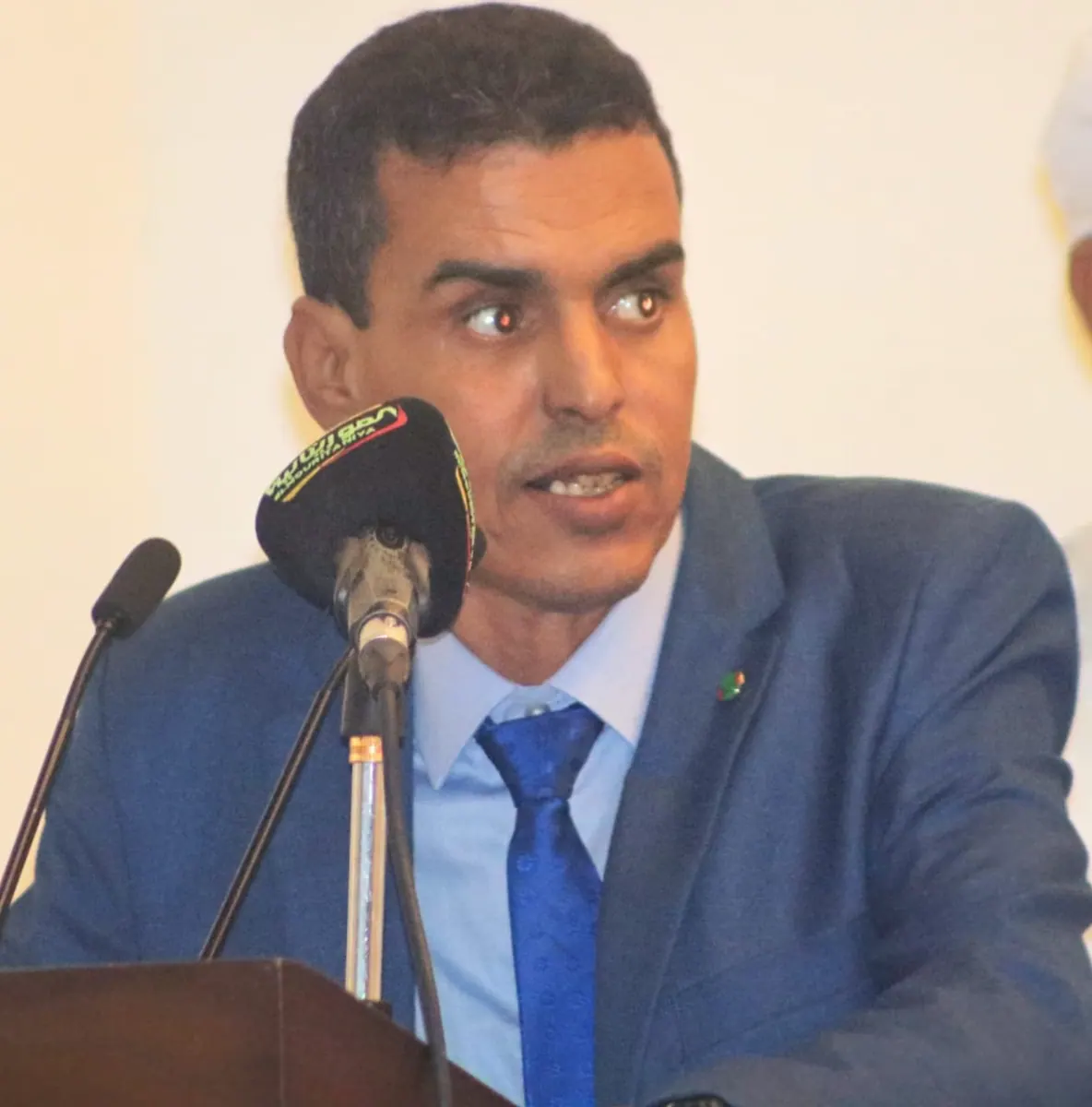
Mauritanian President Mohamed Ould Ghazouani recently revisited a longstanding question in the city of Atar: what kind of Mauritania do we want? This query was first posed by Moukhtar Ould Daddah, the nation's founding father, decades ago. At the time, Mauritania was still in its formative stages, grappling with its identity and purpose. Today, the country has undergone significant transformations, with a population that has quintupled, expanding cities, and a changed relationship between citizens and the state.
The country's development has been marked by notable achievements, but also considerable challenges. Mauritania has faced numerous setbacks, including economic, social, and security crises. Despite these hurdles, the nation has persevered, with its institutions, economy, and society evolving over time. As President Ghazouani noted, the country's progress is a testament to the cumulative efforts of successive generations of leaders, politicians, scientists, administrators, and citizens.
The question of what kind of Mauritania is desired is particularly pertinent in the context of the nation's development goals. President Ghazouani emphasized the need for a renewed dialogue on the country's future, one that is comprehensive, genuine, and inclusive. This conversation should focus on addressing the nation's pressing challenges, including education, youth empowerment, and economic development. The President's call for a national dialogue reflects a recognition that Mauritania's progress depends on its ability to adapt to changing circumstances and address the needs of its citizens.
Education is a critical area of focus for Mauritania's future development. The country needs to prioritize investment in its education system, which is essential for equipping future generations with the skills and knowledge necessary to drive growth and progress. Additionally, the nation must address the issue of youth unemployment, which is a pressing concern for many Mauritanians. By creating opportunities for young people, the government can help ensure that they feel invested in the country's future and are able to contribute to its development.
Economic development is another key area of focus for Mauritania. The country is endowed with significant natural resources, including iron, gold, fish, and gas. However, the challenge lies in harnessing these resources to drive sustainable economic growth and create opportunities for all citizens. The President's emphasis on promoting more equitable investment and addressing regional disparities is crucial in this regard. By ensuring that the benefits of economic growth are shared fairly among all Mauritanians, the government can help build a more cohesive and prosperous society.
Good governance and institutional capacity are essential for Mauritania's future progress. The country's institutions must be strengthened to ensure that they are effective, transparent, and accountable. This requires a sustained effort to build the capacity of public officials, improve administrative processes, and promote a culture of integrity and accountability. By doing so, the government can help build trust in its institutions and ensure that they are responsive to the needs of all citizens.
As Mauritania looks to the future, it must also navigate the complexities of its regional environment. The Sahel region, where Mauritania is located, is characterized by significant security, economic, and environmental challenges. The country's ability to address these challenges will depend on its capacity to work collaboratively with its neighbors and international partners. By engaging in regional dialogue and cooperation, Mauritania can help promote stability and prosperity in the Sahel region and ensure that its own development goals are achieved.
Key points
- The question of what kind of Mauritania is desired is a pressing concern for the nation's future development.
- President Ghazouani has called for a comprehensive national dialogue to address the country's challenges and opportunities.
- The nation's progress will depend on its ability to address pressing challenges, including education, youth empowerment, and economic development.