In Mauritania, a case known as the "foreign bloggers" affair has taken a significant turn with the involvement of terrorism charges. The case began in 2018 with the emergence of Facebook pages run by Mauritanian bloggers, mostly based in the United States, who criticized government officials and policies. The pages, managed by individuals such as Sidi Ould Kmache, Al-Hafiz Ould Loubad, and Diaa Al-Haq Ould Abih, gained attention for their virulent critiques and were followed by many.
The investigation into these pages revealed that they were not individual initiatives but rather part of a larger network with teams for writing, information transmission, and intermediation. Over time, the content of these pages expanded from political criticism to personal attacks on government officials, including the President and his family, and sensitive military information. These developments led to the case being transferred to the Directorate of State Security and eventually to a special investigative unit focused on terrorism.
The first arrests in the case were made in late September and targeted close associates of the bloggers, intermediaries, journalists, real estate agents, and employees of currency exchange offices. Initially, the government described the case as an effort to "dismantle a financial blackmail network" financed by unknown sources, with the aim of spreading false information, defamation, and threats. At that point, seven people had been arrested.
By October 7, the scope of the investigation had broadened, with 17 people arrested and the case reclassified as one of "financial corruption and moral depravity." The government also added charges of incitement to hatred. A significant turn in the case occurred on October 16, when the Nouakchott-West prosecutor's office announced that the case had been transferred to the Directorate of State Security, citing a section of the penal code that restricts suspects' access to lawyers in cases related to state security and terrorism.
In early November, a financial angle emerged in the investigation with the involvement of the economic crimes police, focusing on real estate transactions and eventually leading to charges of money laundering. On November 11, the Directorate of State Security submitted the preliminary investigation report to the prosecutor's office, which then assigned the case to a team specializing in terrorist crimes.
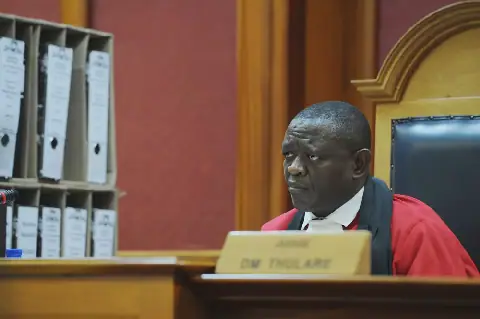
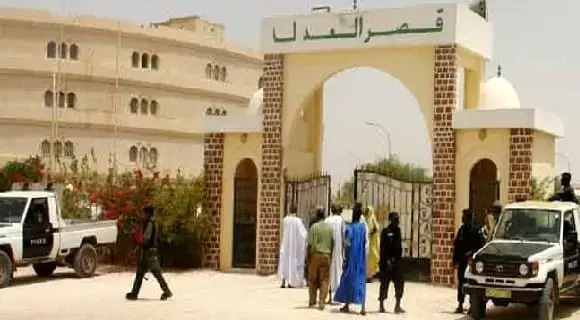
The prosecutor's office studied the report, reviewed digital evidence, and interviewed suspects. The case was subsequently referred to a specialized chamber for terrorism-related cases. According to the prosecutor, the charges include seven laws, primarily the anti-terrorism law, and are categorized into six areas: forming a criminal organization to threaten state security, calling for the overthrow of the constitutional order, and inciting hatred and discrimination.
The developments in the "foreign bloggers" case reflect a significant shift in how authorities perceive and handle online criticism and activism. With seven suspects in detention, nine under judicial supervision, and arrest warrants issued for seven others, mostly abroad, the case raises questions about the balance between national security and freedom of expression in Mauritania.
Key points
- The case involves charges of terrorism, including forming a criminal organization to threaten state security and inciting hatred and discrimination.
- The investigation revealed a network of individuals involved in managing the Facebook pages and transmitting information.
- The case has evolved from one of financial blackmail to include charges of money laundering and terrorism-related crimes.