The start of the 2026-2027 school year in Mauritania has been marked by concerns over the country's education system. A new reform has banned private schools from teaching primary classes, forcing thousands of students to transfer to public schools. The move is aimed at strengthening the public education system, but it has raised concerns among parents, teachers, and private school administrators about the capacity of public schools to accommodate the influx of new students.
The reform, which was announced by the Minister of Education on his Facebook page, is part of a broader effort to consolidate the public education system. The decree, which was issued on September 11, 2025, prohibits private schools from enrolling students in primary classes, except for sixth-grade students. Private schools that fail to comply with the new regulations risk facing sanctions, including the revocation of their operating licenses. The government has stated that the goal of the reform is to promote equality of opportunity and unify the education system.
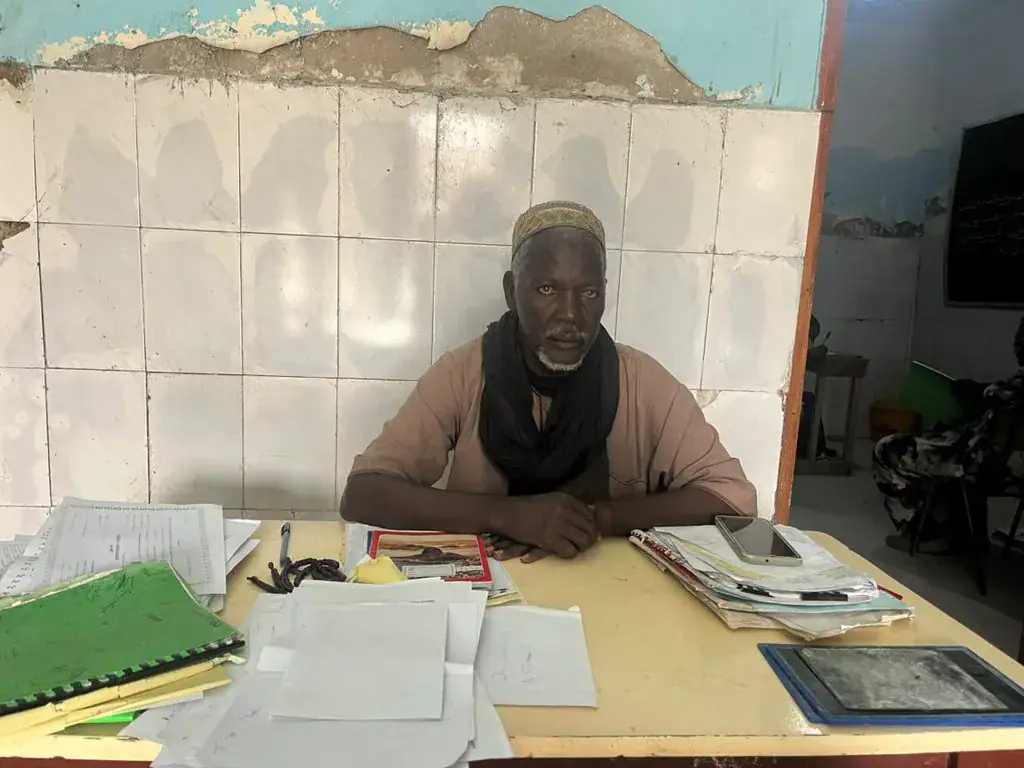
However, private school administrators and parents have expressed concerns about the impact of the reform on the education system. Souleyman Diatt, director of the El Awlama school in Nouakchott, said that the school had to lay off teachers and cancel classes due to the new regulations. The school previously had six classes, but now only has one class authorized. Diatt expressed concerns about the future of private schools and the jobs of teachers who have been laid off.
Parents are also worried about the conditions in public schools. Hawa Diagana, a mother of a student who was previously enrolled in a private school, expressed concerns about the hygiene and safety of public schools. She said that her daughter had difficulty adapting to the new school and that the public school lacked maintenance, supervision, and hygiene. Diagana also expressed concerns about the large number of students in public schools and the lack of qualified teachers.
The reform has also raised concerns about the language of instruction in public schools. Diagana said that teachers are not trained to teach scientific subjects in Arabic, which is the language of instruction in Mauritania. She expressed concerns that the transfer of students to public schools may not be successful without taking into account the linguistic and pedagogical skills needed for their success.
The government has stated that the goal of the reform is to strengthen the public education system and promote equality of opportunity. However, the implementation of the reform has raised concerns about the capacity of public schools to accommodate the influx of new students. The government will need to address these concerns and ensure that public schools have the necessary resources and infrastructure to provide quality education to all students.
The reform has sparked a national debate about the future of education in Mauritania. While some argue that the reform is necessary to strengthen the public education system, others argue that it will lead to a decline in the quality of education. The government will need to engage with stakeholders and address their concerns in order to ensure a successful implementation of the reform.
Key points
- The Mauritanian government has banned private schools from teaching primary classes as part of a broader effort to strengthen the public education system.
- The reform has raised concerns about the capacity of public schools to accommodate the influx of new students, as well as concerns about hygiene, safety, and education quality.
- The implementation of the reform will require significant resources and infrastructure to ensure that public schools can provide quality education to all students.