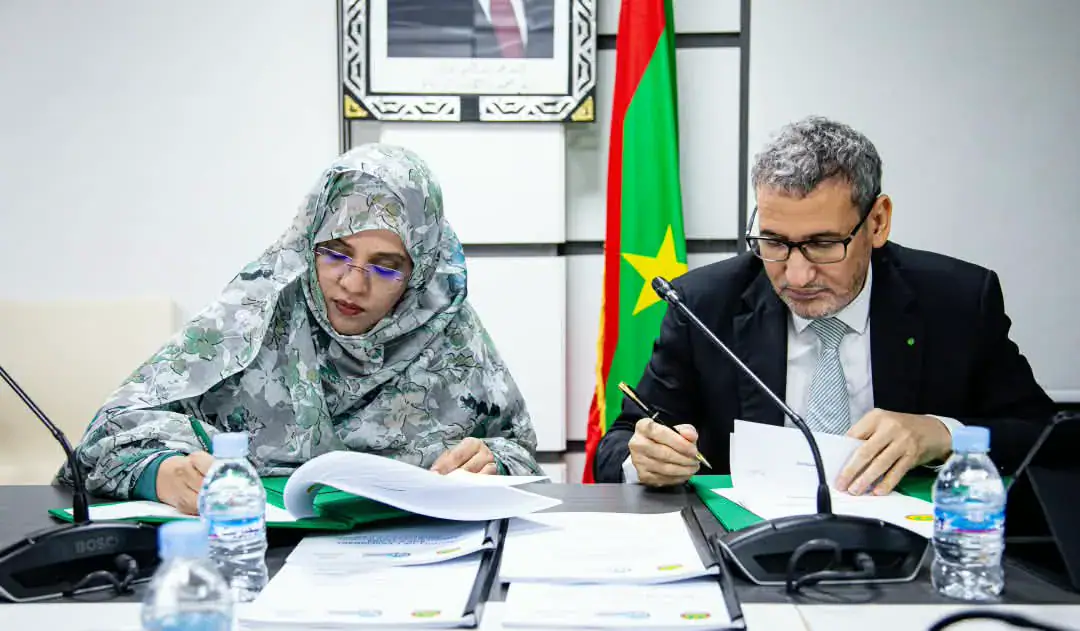
The education ministry and central bank of Mauritania have signed a partnership agreement aimed at developing educational and awareness programs in financial literacy. The agreement seeks to address the needs of students at various educational levels. According to Education Minister Huda Bent Babah, the initiative aims to integrate financial culture into national education programs. This move is expected to equip future generations with skills to make informed financial decisions.
Minister Bent Babah emphasized that the role of schools should go beyond imparting knowledge to preparing generations capable of contributing to the country's development. She highlighted the importance of enabling students to make sound financial decisions and manage resources effectively. As today's students will be tomorrow's workforce and decision-makers, the minister stressed the need for them to be well-prepared. The agreement is seen as a step towards achieving this goal.
The integration of economic culture into educational curricula is expected to boost the national economy. It will also enhance individuals' ability to cope with financial challenges and crises. According to Minister Bent Babah, the impact of this initiative will not be limited to students but will also extend to teachers. With teachers representing over 67% of the country's workforce, the initiative is expected to have a significant impact on the education sector.
Minister Bent Babah acknowledged the efforts of technical teams from both the education ministry and the central bank in preparing the agreement. She expressed her hope that the agreement will be translated into practical plans and joint programs with a tangible impact on the school environment. The minister also mentioned another joint file between the ministry and the central bank related to reviewing loan conditions and deductions for teachers and sector workers.
The agreement between the education ministry and the central bank is a significant step towards promoting financial literacy in Mauritania. By integrating financial education into school curricula, the government aims to equip students with essential skills for managing personal finances and making informed decisions. This initiative is expected to have long-term benefits for the country's economic development.
The partnership between the education ministry and the central bank reflects a collaborative effort to address the country's economic challenges. By working together, the two institutions aim to develop effective strategies for promoting financial literacy and stability. The agreement is seen as a positive step towards achieving this goal and promoting economic growth in Mauritania.
The implementation of the agreement is expected to have a positive impact on Mauritania's education sector and economy. With a focus on financial literacy, the initiative aims to empower students and teachers with essential skills for managing finances and making informed decisions. As the country continues to develop its education sector, this initiative is seen as a crucial step towards promoting economic growth and stability.
Key points
- The agreement aims to integrate financial culture into national education programs.
- The initiative is expected to equip future generations with skills to make informed financial decisions.
- The partnership between the education ministry and the central bank reflects a collaborative effort to address the country's economic challenges.