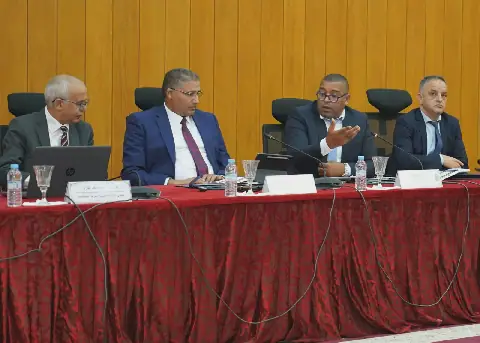
The Mauritanian government has initiated a process to prepare for the second phase of its Local Development Emergency Program in the Eastern Basin region. This program aims to address the region's development needs, which vary greatly across its vast territory. The government's approach involves a participatory method, combining the knowledge of administrative authorities, the experience of elected officials, and the input of citizens to identify priorities.
The Eastern Basin region faces significant challenges, including providing access to water and basic services, as well as connecting isolated areas. The region also has considerable agricultural, pastoral, and commercial potential. To address these challenges and capitalize on opportunities, the government has dispatched teams to various states to prepare for the second phase of the program while evaluating the results of the first phase.
The governor of the Eastern Basin region has conducted field visits to the region's provinces to diagnose needs and identify priorities based on the reality on the ground. These visits provide valuable data to guide discussions and inform decision-making. However, a more comprehensive consultation process involving elected officials, citizens, and technical services is necessary to ensure that the development vision is tailored to each area's specific needs and potential.
To ensure the effectiveness of the program, it is crucial to evaluate the achievements of the first phase, identify shortcomings, and establish clear and transparent criteria for prioritizing projects. These criteria should consider the urgency of needs, the expected impact, equitable distribution, and feasibility. Additionally, responsibilities and deadlines must be defined, and monitoring results and reasons for adopting or delaying certain proposals must be made public.
The government aims to move beyond simply collecting requests and instead convert consultations into balanced development choices that address basic needs, leverage local potential, and are subject to monitoring, evaluation, and accountability. This approach requires a well-coordinated effort from all stakeholders, including government agencies, local authorities, and citizens.
The Eastern Basin region's development is critical to addressing the country's broader socio-economic challenges. By engaging local communities and stakeholders in the decision-making process, the government can ensure that the program is responsive to the region's needs and priorities. This, in turn, can help build trust and foster a sense of ownership among local populations.
As the government prepares for the second phase of the Local Development Emergency Program, it faces the task of translating its participatory approach into tangible results. By prioritizing transparency, accountability, and inclusivity, the government can help ensure that the program has a lasting impact on the lives of people in the Eastern Basin region.
Key points
- The Mauritanian government's Local Development Emergency Program aims to address the diverse needs of the Eastern Basin region.
- A participatory approach is being used to identify priorities and develop a tailored vision for each area.
- The program's success depends on transparent criteria, clear responsibilities, and effective monitoring and evaluation.