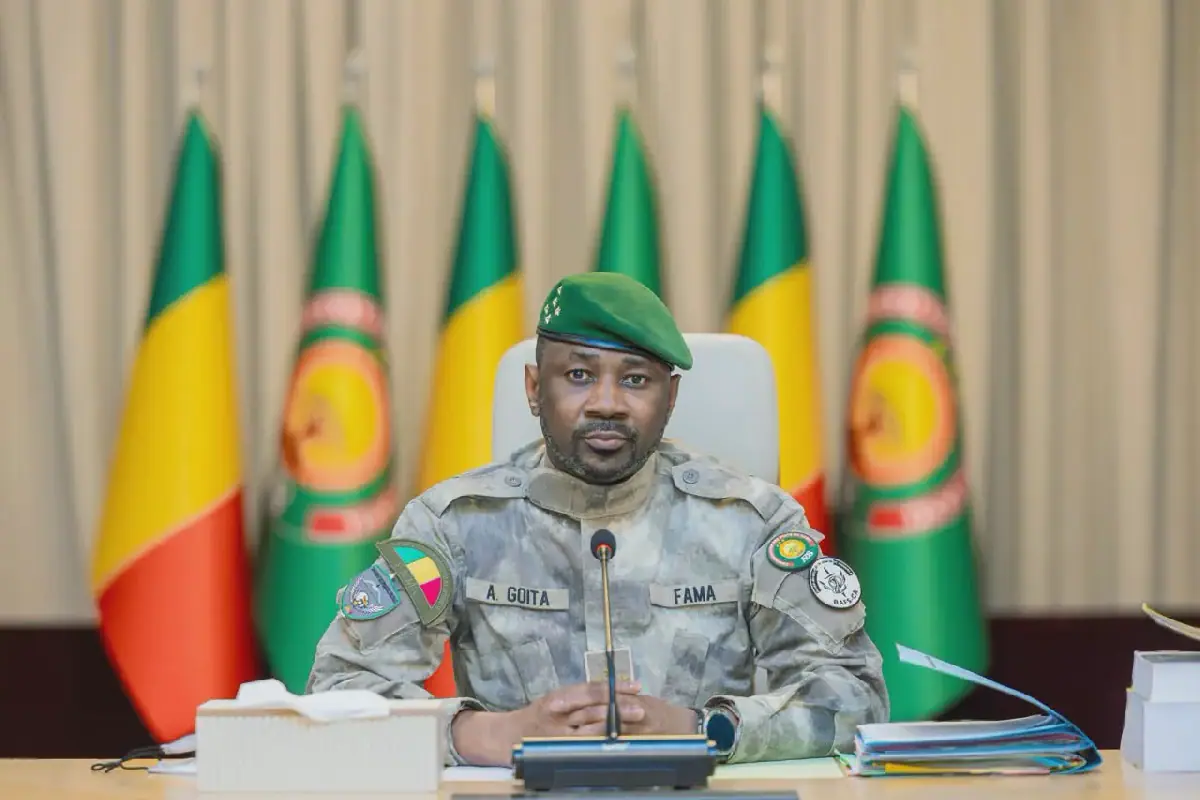
On November 6, 2026, Mauritania's Council of Ministers convened under the leadership of General Assimi GOITA, President of the Transition and Head of State. The meeting took place at the Koulouba Palace, where several key decisions were made. These decisions aimed at addressing pressing national issues, including budget allocations and border management reforms. The Council examined various agenda items, leading to the adoption of new projects and nominations.
A significant development from the meeting was the adoption of a decree for the opening of additional credits within the 2026 state budget. This move is in accordance with the Organic Law No. 2025-038, which allows for urgent budget adjustments under specific conditions. The decree authorizes the opening of 125 billion CFA francs in the rectified 2026 state budget. These funds are earmarked for critical projects, including hospital construction, other priority infrastructure projects, and new personnel expenditures.
The Council also adopted several texts related to the creation, organization, and functioning of the National Directorate of Borders. This entity is tasked with developing and coordinating the national border policy. Established in 1999, the Directorate's role is crucial in managing border-related issues. However, previous texts governing its operations have shown limitations, particularly in strategic management and coordination. The newly adopted projects aim to rectify these shortcomings.
Key among the reforms is the creation of a new decree establishing the National Commission on Borders. This Commission is designed to support the minister responsible for border issues in implementing the National Border Policy. The move reflects a broader effort to enhance border management and security. By strengthening these institutions, the government aims to improve coordination among various stakeholders and more effectively manage border challenges.
The adopted projects and decrees signal a significant shift in Mauritania's approach to both fiscal management and border governance. By addressing identified weaknesses and allocating necessary resources, the government seeks to bolster national development and security. These decisions underscore the administration's commitment to implementing reforms that can drive progress in critical sectors.
The reforms also include provisions for the personnel needed for the National Directorate of Borders over the next five years. This strategic planning aims to ensure that the Directorate has the necessary human resources to execute its missions effectively. By investing in personnel and institutional capacity, the government hopes to achieve more efficient border management and coordination.
Overall, the Council of Ministers' recent session has marked a proactive step towards addressing some of Mauritania's pressing challenges. Through these decisions, the government has demonstrated its intent to drive national development and enhance security through thoughtful policy and strategic resource allocation. The impact of these reforms will be closely watched as they begin to take effect.
Key points
- The Council of Ministers approved a decree opening 125 billion CFA francs in the 2026 budget for priority projects, including hospital construction and personnel expenditures.
Reporting sources
- Communiqué du Conseil des Ministres du vendredi 6 novembre 2026 · Agence malienne de presse et de publicité