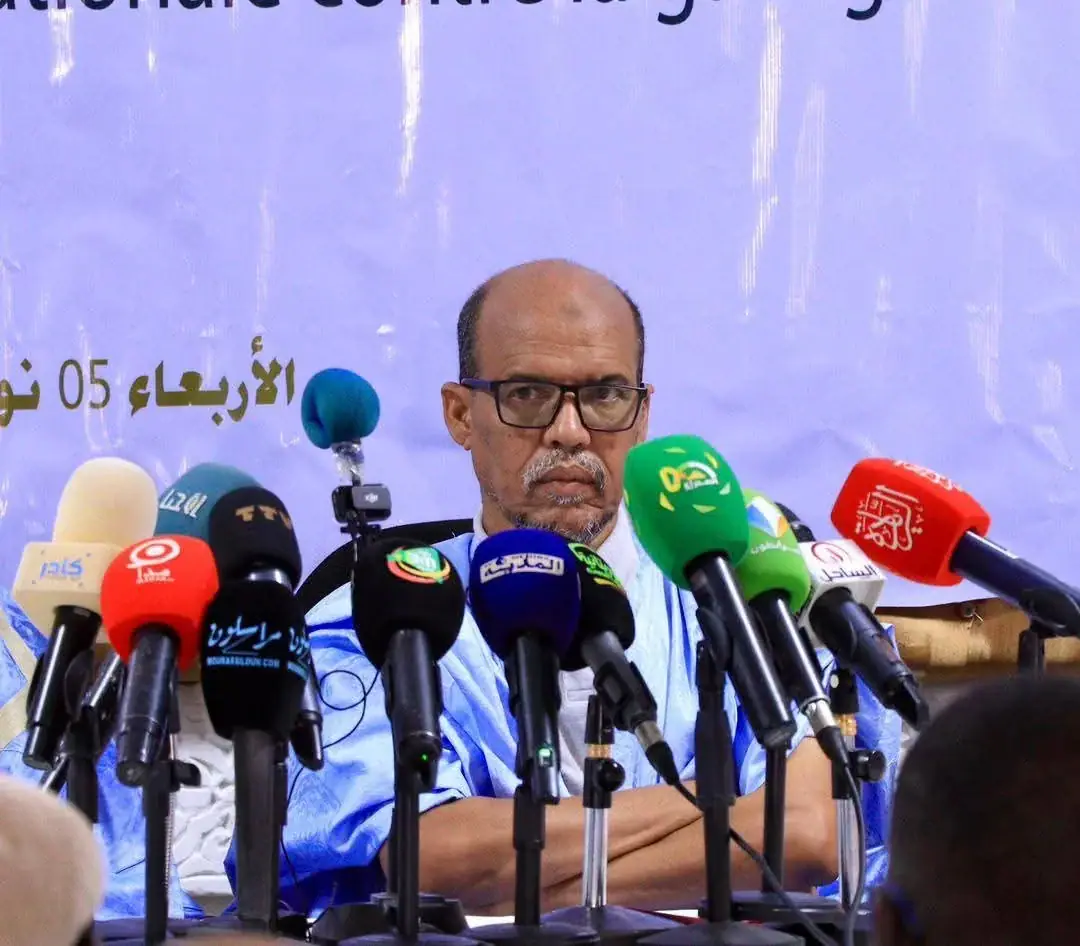
The National Coalition for Combating Corruption (NCCN) in Mauritania has released a report highlighting a concerning gap between the findings of control bodies and the subsequent judicial actions. According to the report, thirty public officials cited in the Court of Auditors' report were involved in judicial proceedings that ultimately resulted in no convictions. This outcome raises questions about the effectiveness of anti-corruption efforts in the country.
The NCCN report reveals that the public prosecutor's office dropped charges against 24 officials, while the remaining six were initially detained but later cleared by the justice system. The coalition is questioning the reasons behind the dismissal of these cases without any convictions, which casts doubt on the rigor of audit reports or the firmness of subsequent judicial procedures.
A similar situation occurred in the case of a fire at two power plants in Nouakchott, where no individuals mentioned in the investigation report were brought to justice. The NCCN also noted comparable issues with certain works by the General Inspection of the State (IGE). These instances suggest a need for a thorough review of how control reports are handled to clarify the causes of discrepancies between inspectors' findings and judicial outcomes.
The NCCN report praises the government for enacting three key laws related to corruption prevention, asset disclosure, and the establishment of the National Anti-Corruption Authority. The publication of control reports and the operationalization of the Authority's bodies were also welcomed. However, the coalition expressed concern over persistent structural weaknesses, including a lack of clear articulation between integrity and merit in administrative appointments and promotions.
The coalition noted that suspicions of financial mismanagement have not always prevented the maintenance or promotion of certain responsible individuals. This situation risks undermining legal and institutional reforms, reducing them to mere formal measures without real impact on public fund protection and accountability. The NCCN warned that perpetuating these dysfunctions could have severe consequences for the country's development.
The report highlighted the coalition's achievements during its first year, including the celebration of the International Anti-Corruption Day, the signing of an anti-corruption charter by 14 political parties, and the organization of colloquiums involving political actors and civil society. The NCCN reaffirmed its commitment to supporting rigorous government initiatives in this area, emphasizing that the success of development programs depends on effective anti-corruption efforts and strengthened control mechanisms.
The NCCN's findings underscore the need for Mauritania to address the discrepancies between control reports and judicial actions to ensure accountability and protect public funds. The coalition's recommendations aim to strengthen the anti-corruption framework and promote a culture of integrity and transparency in the country. By doing so, Mauritania can make progress in its fight against corruption and ensure that its development programs have a meaningful impact.
Key points
- Discrepancy between control reports and judicial actions hampers anti-corruption efforts in Mauritania.