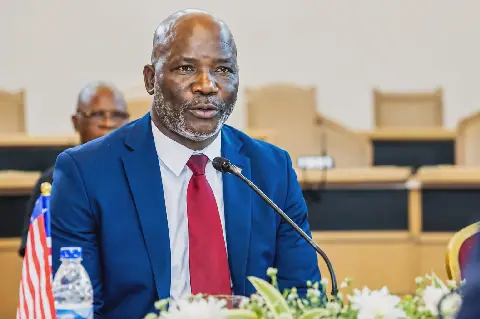
As the world prepares for the 31st Conference of Parties (COP31) in Antalya, Turkey, Mauritania is intensifying its national preparations. The country's participation in international climate talks is crucial, given its vulnerability to climate-related risks such as drought, desertification, and rising temperatures. The Mauritanian government has initiated a national preparatory process, led by the Minister of Environment and Sustainable Development, to coordinate sectoral priorities and interests.
Mauritania's national interests align with several key areas, including climate finance, desertification and drought mitigation, coastal protection, and sustainable management of natural resources. The country's priorities also encompass renewable energy development, climate change adaptation, and enhancing climate governance and transparency. By converting these priorities into clear negotiating positions, Mauritania aims to strengthen its presence in international climate discussions.
The national preparatory process involves various government ministries and stakeholders, ensuring a coordinated approach to climate action. Mauritania's engagement in international climate negotiations is part of a broader effort to build partnerships, share experiences, and contribute to the development of global climate responses. The country's participation in COP31 offers an opportunity to showcase its national priorities and interests on the international stage.
Mauritania is actively engaging in various international forums, including Arab, African, and global platforms, to promote its national interests and build alliances. The country's negotiating positions are informed by its national priorities, as well as its commitments under the Paris Agreement. Mauritania's ability to navigate complex international climate negotiations will be crucial in securing support for its national priorities.
Effective climate negotiation requires a deep understanding of the scientific and technical aspects of climate change. The Intergovernmental Panel on Climate Change (IPCC) plays a critical role in providing scientific knowledge, while the Subsidiary Body for Scientific and Technological Advice (SBSTA) links this knowledge to the needs of climate negotiators. Mauritania's engagement with these scientific and technical processes will inform its negotiating positions and enhance its ability to advocate for its national interests.
The success of Mauritania's climate action depends on the effective implementation of its national priorities and international commitments. The country's Nationally Determined Contribution (NDC) and biennial transparency reports play a crucial role in tracking progress and reviewing the effectiveness of climate actions. Mauritania's integration of its national priorities with international climate frameworks will be essential in mobilizing climate finance and support.
Climate finance remains a critical issue for Mauritania and other developing countries. The country's ability to access climate finance will depend on its capacity to develop and implement effective climate projects and programs. Mauritania is working to enhance its access to climate finance, while also advocating for greater stability and predictability in international climate funding.
Key points
- Mauritania is preparing for COP31 by coordinating national priorities and interests.
- The country's participation in international climate talks focuses on national interests, climate finance, and sustainable development.
- Effective climate negotiation requires a deep understanding of the scientific and technical aspects of climate change.