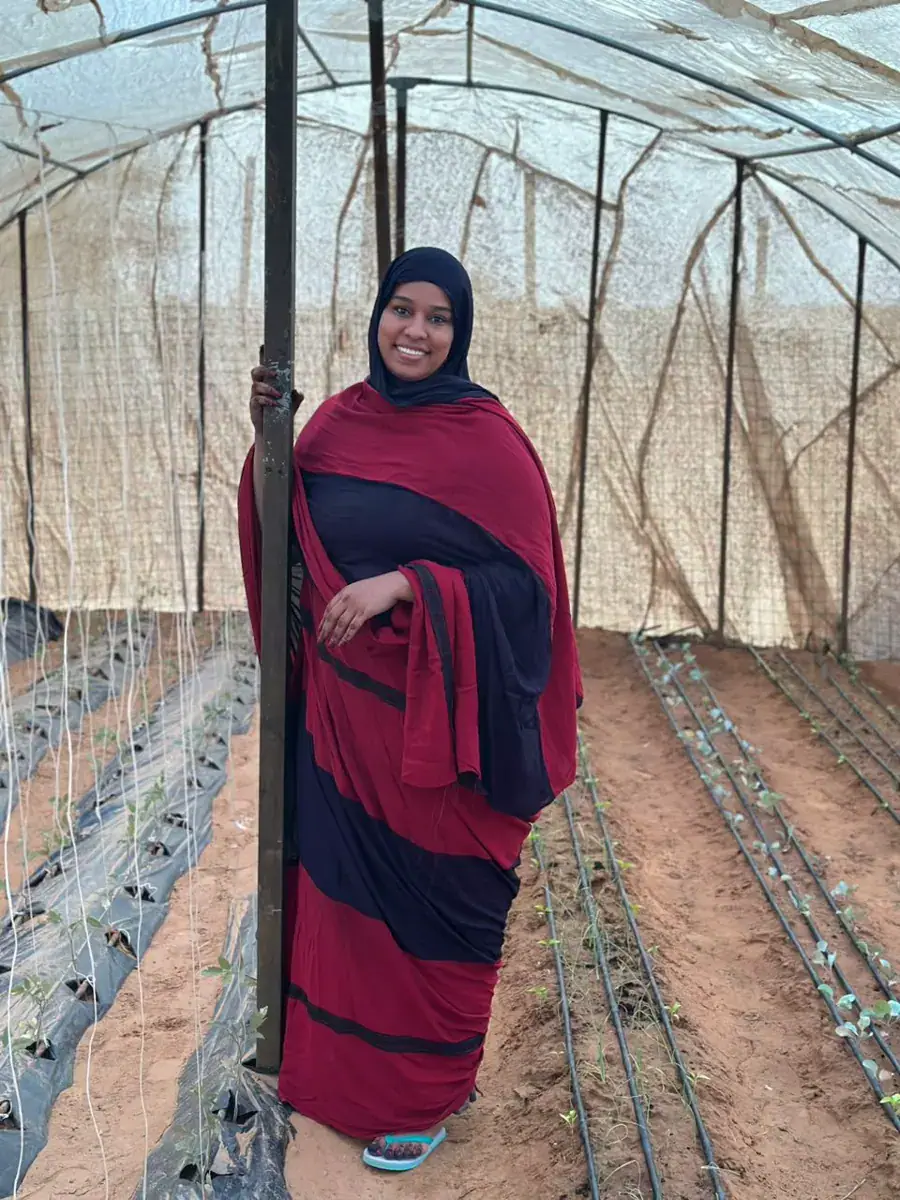
Mauritania is making significant strides in its agricultural sector with the successful cultivation of rice outside its traditional area. The initiative, led by businesswoman and agricultural pioneer, Bordis Mohamed, in collaboration with the local municipality of Tamshakht, marks a new chapter in the country's agricultural ambitions. This project aims to make Tamshakht a hub for innovative agricultural practices.
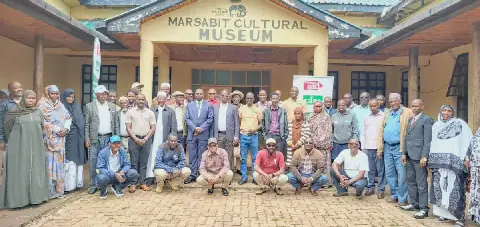
The project was met with enthusiasm and support from local authorities, including the mayor of Tamshakht, Moukhtar Ould Abdallah. The mayor's involvement reflects the municipality's vision to go beyond current limitations and open up new opportunities for its residents. By supporting this initiative, the local government demonstrates its commitment to development and progress.
The decision to choose Tamshakht for this pioneering rice cultivation project was not coincidental. It was a deliberate choice to challenge conventional norms and push the boundaries of what is possible in Mauritania's agricultural landscape. Bordis Mohamed's determination to venture into uncharted territory and explore new possibilities in rice cultivation outside the traditional Delta region is a testament to her commitment to innovation.
The journey to success was not without its challenges. The team faced numerous obstacles, from logistical hurdles to environmental concerns. However, through perseverance, hard work, and a willingness to learn, they were able to overcome these challenges and achieve a significant milestone. This experience underscores the importance of resilience and adaptability in the face of adversity.
The success of this project is not solely attributed to the land or the climatic conditions but also to the people involved. The support and cooperation from the residents of Tamshakht played a crucial role in making this initiative a reality. Their involvement and enthusiasm demonstrate the power of community engagement and local ownership in driving development.
This achievement is particularly significant in the context of Mauritania's national identity and independence. As the country celebrates its independence, this project serves as a symbol of self-reliance and the ability to harness local potential for national development. It highlights the importance of investing in human capital and local initiatives to drive progress.
The project's success has implications for Mauritania's food security and economic development. By exploring new agricultural practices and expanding the country's agricultural capabilities, Mauritania can reduce its reliance on imports and create new opportunities for economic growth. This initiative has the potential to inspire further innovation and investment in the agricultural sector.
Key points
- The project marks a significant milestone in Mauritania's agricultural development, demonstrating the country's potential for innovation and self-reliance.
Reporting sources
- طموح وطني في المجال الزراعي · alhaqaiq