The Mauritanian government has completed the first phase of its emergency development program for Nouakchott, focusing on education, urban infrastructure, water, and environment. According to an official report, the program achieved significant progress, with projects in education, water supply, and environmental management completed. The construction of 1,335 classrooms and 18 health centers was completed, with work ongoing on the remaining 10 health centers.
The first phase, which lasted 16 months and cost 69 billion ouguiyas, saw the completion of urban road projects and environmental initiatives. However, progress in other sectors was varied, with the drainage of rainwater projects at 70% completion and electricity and public lighting projects at 92.9%. The youth and sports sector saw the completion of most projects, except for the Olympic swimming pool, which is 60% complete.
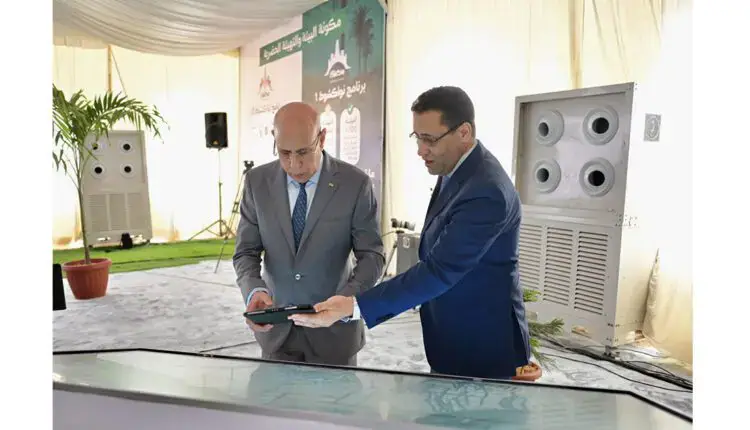
President Mohamed Ould Cheikh El Ghazouani launched the second phase of the program, which has a budget of 115 billion ouguiyas and a 16-month implementation period. The new phase aims to complete the remaining projects from the first phase and introduce new initiatives. These include the construction of five bridges at major intersections and the expansion of water, sanitation, and public lighting networks.
The second phase of the program also focuses on developing specialized healthcare services and emergency care, as well as increasing school infrastructure through the construction of student dormitories, nurseries, and centers for people with disabilities. Additionally, the program includes projects to expand sports and youth facilities, improving urban planning as part of a broader plan to modernize Nouakchott's collective infrastructure and equipment.
The development program aims to address the needs of Nouakchott's growing population and improve the quality of life for its residents. By investing in education, healthcare, and infrastructure, the government hopes to drive economic growth and social progress in the capital city. The program's success will depend on effective implementation and coordination among various stakeholders.
The first phase of the program demonstrated significant progress, but also highlighted challenges and areas for improvement. The second phase will need to address these challenges and build on the successes of the first phase. With a larger budget and a renewed focus on development, the program has the potential to transform Nouakchott and improve the lives of its residents.
Key projects in the second phase will be closely monitored, including the construction of five bridges, expansion of essential services, and development of healthcare and education infrastructure. The program's impact will be evaluated based on its progress and outcomes, providing valuable lessons for future development initiatives in Mauritania.
Key points
- The second phase of Nouakchott's development program has a budget of 115 billion ouguiyas and a 16-month implementation period.
- The program focuses on completing remaining projects from the first phase and introducing new initiatives to drive economic growth and social progress.
- The development program aims to improve the quality of life for Nouakchott's residents by investing in education, healthcare, and infrastructure.