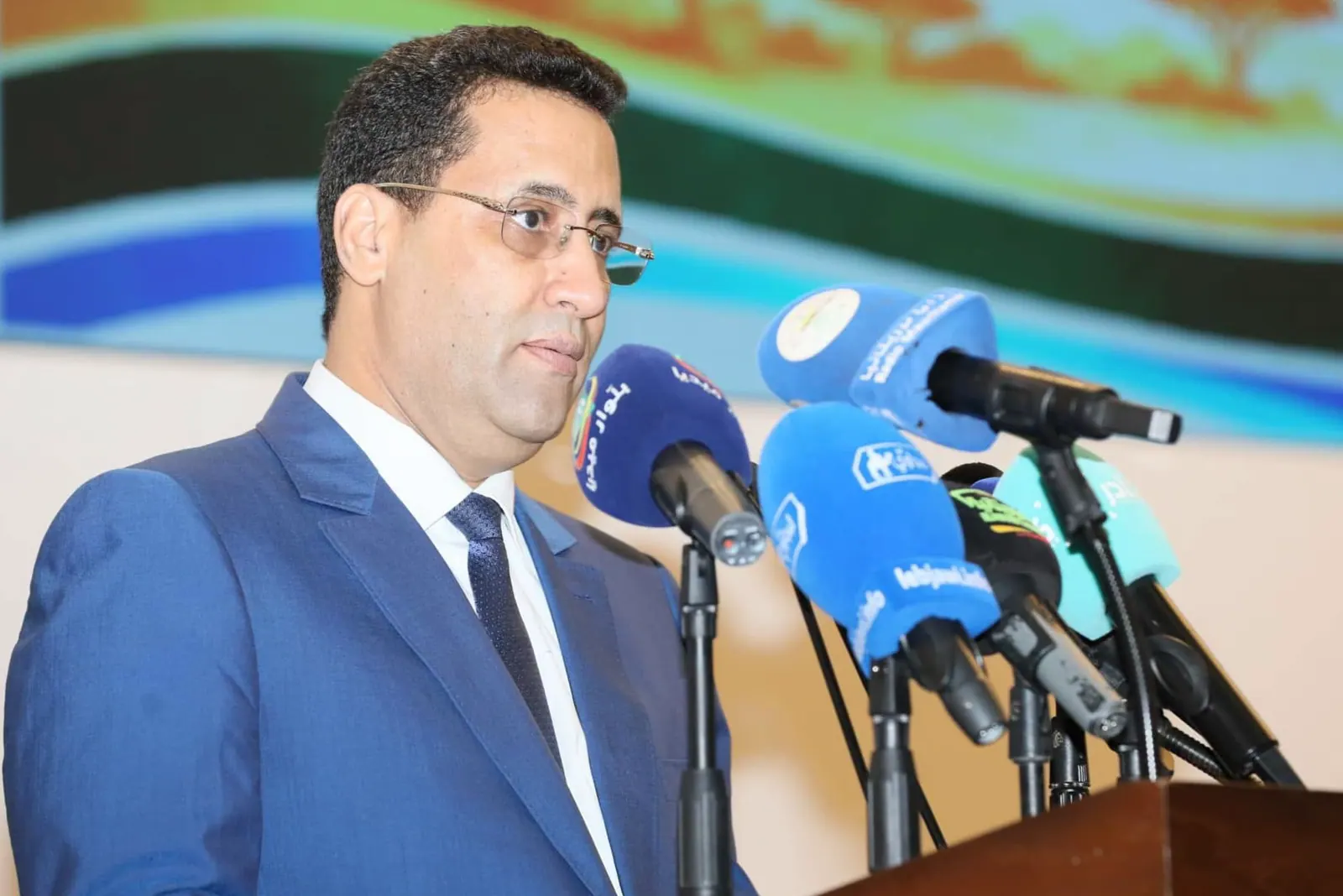
The High-Level Forum on Climate, Peace, and Security in the Sahel and Gulf of Guinea regions was officially opened in Nouakchott, Mauritania, on October 6, 2026. The forum, organized in collaboration with the United Nations Development Programme, aims to address the interconnected challenges of climate change, peace, and security in the region. Mauritanian Prime Minister, Mochtar Ould Ajay, represented President Mohamed Ould Cheikh El Ghazouani, delivering a keynote address that emphasized the urgent need for collective action to address these pressing issues.
In his opening speech, Prime Minister Ould Ajay highlighted the devastating impact of climate change on the region's economic and social stability. He stressed that extreme weather events, such as droughts, floods, and desertification, pose a direct threat to food security and population stability. The Prime Minister underscored the need to integrate climate action into development and human security policies, emphasizing that climate change is a major factor in the region's fragility.
The Mauritanian government has taken proactive steps to address these challenges, including developing its third Nationally Determined Contribution (CDN 3.0) and implementing projects to restore degraded lands, protect coastlines, and promote green economy. The Prime Minister called for enhanced international cooperation, particularly in financing, technology transfer, and capacity building, to support Africa's efforts to develop resilient infrastructure.
The forum brings together high-level officials, diplomats, and representatives from international and regional organizations to discuss the complex relationships between climate change, peace, and security. The event is seen as a crucial step towards developing effective strategies to mitigate the impacts of climate change and promote sustainable development in the Sahel and Gulf of Guinea regions.
The Sahel and Gulf of Guinea regions are particularly vulnerable to climate change, despite accounting for a small fraction of global greenhouse gas emissions. The Prime Minister emphasized the need for solidarity and cooperation among nations to address these shared challenges. He also highlighted the importance of developing early warning systems, promoting sustainable resource management, and mobilizing investments to support climate-resilient development.
The forum's outcomes are expected to inform global climate discussions, particularly in the lead-up to the 31st Conference of the Parties (COP31) in Antalya, Turkey. The Prime Minister urged participants to work towards concrete recommendations that can enhance cooperation, promote climate-resilient development, and support the most vulnerable countries in addressing the challenges posed by climate change.
The high-level forum is expected to conclude with a set of recommendations aimed at promoting climate-resilient development, enhancing regional cooperation, and supporting the most vulnerable countries in addressing the challenges posed by climate change. The event has brought together over participants, including ministers, ambassadors, and representatives from international and regional organizations, to engage in discussions and develop solutions to these pressing global challenges.
Key points
- The forum aims to address the interconnected challenges of climate change, peace, and security in the Sahel and Gulf of Guinea regions.