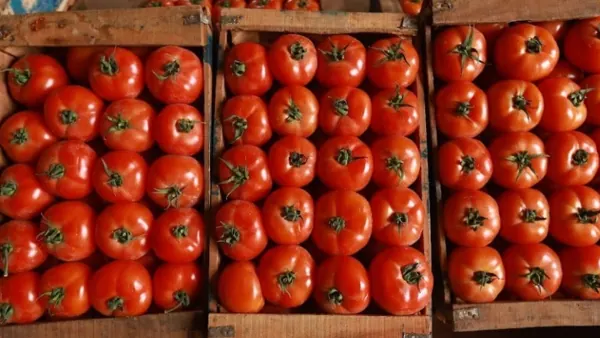
Mauritania is experiencing a severe shortage of tomatoes, leading to a significant price increase. The price of one kilogram of tomatoes has reached 3500 old ouguiyas, equivalent to approximately 85.75 Moroccan dirhams. This crisis began to unfold two days ago and has now spread to various markets across the country. The scarcity of tomatoes has made it challenging for traders to meet consumer demand.
According to local media reports, the current situation is attributed to Moroccan traders halting tomato exports to African markets. The exact reasons behind this halt and its duration remain unclear. The disruption in the supply chain has had a direct impact on the availability and prices of tomatoes in Mauritania. The country's reliance on imports to meet its consumer needs has exacerbated the issue.
The tomato crisis highlights the intricate relationship between the stability of food prices and the regularity of supply chains. The halt in Moroccan exports has exposed the vulnerability of Mauritania's markets to sudden disruptions in the supply of essential goods. This situation has significant implications for the purchasing power of consumers and the activities of local traders.
The impact of the tomato shortage is being felt across various markets in Mauritania. The scarcity of tomatoes has led to a substantial increase in prices, making it difficult for consumers to afford this staple item. The crisis has also affected traders, who are struggling to secure a steady supply of tomatoes to meet consumer demand.
The halt in Moroccan tomato exports has raised concerns about the reliability of external suppliers. Mauritania's dependence on imports to meet its food needs has made it vulnerable to disruptions in the global supply chain. The country's authorities may need to explore alternative sources or strategies to mitigate the impact of such disruptions in the future.
The tomato crisis in Mauritania serves as a reminder of the importance of diversifying food sources and strengthening domestic production. The country's reliance on imports has made it susceptible to external shocks, such as the halt in Moroccan exports. Developing local agriculture and improving food security could help reduce Mauritania's vulnerability to such crises.
As the situation continues to unfold, consumers and traders in Mauritania are hoping for a swift resolution to the tomato shortage. The authorities are likely to face pressure to address the crisis and find a solution to the supply chain disruption. The incident has highlighted the need for contingency planning and cooperation between countries to ensure the stability of food supplies.
Key points
- The halt in Moroccan tomato exports has led to a significant price increase in Mauritania.
- The crisis highlights the importance of a stable supply chain for food prices.
- The incident has exposed Mauritania's vulnerability to external disruptions in food supplies.