The recent decision by the UN Security Council not to renew the mandate of the United Nations Mission for the Referendum in Western Sahara (MINURSO) has significant implications for Mauritania. The mission, which was established to oversee a referendum in the disputed territory, has been a key player in maintaining stability in the region. Its withdrawal leaves a power vacuum that could have far-reaching consequences for Mauritania's national security and its ability to maintain a delicate neutrality in the conflict.
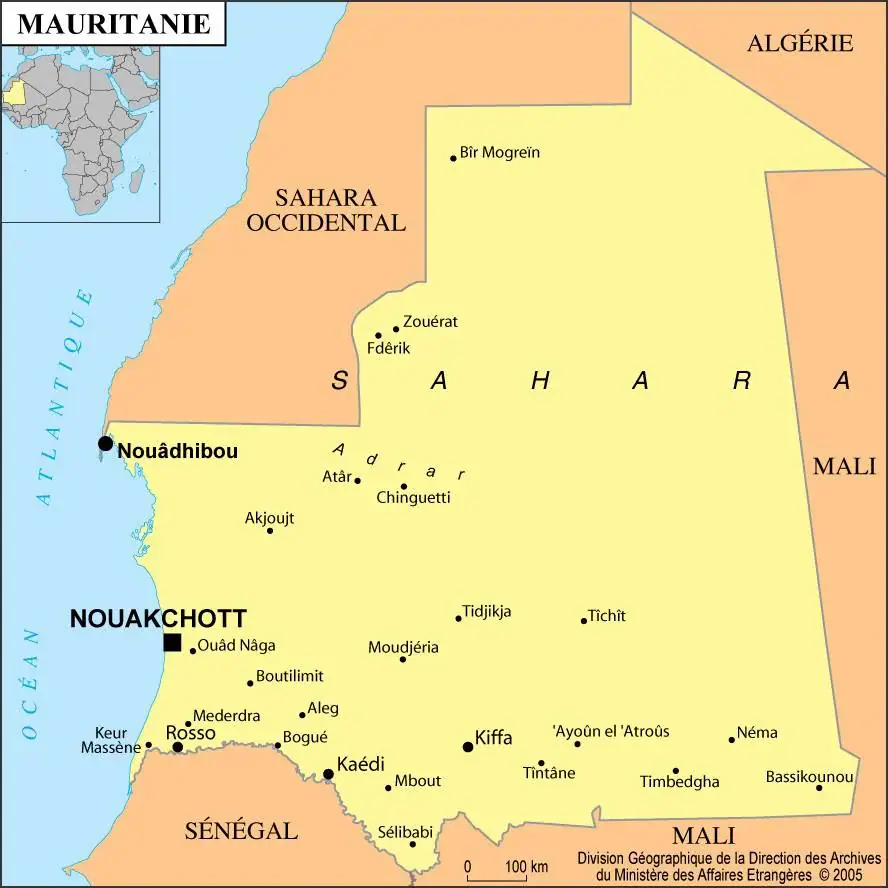
The end of MINURSO's mandate comes at a critical time, with the conflict between Morocco and the Polisario Front escalating since November 2020. The mission played a crucial role in monitoring and preventing incidents, and its absence could lead to an increase in tensions and violence. Mauritania's northern regions, which are already subject to close surveillance due to their vast desert landscape and porous borders, could become a hotspot for militant activity, arms trafficking, and other security threats.
Experts warn that the situation is more nuanced than a simple link between the Western Sahara conflict and terrorism. However, the risk of unmonitored spaces being exploited by existing networks in the Sahel-Saharan region is a pressing concern. The circulation of arms, connections between smuggling networks, and movements of unidentified armed individuals are all factors that require close monitoring.
The potential humanitarian consequences of the conflict's escalation are also a major concern for Mauritania. A renewed outbreak of hostilities could lead to population displacement, placing additional strain on the country's resources and infrastructure. The Mauritanian government must prepare for a range of scenarios, including the potential for increased migration and humanitarian needs.
Analysts have identified four possible trajectories for the conflict, each with significant implications for Mauritania. The most likely scenario is one of continued low-intensity conflict, with intermittent clashes and increased uncertainty in the northern regions. However, there is also a risk of military escalation and regional destabilization, which could have severe consequences for Mauritania's security and stability.
To mitigate these risks, Mauritania must adopt a proactive approach, combining its traditional neutrality with active diplomacy, security cooperation, and humanitarian preparedness. The government should prioritize maintaining open channels of dialogue with all parties involved, while also strengthening its security and intelligence capabilities.
The way forward for Mauritania will require careful planning, coordination, and cooperation with international partners. By anticipating potential risks and taking steps to mitigate them, the country can reduce the likelihood of security threats and ensure that it is better equipped to respond to any challenges that may arise.
Key points
- The withdrawal of MINURSO has significant implications for Mauritania's national security and diplomatic landscape.
- The country must adopt a proactive approach to mitigate the risks associated with the conflict's escalation.
- Mauritania's traditional neutrality must be combined with active diplomacy, security cooperation, and humanitarian preparedness.
Reporting sources
- Frontière nord : la Mauritanie après la MINURSO · Le Quotidien de Nouakchott