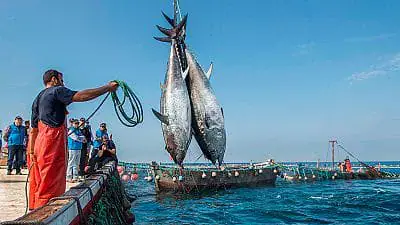
The protocol allowing European Union fishing vessels to operate in Mauritanian waters expired on November 14, 2024, without a new agreement in place. This development marks the first time since 1987 that an agreement regulating European fleet access to Mauritanian fishery resources has lapsed. As a result, European vessels have begun leaving Mauritanian waters, potentially causing significant economic losses and impacting hundreds of jobs linked to the fishing industry in beneficiary European countries.
The expired protocol, signed in 2021, permitted the European fleet to catch up to 280,000 tons of various fish species annually, including small pelagic fish, tuna, crustaceans, and cephalopods. The agreement allocated specific quotas for different types of fishing activities and vessels. In return, the European Union paid an annual financial contribution of €57.5 million, with an additional €16.5 million dedicated to supporting the Mauritanian fishing sector.
Negotiations for a new protocol began six months prior to the expiration but stalled due to disagreements over financial compensation and fishing quotas. Mauritania sought increased financial benefits, while the European Commission offered €60.8 million annually, which was deemed insufficient. A significant point of contention was the proposed reduction in the quota for small pelagic fish from 225,000 tons to 93,000 tons, which several EU member states, including Latvia, opposed.
Spain appears to be the most affected by the agreement's expiration, with nearly 30 vessels out of 60 European vessels operating in Mauritanian waters. These include 18 crustacean-fishing vessels and seven tuna-fishing vessels. Spanish fishing industry associations estimate losses of around €50 million, while the Spanish government notes that the sector provides approximately 500 direct and indirect jobs in the region.
The Mauritanian government has not publicly commented on the expiration of the protocol but had previously indicated that it would not include the expected €61 million in its 2027 budget. The authorities have kept negotiations with the EU private, with the last official statement emphasizing the need for balanced results that consider both parties' interests.
As European vessels depart from Mauritanian waters, affected countries are exploring alternative fishing locations. Spain has identified potential areas in Portugal and Guinea-Bissau for its displaced fleet. However, this shift may have broader implications for the sustainability of global fishing activities.
Despite the current impasse, negotiations between Mauritania and the EU have not been terminated. Spain views Mauritania as a strategic partner for Europe, both economically and in terms of security, and is keen on resuming talks to secure a new agreement that would allow its vessels to return to Mauritanian waters.
Key points
- The expiration of the fishing agreement may result in significant economic losses for European countries, particularly Spain.
- Disagreements over financial compensation and fishing quotas were key factors in the failure to renew the protocol.
- The long-term sustainability of European fishing activities and their impact on global fishery resources remain a concern.