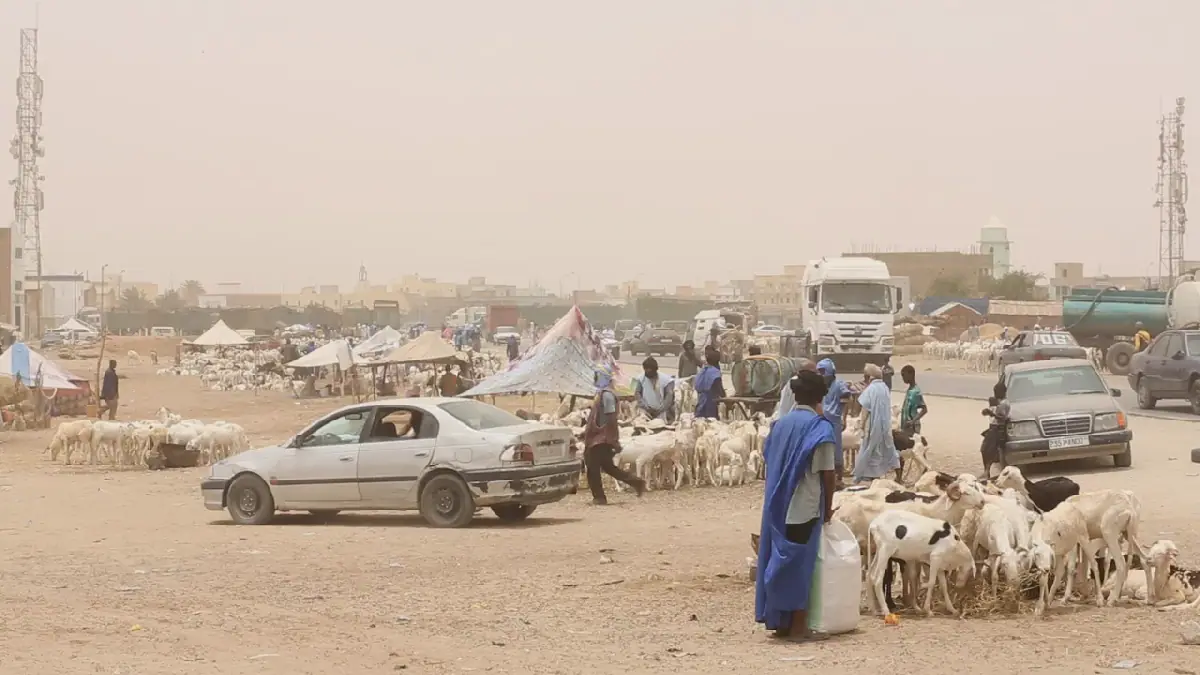
The Mauritanian government has initiated a series of preventive measures to protect the country's livestock and secure pastureland in response to concerns over reduced rainfall during the 2026 rainy season. A recent training session focused on protecting fodder crops was held at the Lekat bird control center in the Trarza wilaya, organized by the Ministry of Agriculture and Food Sovereignty with support from the World Bank's Regional Project for Pastoralism Support in the Sahel (PRAPS 2). The session brought together 40 agricultural technicians and representatives from farmers' organizations.
The training aimed to enhance phytosanitary surveillance and integrated pest management, particularly against rodents, in sorghum, cowpea, and bersim fodder crops, while reducing excessive pesticide use. This effort is crucial as the livestock sector accounts for around 10% of Mauritania's GDP and approximately 68% of the rural economy, with an estimated 30 million heads of livestock as of 2024. The sector faces challenges, including pockets of rainfall deficits ranging from 100 to 200 mm in several agro-pastoral areas.
The National Meteorological Office reported encouraging general indicators for the rainy season in September, but concerns persist. The Permanent Inter-State Committee for Drought Control in the Sahel (CILSS) also raised alarms in late October about a "preoccupying" campaign on food and fodder fronts. In response, Prime Minister Mokhtar Ould Djay chaired a meeting of the inter-ministerial committee overseeing the pastoral situation on November 13, following instructions from President Mohamed Ould Cheikh El Ghazouani.
The government's initiatives align with commitments outlined in the general policy statement of November 7, which include stabilizing livestock feed prices, acquiring stocks for sale at cost price if needed, launching a large-scale well-drilling program in deficit areas, integrating meat into the price cap mechanism, and establishing a risk-sharing mechanism to facilitate access to bank financing for breeders. These measures aim to mitigate the impact of reduced rainfall on the livestock sector.
On the ground, the Ministry of Livestock launched the 2026-2027 national vaccination campaign on November 12 in Bouhdida, mobilizing 66 veterinary teams to immunize 10 million sheep and goats against small ruminant plague and 3.5 million cattle against contagious bovine pleuropneumonia. This effort is critical for protecting the national herd. Meanwhile, PRAPS organized workshops from November 15 to 18 to revitalize regional committees for monitoring and securing transboundary transhumance in coordination with Senegalese and Malian border authorities.
The preventive measures are part of a broader strategy to address the challenges facing the livestock sector. The initiatives have been welcomed by stakeholders, who recognize the importance of proactive measures in mitigating the effects of reduced rainfall. However, details of the emergency plan, including the estimated national fodder deficit, the volume of livestock feed to be acquired, and the well-drilling schedule, remain awaited.
The Mauritanian government's proactive approach aims to safeguard the country's livestock and ensure the long-term sustainability of the sector. The measures being implemented will help to reduce the risks associated with reduced rainfall and promote a more resilient livestock industry. Key initiatives include vaccination campaigns, well-drilling programs, and support for breeders.
Key points
- The Mauritanian government has launched a series of preventive measures to protect the country's livestock and secure pastureland amid concerns over reduced rainfall during the 2026 rainy season.
- The initiatives aim to mitigate the impact of reduced rainfall on the livestock sector, which accounts for around 10% of Mauritania's GDP and approximately 68% of the rural economy.
- The measures being implemented include vaccination campaigns, well-drilling programs, and support for breeders to help reduce the risks associated with reduced rainfall and promote a more resilient livestock industry.
Reporting sources
- La Mauritanie déploie un plan préventif pour protéger le cheptel et sécuriser les pâturages · Le Quotidien de Nouakchott