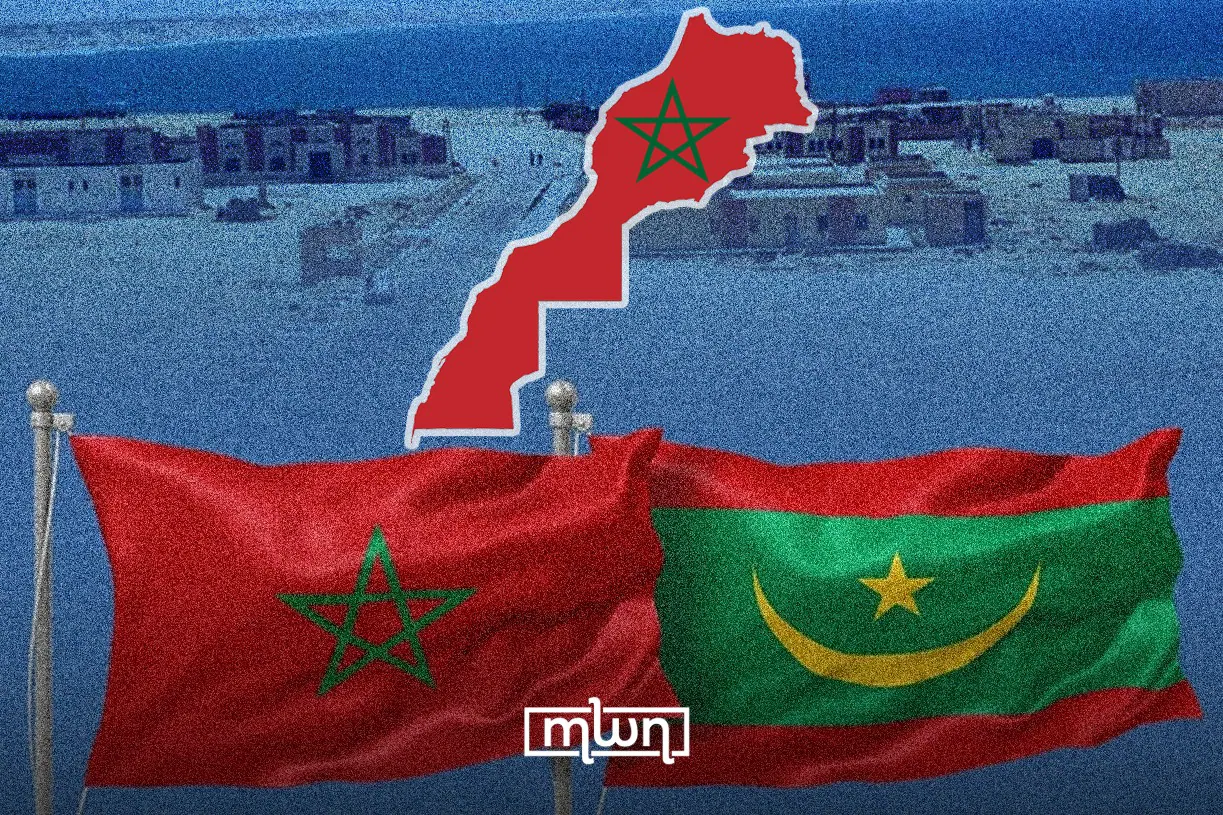
Mauritanian Minister of Culture, Arts, Communication and Relations with Parliament Mohamed Ould Babana has addressed allegations that his country is seeking Morocco's Lagouira region. These claims, promoted by media outlets affiliated with Algeria's regime and separatist groups, have been denied by Ould Babana. He emphasized that Mauritania maintains strong relations with its neighbors, particularly Morocco, and reiterated his country's commitment to a peaceful solution to the Western Sahara dispute under UN auspices.
The allegations against Mauritania surfaced amid a significant development in support of Morocco's Autonomy Plan as the basis for negotiations over Western Sahara. Ould Babana warned against attributing demands to Mauritania that it had not expressed, stressing that his country has not made any territorial claims regarding Lagouira. The minister's remarks aim to clarify Mauritania's stance on the Western Sahara issue, which has been a point of contention for years.
The Western Sahara dispute remains a sensitive topic, with the international community set to vote on renewing the mandate of MINURSO, the UN peacekeeping operation in Western Sahara, by the end of the month. This vote coincides with the adoption of a UN Security Council resolution on Western Sahara. In October 2025, the UNSC recognized Morocco's Autonomy Plan as the only basis for negotiations to end the dispute, a development that was met with frustration from the Polisario separatist group.
Algeria's regime, which hosts, finances, and supports Polisario, has been obstructing the UN-led political process. Algiers claims that a solution should be between Morocco and Polisario, a separatist group with a history of oppression. Algeria also continues to back outdated narratives, including "self-determination" through a "referendum," a proposal that has been largely discredited.
Over 130 countries support Morocco's Autonomy Plan as a feasible framework to end the regional dispute. These countries urge all parties to engage in the political process to find a mutually agreed-upon solution. Morocco's Permanent Representative to the UN, Omar Hilale, recently highlighted the significance of UNSC Resolution 2797, which enshrines the Moroccan autonomy initiative as the only basis to resolve the regional dispute.
Hilale recalled that the resolution marked a significant turning point in addressing the Western Sahara dispute, with optimism emerging from the Washington and Madrid negotiations. He emphasized that a lasting solution to the 50-year-old regional dispute over Moroccan Sahara is within reach. Hilale also reminded Algeria that the decolonization of Morocco's southern provinces took place half a century ago with the return of the Sahara to Morocco.
The international community continues to navigate the complexities of the Western Sahara dispute. Mauritania's reaffirmation of its support for the UN-led process and denial of claims to Lagouira contribute to the ongoing efforts to find a peaceful solution. The vote on MINURSO's mandate and the UNSC resolution on Western Sahara will be crucial in shaping the future of the region.
Key points
- Mauritania denies claims of seeking Morocco's Lagouira region.
- The country reaffirms its support for a peaceful solution to the Western Sahara dispute under UN auspices.
- Over 130 countries support Morocco's Autonomy Plan as a feasible framework to end the regional dispute.