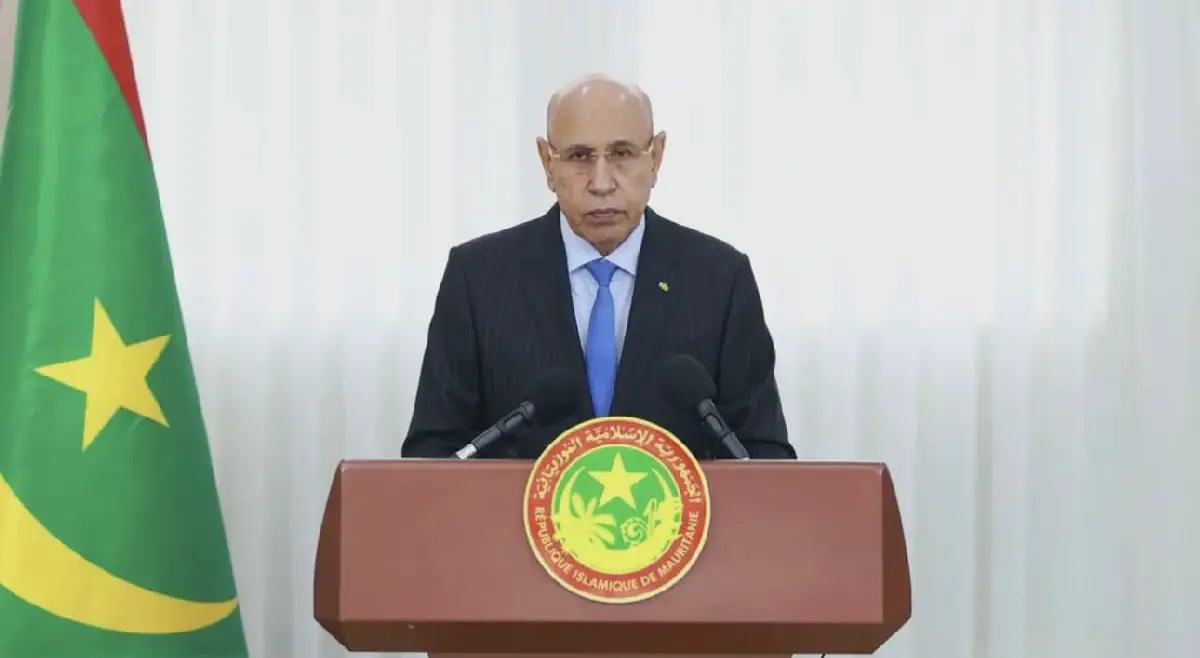
Mauritanian President Mohamed Ould Sheikh Ghazouani announced a salary increase for civil servants in a speech on the 66th anniversary of Mauritania's independence. This marks the seventh salary hike since he took office in 2019, and the second increase to include all employees. The new measures include a 10,000 ouguiya raise for education and training workers, a similar increase in the teaching allowance, and a 10,000 ouguiya raise for health workers, in addition to a 5,000 ouguiya increase in the risk allowance for semi-medical teams.
The salary increases also include 15,000 ouguiya for armed forces and security personnel, and 10,000 ouguiya for other civil servants and workers in public institutions with an administrative character. In addition, President Ghazouani announced a new pension reform for civil and military servants, which will take effect on January 1, 2027. The reform includes increases in pensions for employees who retire after the reform takes effect, and a 10,000 ouguiya monthly increase for retired civil and military servants.
The President also instructed the government to consult with the Mauritanian Employers' Union to grant a 10,000 ouguiya monthly increase to private sector workers who earn less than 150,000 ouguiya. This move is part of a series of salary increases announced by President Ghazouani since 2019, which have been targeted at specific sectors such as health, education, and security. The increases have been aimed at addressing the high cost of living and improving the standard of living for Mauritanian workers.
According to economic expert Sidi El Khair Ould Amadou, the salary increases have not always addressed the imbalances between sectors and ranks. He argues that a more targeted approach would be more effective in addressing the needs of different sectors. In contrast, economic expert Dr. Abdallah Ouah sees the increases as a response to the shortage of resources, which he believes is a paradox given the tripling of the state's budget since 2019.
The salary increases have been welcomed by some as a step towards improving the standard of living for Mauritanian workers. However, Dr. Ouah argues that the increases are not based on a scientific study of the wage situation and do not guarantee a minimum standard of living for workers. He calls for a comprehensive diagnosis of the wage situation and a wage policy that ensures a decent standard of living for workers.
An analysis of the salary increases over the past seven years shows that workers in the health, education, and security sectors have been the biggest beneficiaries. For example, the salary of a general practitioner has doubled since 2018, and the income of a teacher has increased by nearly 100% over the same period. However, the increases have not kept pace with the rising cost of living, which has been driven by inflation and rising food and fuel prices.
The government has announced that it will absorb the cost of the salary increases, which is estimated to be manageable within the current budget. The Minister of Finance will ensure that the increases are implemented within the framework of the country's financial rules and regulations. The salary increases are seen as a key step towards improving the standard of living for Mauritanian workers and addressing the high cost of living.
Key points
- The salary increases are part of a series of measures aimed at improving the standard of living for Mauritanian workers and addressing the high cost of living.
Reporting sources
- سبع زيادات للرواتب في عهد ولد الغزواني.. من الرابح الأكبر؟ · saharamedias.net