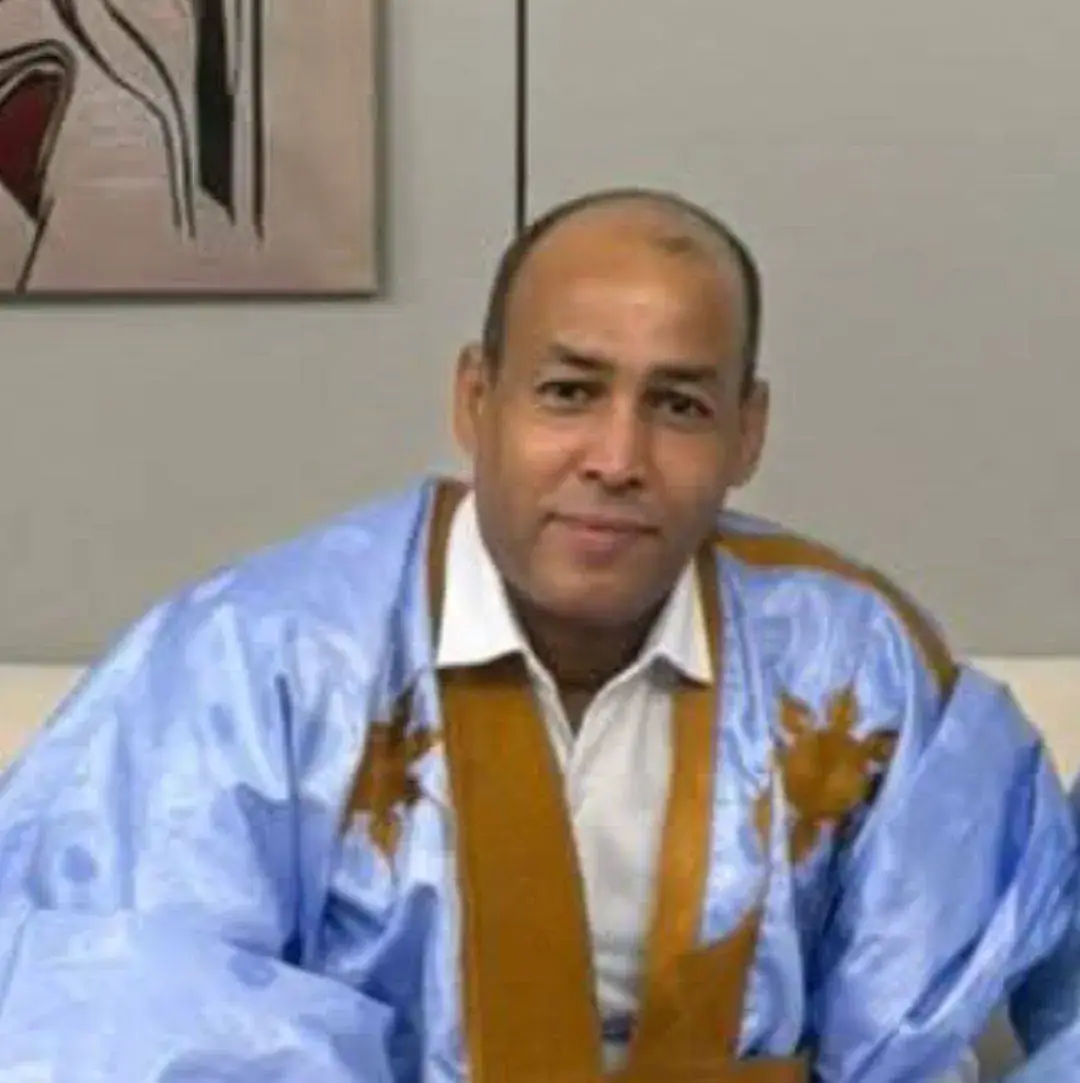
Mauritania's President Mohamed Ould Cheikh El Ghazouani recently met with Moroccan Foreign Minister Nasser Bourita in a visit that highlights the complex dynamics at play in the Western Sahara region. The meeting comes as the international community faces challenges in addressing the long-standing conflict. With the United Nations Mission for the Referendum in Western Sahara's mandate expiring, Mauritania is navigating its relationships with Morocco and other regional actors.
The visit follows the expiration of the UN Mission for the Referendum in Western Sahara's mandate, which ended on October 31 after 35 years of operation. The mission's future was uncertain due to disagreements among Security Council members, with Russia vetoing a US-backed resolution to extend its mandate. This development has significant implications for Morocco, which is seeking to bolster its position in the region.
Morocco views Mauritania as a crucial partner due to its geographic location, trade ties, and relationships with Algeria and the Polisario Front. By strengthening communication channels with Mauritania, Morocco aims to secure guarantees on border stability, enhance political coordination, and maintain a favorable regional environment. This cooperation is essential for Morocco as it navigates the changing landscape in Western Sahara.
However, Mauritania's priorities differ from Morocco's. The country is focused on protecting its national security, sovereignty, and regional balance. Mauritania's government has emphasized its commitment to a policy of positive neutrality, seeking to avoid taking sides in the conflict. This stance allows Mauritania to engage with various parties while maintaining its independence.
A key issue for Mauritania is the demarcation of its borders with Western Sahara. The country has expressed concerns about the potential implications of any final settlement on its territorial integrity and economic interests. Mauritania has proposed establishing a committee to clarify the international borders of the disputed territory, based on an agreement between the parties involved.
The withdrawal of the UN mission has raised concerns about the potential for military incidents near Mauritania's borders, disruptions to trade, and increased tensions between Morocco and the Polisario Front. As a result, Mauritania is seeking to enhance its security guarantees, develop border cooperation, and attract investments. The country aims to benefit from regional economic projects while maintaining its neutrality.
The meeting between Mauritania's president and Morocco's foreign minister highlights the complexities of the Western Sahara conflict. While the visit may not lead to significant changes in Mauritania's policy, it demonstrates the country's efforts to navigate the shifting sands of regional politics. Mauritania's approach, described as "moving sands diplomacy," reflects its commitment to maintaining a delicate balance in its relationships with neighboring countries.
Key points
- Mauritania is prioritizing its national security, sovereignty, and regional balance in its dealings with Morocco and other parties in the Western Sahara conflict.