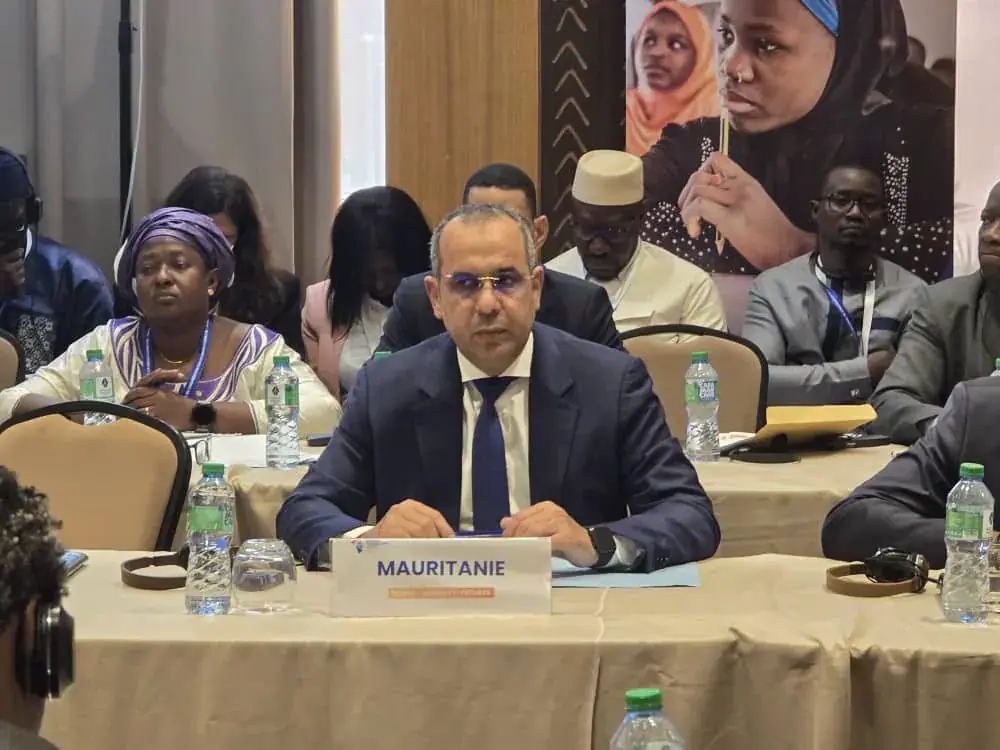
Mauritania has stated that its strategic location at the crossroads of the Arab Maghreb and sub-Saharan Africa makes it directly affected by the dynamics associated with the Atlantic migration route to West Africa. The country's position as a space for communication and movement between several regions contributes to this impact. This was emphasized by Ambassador Daman Hamr, Secretary-General of the Ministry of Foreign Affairs, African and Mauritanian Cooperation, at a ministerial conference.
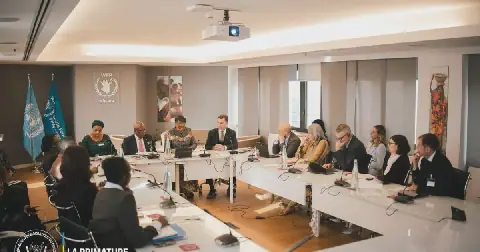
The ministerial conference, which took place in Dakar, Senegal, from November 18 to 20, brought together representatives from 15 African countries. The goal was to launch a regional cooperation process on migration in West Africa and establish a framework for collaboration and coordination among countries in the region. Ambassador Hamr welcomed the launch of this process, highlighting the need for shared responsibility and close cooperation among countries of origin, transit, destination, and return.
According to Ambassador Hamr, migration is linked to several strategic issues, including sovereignty, security, development, regional stability, and protection of fundamental rights. He also discussed the changes occurring in migration patterns, which are influenced by economic, environmental, and security challenges. These challenges require the development of comprehensive and balanced approaches that go beyond mere security concerns while ensuring border control and security.
Mauritania's priorities in migration governance and regional cooperation were also outlined by Ambassador Hamr. These priorities include preserving national sovereignty, enhancing border cooperation, and ensuring national control over migration data. Additionally, Mauritania aims to facilitate organized mobility, modernize border crossings, and strengthen efforts to combat document fraud and migrant smuggling networks.
In implementing the 2027-2028 roadmap, Mauritania has proposed developing national action plans to address its priorities, particularly in migration governance, migrant protection, and regional cooperation. These plans will take into account national legislation, institutional and financial capacities of each country. Ambassador Hamr emphasized the importance of establishing a periodic consultation mechanism among concerned ministers to ensure continuity of political commitments and coordination of positions.
Mauritania has also called for the creation of a regional coordination and resource mobilization mechanism, involving countries, regional organizations, technical and financial partners, and international institutions. The mechanism could be based on a dedicated funding pool or regional financing facility to support priority projects outlined in the roadmap. This would help facilitate the implementation of key initiatives and ensure effective cooperation among stakeholders.
The Mauritanian government's efforts to address migration challenges reflect its commitment to regional cooperation and effective governance of migration flows. By engaging in collaborative efforts with neighboring countries and international partners, Mauritania aims to develop sustainable solutions to the complex issues surrounding migration in West Africa. The country's experience and expertise in this area will likely contribute to the development of best practices and policies for managing migration in the region.
Key points
- Mauritania's geographic location makes it directly impacted by Atlantic migration dynamics in West Africa.