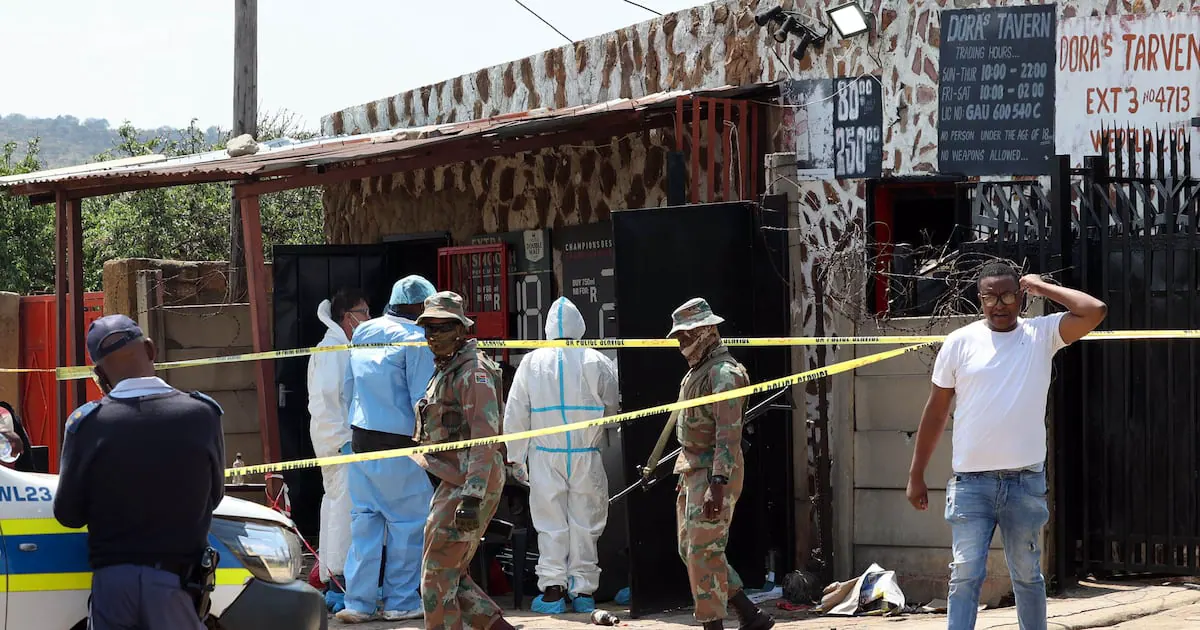
The recent mass shootings in Gauteng and the Western Cape, which claimed the lives of 28 people and injured 26 others, have raised concerns about the regulation and monitoring of liquor establishments in residential communities. The shootings occurred in Wedela, Gauteng, and Lwandle outside Cape Town, leaving families and communities devastated. The Southern African Alcohol Policy Alliance in South Africa (SAAPA SA) has extended its condolences to those affected.
SAAPA SA campaign director Nomcebo Dlamini stated that while the shootings were acts of violent crime, they also raised broader questions about the location, licensing, and monitoring of liquor establishments. Dlamini emphasized that the incidents should not be used to suggest that liquor licensing itself caused the shootings, but rather that they highlight the need for effective regulation and monitoring. The organization has called for a review of liquor outlets, including their density, location, and licensing status.
The issue of liquor licensing and community safety is particularly pressing in poorer communities, where liquor outlets and entertainment establishments can operate close to homes and other community facilities. SAAPA SA has expressed concerns about the closeness of liquor establishments to homes, schools, places of worship, and other community facilities. The organization believes that any consideration of a moratorium on new liquor licences should be part of a broader review of liquor outlets.
The 2016 Draft Liquor Amendment Bill proposed prohibiting the manufacture, distribution, or retail sale of liquor within 500 metres of schools, places of worship, recreational facilities, rehabilitation or treatment centres, public institutions, and similar amenities. SAAPA SA believes that this proposal is particularly relevant to densely populated communities where homes, schools, and liquor establishments can be located close to one another.
Dlamini emphasized that licensing must be accompanied by effective monitoring, enforcement of licence conditions, and appropriate zoning and location requirements. The organization has called for national, provincial, and local authorities to assess the broader environment in which liquor establishments operate. This should include assessing liquor outlet density and the location of licensed and unlicensed establishments.
SAAPA SA has also called for stronger regulation to prevent alcohol-related harm, alongside measures to address gender-based violence and femicide and other social harms. The organization's concerns about liquor licensing and community safety come weeks after the 2026 Women's Parliament adopted a declaration calling for stronger action to protect women and children.
SAAPA SA has urged authorities to take action to address regulatory weaknesses that have already been identified, rather than waiting for another tragedy to occur. The organization believes that South Africa should prioritize the safety of its communities by ensuring that liquor establishments are appropriately located, licensed, monitored, and regulated.
Key points
- The recent mass shootings in Gauteng and the Western Cape have raised concerns about the regulation and monitoring of liquor establishments in residential communities.
- SAAPA SA has called for a review of liquor outlets, including their density, location, and licensing status.
- The organization has urged authorities to take action to address regulatory weaknesses that have already been identified.