In a shocking discovery, a mass grave containing the skeletal remains of 572 people has been unearthed in the Chemmani area of Sri Lanka's Jaffna region. The grave was discovered by workers who were digging to extend a cremation ground in February, and archaeologists have since completed the third phase of excavation at the site. The remains, which include children and infants, were found with artefacts from their lives, such as bangles, a school bag, and a milk bottle.
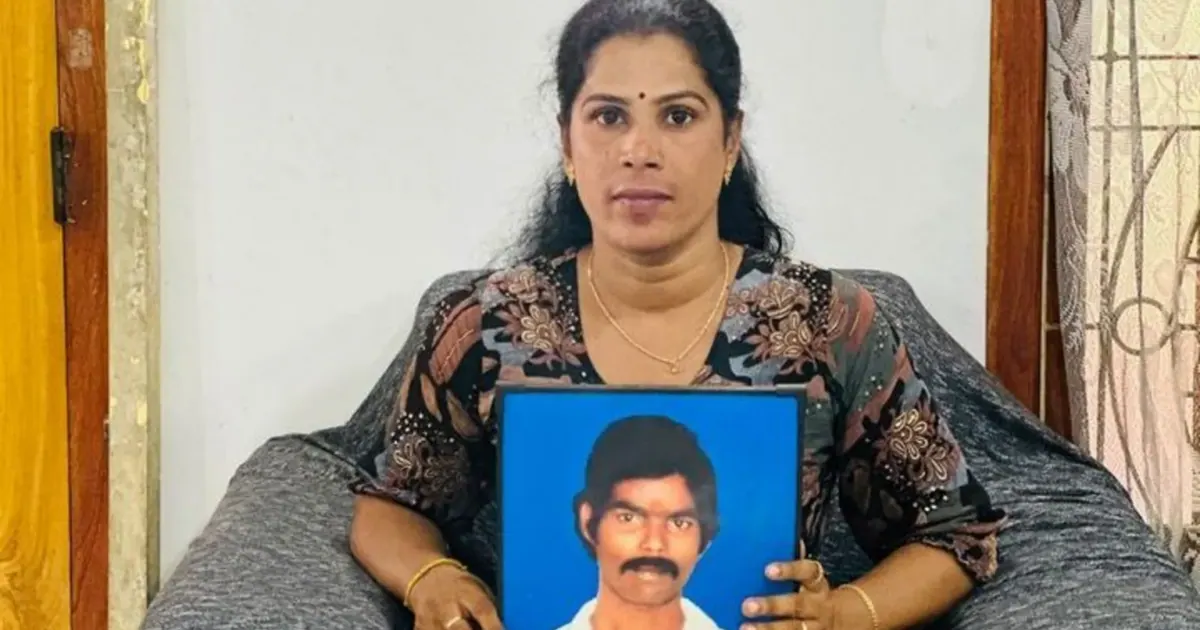
The discovery has brought hope to families of those who disappeared during Sri Lanka's devastating civil war, which lasted from 1983 to 2009. Many Tamils believe the grave holds the victims of extrajudicial killings carried out during the conflict, and are calling for an investigation and justice. Jeyaruby Jeyabalan, whose father disappeared in 1996, is among those searching for answers. She hopes that the discovery will provide closure for her family and others who have been searching for their loved ones for decades.
The civil war in Sri Lanka, which lasted 26 years, resulted in an estimated 100,000 deaths and 23,000 disappearances, mostly of Tamils. The conflict was fought between the government and the Liberation Tigers of Tamil Eelam (LTTE), who sought an independent state in the north-east of the country. The war ended in 2009, but the legacy of human rights abuses and disappearances continues to affect families and communities today.
The Chemmani region, where the mass grave was discovered, was a high-security zone during the war, with numerous army camps and checkpoints. The Sri Lankan army was accused of causing the disappearance of thousands of civilians, which the government has consistently denied. A soldier who was convicted of rape and murder in 1998 testified in court that between 300 and 400 people who had been killed in the mid-1990s were buried in Chemmani, leading to a previous excavation in 1999.
Human rights activists and experts have examined the site and believe that the burials were unlawful and likely the result of extrajudicial killings. The Human Rights Commission of Sri Lanka, which conducted inspections at Chemmani last year, found that the majority of the human remains were found without clothing, packed tightly together, and in some cases, stacked on top of others. The commission's report noted that there was a reasonable likelihood that the burials were unlawful.
The discovery of the mass grave has sparked renewed protests and calls for accountability in Sri Lanka's north. Families of those who disappeared during the conflict are demanding a thorough investigation and justice. Suseela, a 65-year-old woman, is among those searching for her son, Gnanaseelan Ravi, who was picked up by the Sri Lankan military in 2007. She and others like her are seeking answers and closure after decades of uncertainty.
As the excavation process at Chemmani continues, families and activists are urging the government to take action and investigate the disappearances. The discovery of the mass grave has brought attention to the long-standing issue of human rights abuses and disappearances in Sri Lanka, and it remains to be seen whether it will lead to meaningful change and accountability for those responsible.
Key points
- The mass grave contains the remains of 572 people, including children and infants.
- The discovery has sparked renewed calls for justice and investigation into the country's civil war-era disappearances.
- The excavation process has moved slowly, testing the patience of families searching for answers about their disappeared loved ones.