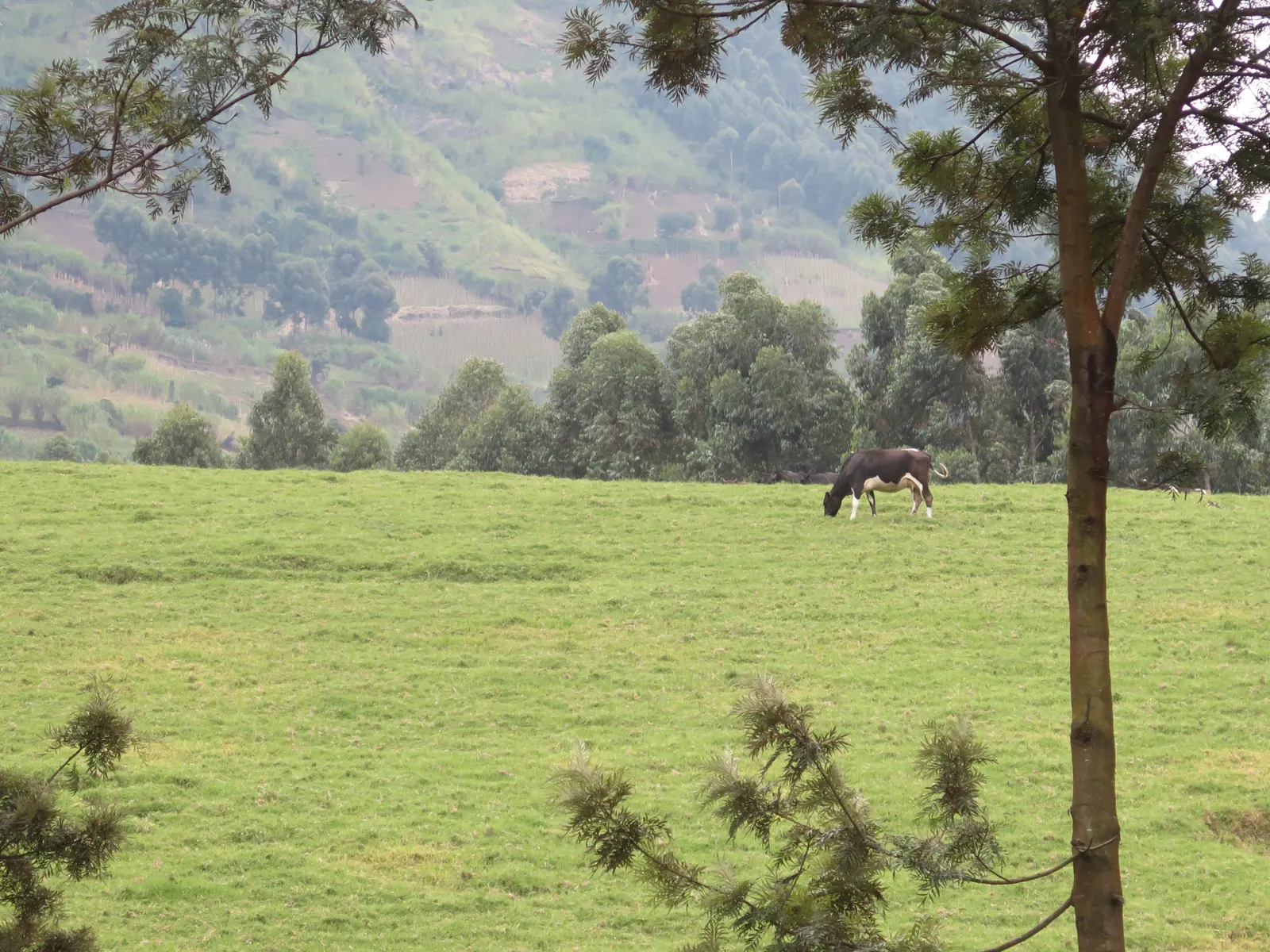
The territory of Masisi in North Kivu province, Democratic Republic of the Congo, has been experiencing ongoing clashes between the Congolese armed forces, their allies, and the M23 rebels. These confrontations have been concentrated around several areas, including Ngungu, Rubaya, and Nyabiondo. The persistence of these clashes has made Masisi a major hotspot of insecurity in eastern DRC, significantly impacting local civilian populations and economic activities.
According to local actors, Masisi's centrality in this conflict is largely due to its significant economic and strategic importance. The territory is endowed with highly coveted mineral resources, including coltan and cassiterite. Rubaya, a key site for coltan and cassiterite exploitation, has been under the control of the M23 rebels for nearly two years. Other parties involved in the conflict have been trying unsuccessfully to dislodge the rebels from the area for months.
The importance of Masisi extends beyond its mineral resources. The territory also boasts extensive agricultural and pastoral zones. Additionally, other mining areas such as Kirambo, which is rich in rubies and tourmaline, continue to fuel rivalries. Located in the Ufamandu zone, this region remains a hotspot of recurrent clashes. The territory's rich subsoil and vast agricultural lands make it a critical area of contention.
Masisi's geographical position further enhances its strategic importance. Serving as a crossroads between several provinces and territories, Masisi allows for control over essential road axes leading to Kalehe in South Kivu, as well as Walikale, a gateway to Maniema and Tshopo. In this context, clashes persist despite calls for a ceasefire, with each side seeking to maintain or regain positions deemed crucial on both economic and military fronts.
The ongoing conflict in Masisi has significant implications for the local population. The territory's agricultural and pastoral zones, particularly around Ngungu and Nyabiondo, are vital for the production of animal products and dairy by-products that supply several urban centers, including Goma. The disruption of these activities has exacerbated the humanitarian situation in the region.
The international community has expressed concern over the situation in Masisi and the broader North Kivu region. Various reports have highlighted the exploitation of mineral resources and the involvement of armed groups in this exploitation. These dynamics have been cited as major factors contributing to the persistence of conflict in the region.
Efforts to restore peace in Masisi and North Kivu continue, with calls for a ceasefire and negotiations between the parties involved. However, the complexity of the conflict, fueled by economic interests and strategic positions, poses significant challenges to achieving a lasting resolution. The situation remains volatile, with the humanitarian impact on local populations continuing to grow.
Key points
- The conflict in Masisi is driven by control over rich mineral resources and strategic locations.
- The territory's agricultural and pastoral zones are crucial for local and regional food supplies.
- International concern has been raised over the exploitation of mineral resources and its role in sustaining the conflict.