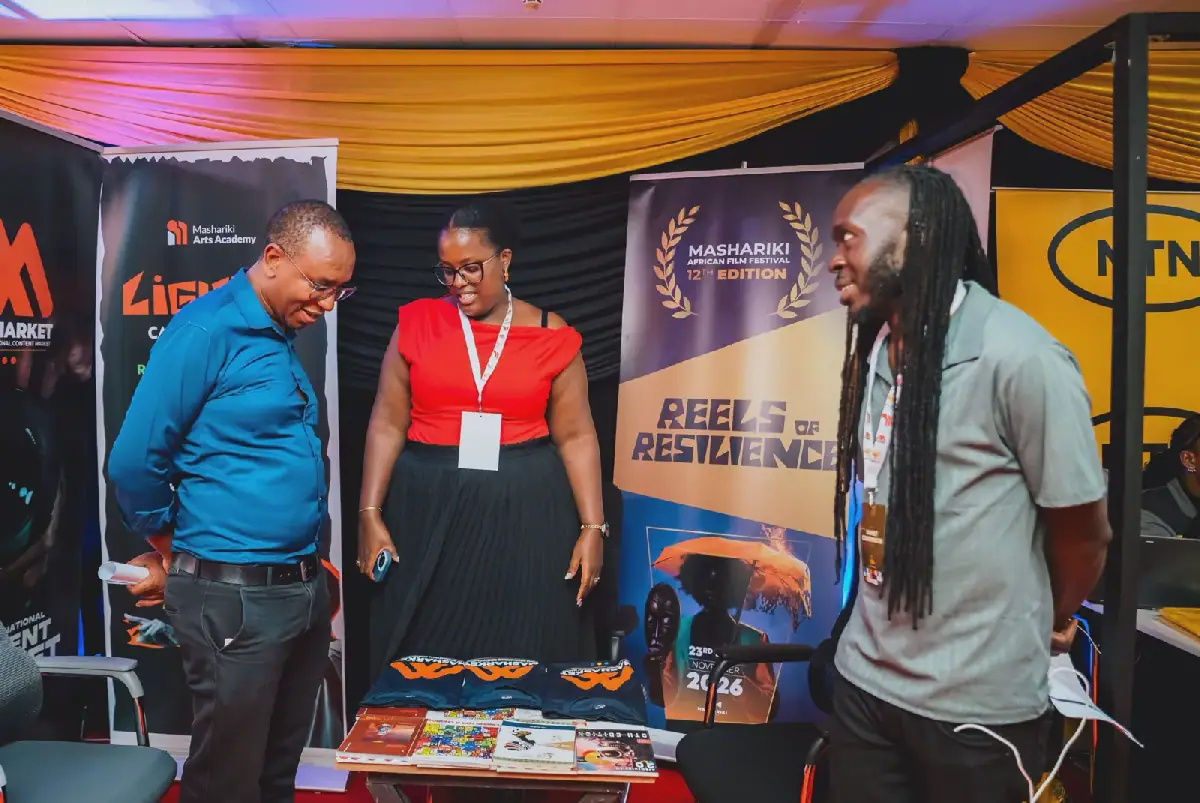
The 12th Mashariki African Film Festival, held in Kigali from November 23 to 29, has provided a platform for filmmakers and industry professionals to come together and discuss ways to grow the African cinema industry. The festival, which concluded on November 29, brought people together to champion ideas that bring this vision to life. Rwanda aims to establish itself as a competitive destination for film production in Africa, and the festival has played a significant role in promoting this goal.
According to James Cook, proprietor of KelCo Group, a permanent home for the festival could give filmmakers greater confidence that their work would have a place to reach audiences. "Having a home for the festival is very, very important because it gives people inspiration to make those films, knowing that those films will have a place to live, will have a place to be seated," he said. This highlights the importance of a physical home for the festival in bringing together people who might otherwise struggle to meet, exchange ideas, and find the resources needed to move their projects forward.
The festival provides opportunities for emerging filmmakers to meet with producers, distributors, experienced professionals, and potential financiers. It also gives selected films public exposure and recognition that may help them reach wider audiences. Simon Iyarwema, who oversees events at Mashariki, says the platform is intended to help filmmakers showcase their work, learn from others, and build relationships that can advance their projects. "People we invite come together and showcase their work. They demonstrate how they write films, produce them, edit them, and get them to audiences. It is an opportunity for people working in the industry to exchange knowledge," he said.
The Mashariki Content Market, known as MashaRket, brings together professionals involved in different stages of filmmaking. This exchange is part of a wider ambition to make Rwanda a recognized film production destination, competing with established industry markets such as Kenya and South Africa. The festival's organizers believe Rwanda has the talent to compete internationally, but turning that potential into a sustainable industry requires continued investment, collaboration, and support.
Africa's film industry often faces a challenge of audience, and film festivals remain important even as streaming platforms and digital content make films increasingly accessible from home. The experience of watching a film alongside other people, sharing reactions, and discussing its message creates a connection that individual viewing cannot easily reproduce. Douglas Kasule Benda, a Ugandan actor, theatre, and film director, says that organizers and filmmakers should recognize that festivals survive because people participate in them.
The 12th edition of the festival, running under the theme "Reels of Resilience," brought together participants from several countries, including Kenya, Uganda, Tanzania, South Africa, the United States, Italy, Finland, and Germany. The festival's aim is to build on its international connections and expand the opportunities available to Rwandan filmmakers. Participation offers an opportunity to sustain relationships with audiences, sponsors, and industry professionals throughout the year.
For the industry to grow, festivals must help rebuild a culture of collective film viewing while encouraging audiences to support filmmakers beyond the festival period. The Mashariki Film Festival has become a launchpad for Rwanda's growth in African cinema, and its continued success will depend on the support of filmmakers, industry professionals, and audiences alike. Key to this growth is providing a platform for filmmakers to showcase their work, and creating opportunities for collaboration and knowledge exchange.
Key points
- The festival provides a platform for filmmakers to showcase their work and build relationships that can advance their projects.
- A permanent home for the festival could give filmmakers greater confidence that their work would have a place to reach audiences.
- The festival's aim is to build on its international connections and expand the opportunities available to Rwandan filmmakers.