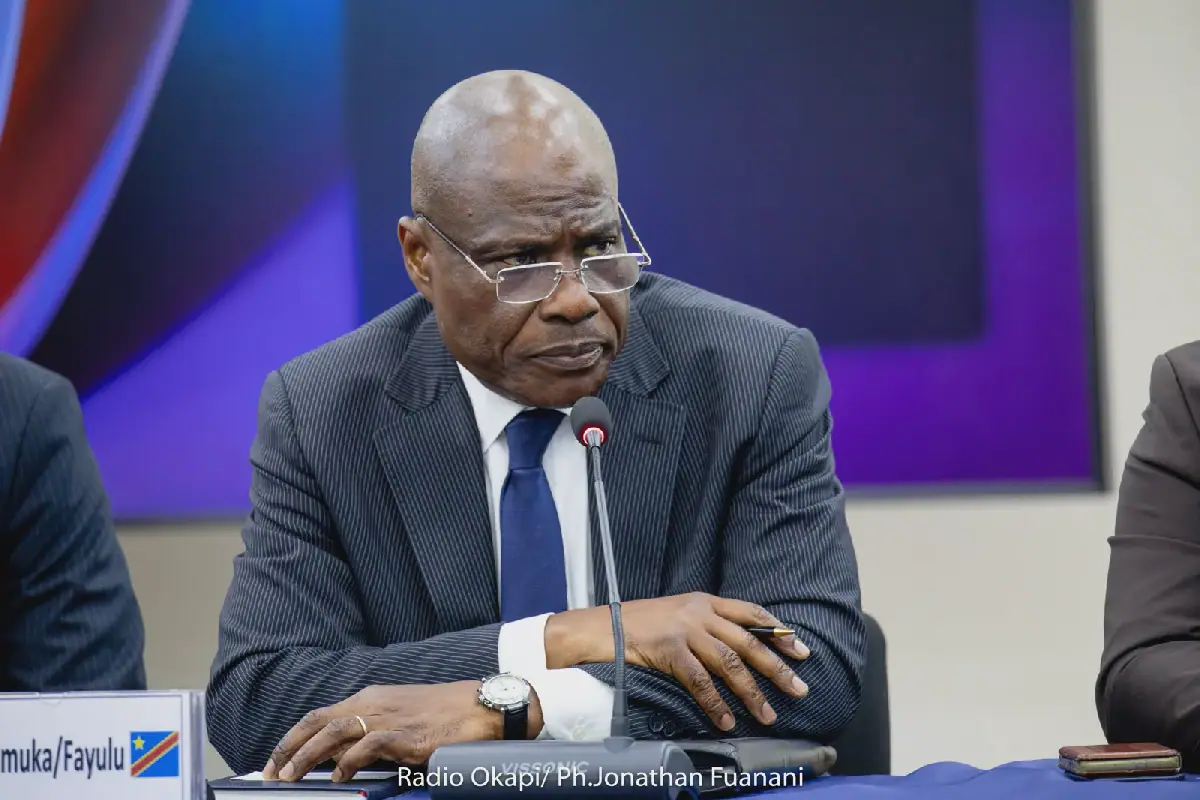
On October 28, Martin Fayulu, a prominent opposition leader in the Democratic Republic of the Congo, expressed concern over the detention of Prince Epenge, president of the ADDCongo party and spokesperson for the Lamuka coalition. Epenge was taken into custody on October 25 at N'djili airport by unidentified individuals as he was about to travel to Rome for a meeting of the Coalition article 64 (C64). Fayulu demanded that Epenge's fundamental rights be respected and called for an impartial judicial process.
According to Fayulu, Epenge's arrest and subsequent referral to the prosecutor's office in Kinshasa/Gombe after 48 hours in detention at the National Council for Cybercrime, raises questions about the country's justice system. Epenge is accused of spreading false information regarding the death of his supporter, Manasse Lomboto, who died during a demonstration on September 15, 2026. The prosecution claims that Epenge's allegations are unfounded.
Fayulu also demanded an independent, impartial, and thorough investigation into Lomboto's death, which he attributes to violence perpetrated by the "Force du progrès". He recalled that a complaint filed by C64 lawyers in connection with this case should be examined with diligence, without delay or obstruction. Fayulu insisted that Epenge should not be made a scapegoat in this case.
The leader of the EciDé party emphasized that the justice system must uncover the truth and establish individual, hierarchical, and operational responsibilities without political pressure or bias. Fayulu's reaction was shared on his social media account, where he urged the authorities to ensure that Epenge receives fair treatment.
Epenge's party had previously denounced his arrest as a "political abduction" and demanded his immediate release. The Lamuka coalition, of which Epenge is a key member, has been critical of the government's handling of the country's crisis and has called for a national inclusive dialogue.
The incident has sparked concerns about the rule of law and human rights in the Democratic Republic of the Congo, particularly in the context of the upcoming elections. Fayulu's criticism of Epenge's arrest highlights the ongoing tensions between the opposition and the government.
The case has also raised questions about the role of the judiciary in the country and its ability to function impartially. As the situation unfolds, it remains to be seen how the authorities will respond to Fayulu's demands and whether Epenge will be released or charged.
Key points
- Martin Fayulu demands impartial justice for Prince Epenge.
- Epenge's arrest sparks concerns about the rule of law in DR Congo.
- The case highlights ongoing tensions between the opposition and the government.