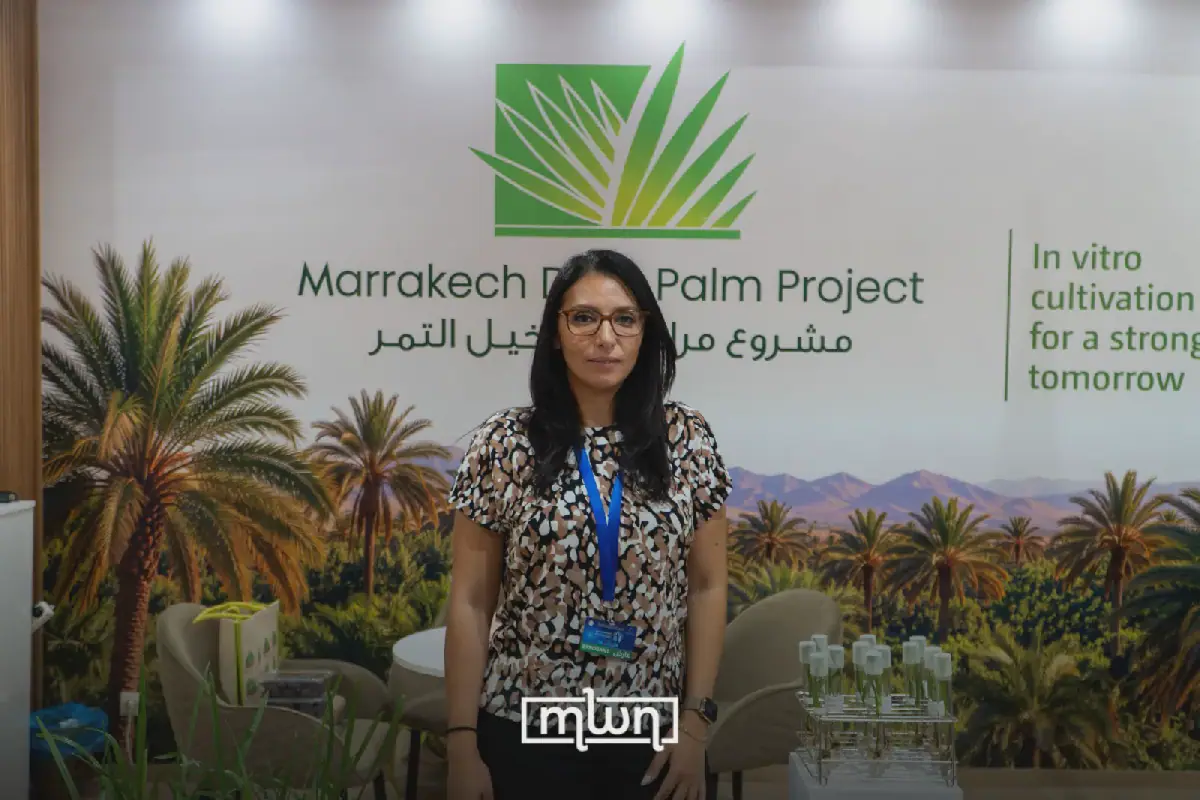
The 15th edition of the International Date Fair, SIDATTES, is currently underway in Erfoud, Morocco, showcasing innovations in the country's date palm industry. The event, which opened on October 28, features approximately 230 exhibitors and is expected to attract around 100,000 visitors before concluding on November 1. The fair is held under the theme "Date Palm and Innovation: Opportunities for Integrated Territorial Development," focusing on scientific research, agricultural technology, investment, and sustainable development in Morocco's oasis regions.
Among the exhibitors is the Marrakech Date Palm Project, a biotechnology laboratory that combines agricultural innovation with employment opportunities for women in local communities. The laboratory, which began production in 2020, employs more than 50 people, including over 35 women, making up 75% of its workforce. This initiative aims to provide opportunities to women who might otherwise struggle to enter the workforce, particularly those from surrounding communities with limited employment prospects.
Lamiaa Zaid of the Marrakech Date Palm Project explained that the laboratory prioritizes recruiting women from the region, offering internal training programs lasting between three and six months. These programs allow women without specialized scientific qualifications to develop practical skills needed for certain laboratory operations. The project reports a 98% completion rate for its internal training program, with women holding positions across different areas of the company, from laboratory operations and fieldwork to management and administration.
The Marrakech Date Palm Project specializes in tissue culture, a biotechnology technique that allows selected date palm varieties to be multiplied under controlled laboratory conditions. This process helps produce genetically consistent planting material screened for diseases, supporting efforts to strengthen Morocco's date palm industry. The laboratory has worked with several varieties, including Mejhoul, Boufeggous, and Najda.
Zaid stressed the importance of protecting date palm plantations from diseases such as Bayoud, which has historically affected Morocco's oasis regions. The project reflects one of SIDATTES 2026's main objectives, promoting agricultural innovation while supporting sustainable economic development. By empowering women in the agricultural sector, the Marrakech Date Palm Project is contributing to the country's economic growth and sustainable development.
The project has provided opportunities for women who face financial difficulties and struggle to earn an independent income. Zaid noted that some women in the area are divorced, have children, and require financial support. By offering employment opportunities and training programs, the laboratory is helping to address these challenges and improve the socio-economic status of women in the region.
The Marrakech Date Palm Project's innovative approach to combining biotechnology with agricultural development has made it a standout exhibitor at SIDATTES 2026. As the event continues, the project is expected to attract significant attention from industry stakeholders and policymakers, highlighting the potential for sustainable economic development and women's empowerment in Morocco's agricultural sector.
Key points
- The Marrakech Date Palm Project employs over 35 women, making up 75% of its workforce, and offers internal training programs to develop their practical skills.