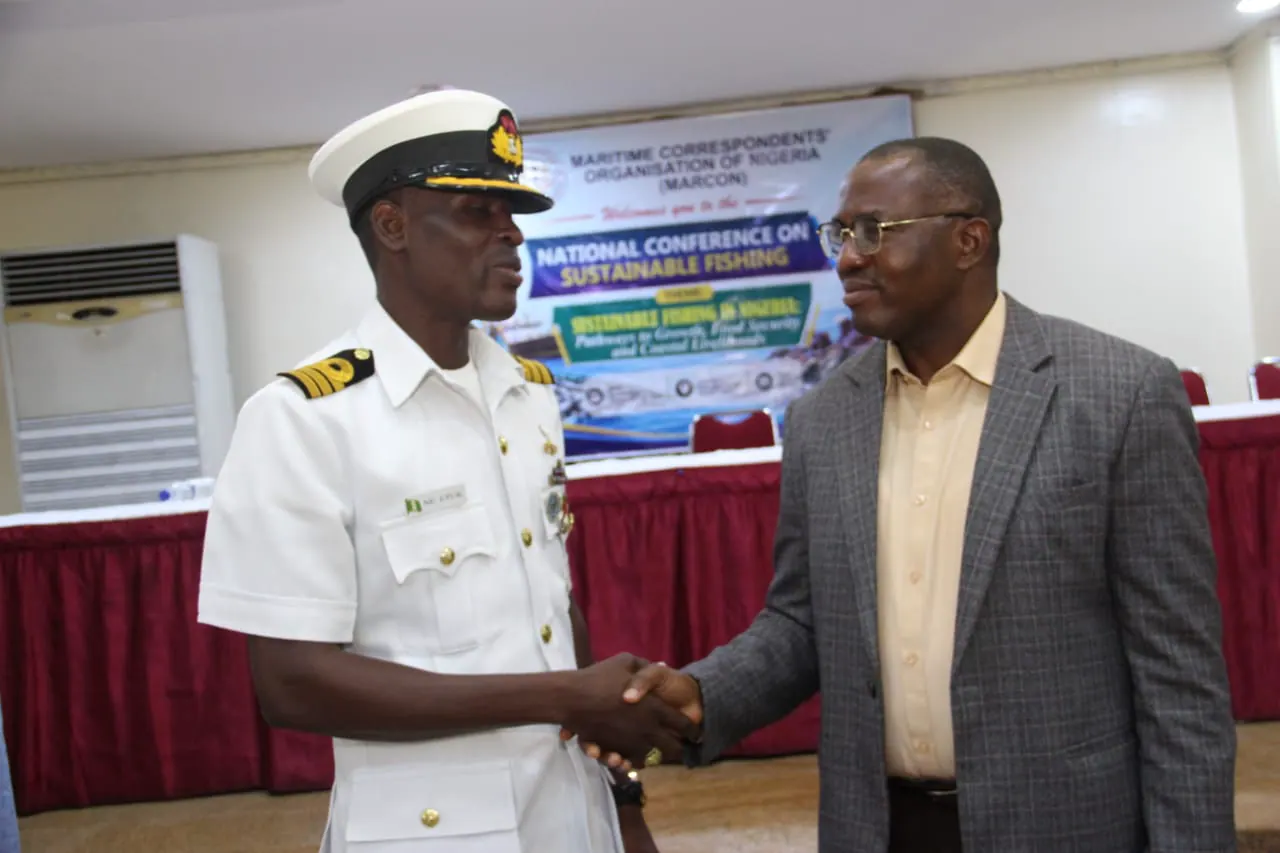
The Maritime Correspondents’ Organisation of Nigeria (MARCON) has urged state governments to invest in the fisheries sector to create jobs, strengthen food security, and generate revenue. MARCON president Ismail Aniemu made this call in Lagos, emphasizing that Nigeria's vast marine resources must be utilized to boost the economy. He stressed that fishing should occupy a stronger position in the country's blue-economy agenda. Aniemu highlighted Nigeria's diverse marine endowment, including fish, octopus, crabs, shrimps, and crayfish.
Aniemu attributed the limited attention given to fisheries to Nigeria's long-standing dependence on oil and gas. He argued that the country must recognize fishing as an important source of economic diversification. The sector, he said, has significant potential for wealth and job creation. However, Aniemu questioned whether Nigeria was adequately participating in the value chain or managing its marine resources sustainably. He identified marine pollution, illegal and unregulated fishing, and inadequate indigenous participation as key issues that stakeholders must address.
The MARCON president urged the maritime industry to look beyond its traditional focus on cargo and container traffic. He argued that greater attention should be given to fish production and exports. Aniemu noted that Nigeria both imports and exports fish, emphasizing the need to strengthen domestic capacity to derive greater economic value from its fisheries resources. He also called for stronger integration of artisanal fishing communities into fisheries development, saying those operating at the grassroots level must be carried along in policies and investments.
Aniemu challenged state governments to take advantage of their marine resources by investing in fishing and trawler ownership. He urged them to develop greater awareness of the economic potential of their marine endowments and invest in ways that would translate those resources into tangible benefits for their people. According to Aniemu, it's not enough for states to merely have waterways; they must actively harness their marine resources. He cited Lagos as an example, where people can be born and raised without being wealthy, yet the state has vast marine resources.
The MARCON president announced that the sustainable fishing conference would become a calendar event, held every September. The 2026 gathering served as its maiden edition, bringing together experts, academics, and experienced industry stakeholders to examine the challenges and opportunities within Nigeria's fisheries sector. Aniemu welcomed participants to the conference, expressing MARCON's expectation that the gathering would generate meaningful discussions and practical insights for the sustainable development of Nigeria's fishing industry.
Aniemu emphasized the need for states to recognize the economic potential of their marine resources and invest accordingly. He noted that Nigeria's marine endowment extends beyond fish to include other valuable resources. The MARCON president urged stakeholders to think about how to sensitize states to harness their marine resources for food security and economic benefits. He expressed optimism that the conference would help drive sustainable development in the fisheries sector.
The conference aims to promote sustainable fishing practices and explore pathways to growth, food security, and coastal livelihoods. MARCON's initiative seeks to address key challenges facing the fisheries sector, including marine pollution and inadequate indigenous participation. By engaging state governments and industry stakeholders, the organization hopes to unlock the economic potential of Nigeria's marine resources and create new opportunities for job creation and revenue generation.
Key points
- MARCON urges state governments to invest in fisheries sector for jobs and revenue.
- Nigeria's marine resources include fish, octopus, crabs, shrimps, and crayfish.
- Sustainable fishing conference to become annual event in September.