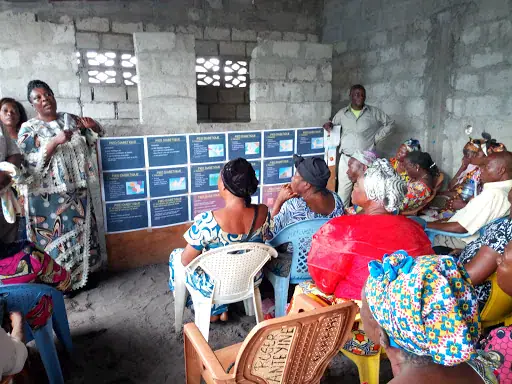
Health professionals in the Democratic Republic of the Congo are urging citizens to take action against diabetes, a chronic disease that affects millions of people worldwide. On the occasion of World Diabetes Day, celebrated on November 14, under the theme "Act early against diabetes," they are calling for increased screening and awareness of the condition. According to the National Diabetes Control Program (PNLD), the prevalence of diabetes is estimated to be around 8% nationally and nearly 0.5% in children.
Diabetes is a disease characterized by abnormally high levels of glucose, or sugar, in the blood. This occurs when the pancreas does not produce enough insulin or when the body does not use insulin properly. If left undiagnosed and untreated, diabetes can lead to serious complications and significantly affect a person's quality of life. One patient who agreed to share their experience after being diagnosed with diabetes described feeling a strong urge to urinate and drink water constantly. "When the doctor told me I had diabetes, I thought I was going to die," they said.
Health professionals stress the importance of recognizing the signs of diabetes and consulting a doctor for screening. Possible symptoms include excessive thirst, frequent urination, unusual fatigue, and unexplained weight loss. Dr. Louise Hanyange, deputy director of the PNLD, emphasizes that diabetes requires adapted care. "Diabetes is a metabolic disease characterized by permanently high blood sugar levels. To manage this, we need external insulin. We avoid certain risk behaviors, such as smoking and consuming alcohol irresponsibly."
Dr. Hanyange also notes that family history can increase the risk of developing diabetes, particularly type 2. However, having a parent with diabetes does not necessarily mean that one will develop the condition. Regular screening, especially for people with risk factors, and adopting healthy habits are crucial. Through World Diabetes Day, health professionals are reminding the public of the need to strengthen information, promote early diagnosis, and improve care for people living with diabetes in the DRC.
The PNLD estimates that many people with diabetes in the DRC are unaware of their condition. The country's healthcare system faces significant challenges in providing adequate care for patients with chronic diseases like diabetes. Health professionals are advocating for increased awareness and education about diabetes, as well as improved access to screening and treatment.
The theme of this year's World Diabetes Day, "Act early against diabetes," highlights the importance of early detection and treatment. Health professionals encourage people to take control of their health by adopting healthy habits, such as a balanced diet and regular exercise. By working together, they hope to reduce the burden of diabetes in the DRC and improve the lives of those affected.
The DRC's healthcare system will continue to face challenges in managing chronic diseases like diabetes. However, with increased awareness, education, and access to screening and treatment, it is possible to improve the lives of people living with diabetes. Health professionals will continue to advocate for the needs of patients with diabetes and push for policy changes that support better care and management of the condition.
Key points
- Many people in the Democratic Republic of the Congo are living with undiagnosed diabetes, according to health professionals.
- The National Diabetes Control Program estimates that 8% of the population has diabetes, with many cases going undiagnosed.
- Health professionals are calling for increased screening and awareness of diabetes to improve care and management of the condition.