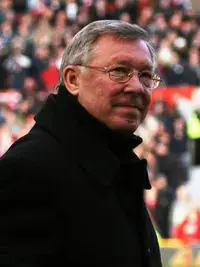
Since Sir Alex Ferguson retired in May 2013, Manchester United have been trapped in a cycle of short-term appointments, high expectations, and recurring disappointment. Ferguson's impressive record of 1,500 matches, a 59.7% win rate, and 38 trophies has not been matched by his successors. The club's revolving door has spun faster in recent years, with a pattern that stretches back over a decade. This cycle has led to a significant financial cost, with compensation payments running into tens of millions.
David Moyes, Ferguson's hand-picked successor, lasted less than a season, with 27 wins, 9 draws, and 15 losses in 51 matches. He won the Community Shield but was sacked after a difficult campaign that exposed the size of the job. The appointment was flawed from the start, with the club lacking a coherent succession plan or football structure to support the transition. Moyes's tenure highlighted the challenges of succeeding a legendary manager and the importance of a well-planned transition.
The club's subsequent managerial appointments have not been more successful. Ryan Giggs had a brief caretaker spell, while Louis van Gaal stabilised the side and delivered a major trophy, the FA Cup in 2016. However, his possession-heavy style drew criticism, and Champions League qualification was inconsistent. José Mourinho restored silverware and competitiveness, finishing second in the league in 2017/18, but his tenure was marked by public criticism of the board, recruitment, and players.
Ole Gunnar Solskjær, a club legend, arrived as interim and was made permanent after a strong run that restored positivity and belief. However, he never won a trophy and was dismissed after a heavy defeat at Watford and a collapse in form. Solskjær's long tenure highlighted both the emotional pull of club figures and the limits of sentiment when results dry up. His record of 91 wins, 37 draws, and 40 losses in 168 matches was respectable but ultimately not enough to guarantee longevity.
The club's more recent managerial appointments have continued the pattern of short-term success followed by disappointment. Ralf Rangnick's "interim" experiment produced little on-pitch success, while Erik ten Hag ended the major-trophy drought and delivered a third-place finish in his first season. However, form collapsed in his second full campaign, and a poor start to 2024/25 led to his dismissal. Ruud van Nistelrooy had a short, successful caretaker spell, but Rúben Amorim's rigid 3-4-3 system never fully clicked with the squad.
Michael Carrick had two spells as caretaker and permanent manager, with a strong end to 2025/26 earning him the permanent job. However, a disastrous start to 2026/27 led to his sacking on 12 November 2026. The contrast between the rescue act and the subsequent collapse was particularly stark and illustrated how quickly goodwill can evaporate at Old Trafford. The deeper problems at the club, including expensive yet frequently mismatched recruitment and a lack of consistent long-term planning, remain transparent.
As Manchester United searches for a new manager, history offers little encouragement. Every permanent manager since Ferguson has eventually been chewed up by the same combination of structural shortcomings, impatient expectations, and mismatched resources. The club has reached a verbal agreement with Mauricio Pochettino, the USMNT coach and former Tottenham, Chelsea, and Southampton manager, who brings Premier League experience and a track record of improving teams. However, it remains to be seen whether Pochettino can break the cycle of short-term appointments and recurring disappointment.
Key points
- Manchester United's managerial carousel has continued since Sir Alex Ferguson's retirement in 2013, with a pattern of short-term appointments and recurring disappointment.
- The club's structural shortcomings, impatient expectations, and mismatched resources have contributed to the failure of its permanent managers since Ferguson.
- Mauricio Pochettino has been lined up as the new manager, but it remains to be seen whether he can break the cycle of short-term appointments and recurring disappointment.