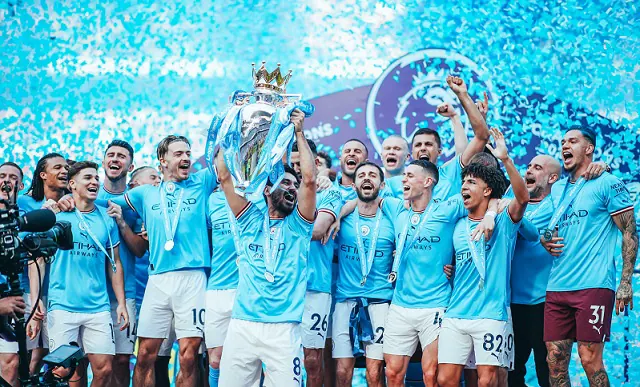
The Premier League's independent commission has found Manchester City Football Club guilty of serious financial breaches across nine seasons, from 2009-10 to 2017-18. The commission concluded that the club had used "sham" commercial arrangements to inflate revenues and reduce costs, misstated its accounts, and concealed its true financial position from auditors and regulators.
Manchester City's Abu Dhabi-backed ownership, led by Sheikh Mansour, transformed the club into a global powerhouse over 18 years, investing heavily in the club and its surrounding East Manchester community. This has accumulated enormous goodwill among supporters, but the findings have also left a sense of dissonance among the City fanbase. Repeated denials and assurances created a fog of obfuscation around the allegations, leading to conspiratorial claims.
Chairman Khaldoon Al Mubarak wrote directly to fans three days before the final findings were published, insisting that City's confidence in proving its innocence remained undiminished. He invoked key moments in the club's recent history and warned of those seeking to "undermine" the club, appealing to the strength of the "Manchester City family". This language exploited the inherited relationship between supporters and Manchester City.
The commission's findings make this exploitation impossible to ignore. City supporters are now faced with an uncomfortable reckoning, having to confront the possibility that one of the most glorious periods in their inherited story has been profoundly compromised. Anger, denial, and defiance are understandable responses, but supporters must make a distinction between the club and its ownership.
Professional football depends on a simple bargain: supporters invest time, money, and emotion because they believe the competition has meaning. Systematically circumventing rules damages the sport, extending far beyond Manchester City. Other clubs competed for the same trophies, European places, and prize money, with their supporters investing in those competitions too.
Sporting integrity underpins the emotional meaning of football, making what happens next vitally important. City supporters have a responsibility to defend their club, refusing to direct anger exclusively towards the Premier League, rival supporters, or journalists. They must turn that anger towards those who brought their club into disrepute, demanding accountability from an ownership that has exploited their trust.
The question now is not whether Manchester City supporters still love their club, but what their love requires them to do next. They should demand accountability from an ownership that has exploited their trust and systematically circumvented the rules of the competition. The same tribal loyalty mobilized in defense of Manchester City's owners can be mobilized against them.
Key points
- Manchester City's supporters must distinguish between the club and its ownership in the wake of the Premier League's findings.
- The club's ownership has exploited the inherited relationship between supporters and Manchester City.
- Supporters have a responsibility to defend their club and demand accountability from the ownership.