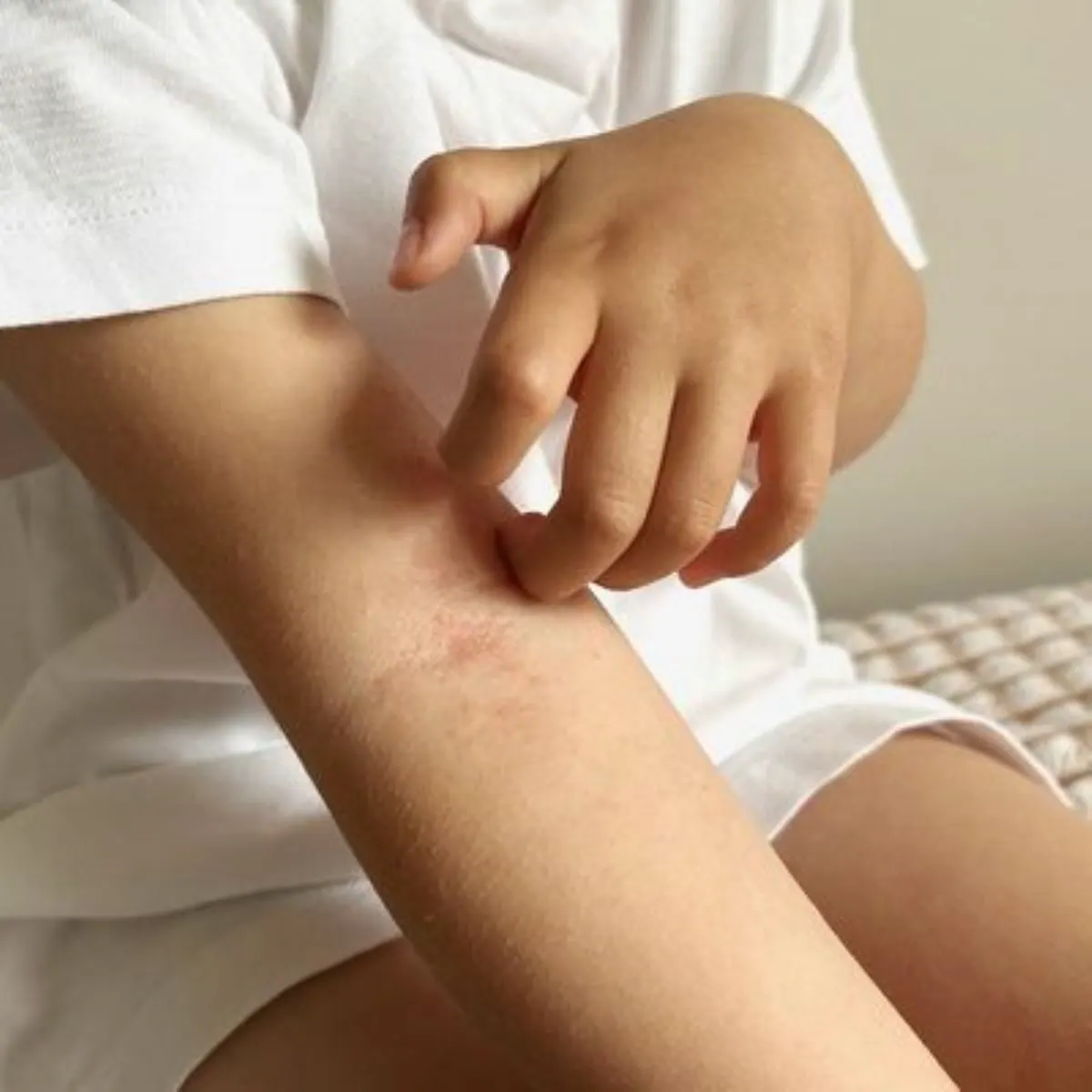
Severe eczema in Nigeria's hot and humid climate poses unique challenges. The constant moisture on the skin leads to unbearable itching, redness, darkening of the skin, and painful open sores. Intense heat and daily sweating create worse skin reactions, making it essential to develop a clear routine to manage the condition. Dermatologists emphasize that high humidity and sweat are significant triggers for severe itching.
High humidity and sweat trigger severe itching in individuals with atopic dermatitis. The air's moisture saturation makes it difficult for sweat to evaporate, leading to a stinging crust on the skin. This salty deposit irritates exposed nerve endings, causing intense itching. According to the National Eczema Association, sweat is a widespread environmental trigger for atopic dermatitis flare-ups. High humidity also encourages the growth of bacteria and fungi on the skin surface.
To treat severe eczema in humid weather, gentle cleansing is crucial. Individuals should take a brief bath with cool or lukewarm water twice a day, especially after exposure to heat. Harsh soaps, medicated black soaps, and scented antiseptic bath liquids should be avoided, as they destroy the natural lipid barrier of the skin. Instead, opt for a mild, fragrance-free cleanser and apply it softly using bare hands.
After bathing, it is essential to cool down and pat dry thoroughly. Rubbing the body vigorously with a rough towel can create microscopic tears on inflamed patches and reignite intense itching. Use a clean, soft cotton towel to gently pat the skin dry until it remains slightly damp. Pay special attention to hidden skin folds, such as armpits, groin, and behind the knees, where trapped moisture triggers fungal complications.
Applying doctor-prescribed medicating creams is a critical step in managing severe eczema. Medicated treatments, such as topical corticosteroids or non-steroidal calcineurin inhibitors, should be applied directly to affected areas while the skin is still slightly damp. These medications work by turning off the immune system's overactive inflammatory response. It is essential to follow a qualified physician's instructions and use only a thin film over active red or dark patches.
Locking in protection with lightweight barrier creams is vital to manage severe eczema. A dedicated moisturizer should be applied to seal the skin barrier, even in humid weather. Avoid heavy, suffocating petrolatum jellies during peak daytime heat, as they trap body warmth and sweat. Instead, opt for fragrance-free barrier creams containing ceramides, glycerin, or colloidal oatmeal that absorb cleanly into the skin.
Daily clothing choices and hydration play a significant role in managing severe eczema. Synthetic fabrics, such as polyester and nylon, trap body heat and rub raw against active eczema patches, creating continuous friction. Choose loose-fitting garments made from 100 percent natural cotton or linen, and wash them using mild, fragrance-free laundry detergents. Drinking plenty of fresh water throughout the day supports overall hydration and helps manage the condition.
Key points
- High humidity and sweat are significant triggers for severe itching in individuals with atopic dermatitis.
- Gentle cleansing and cooling down are crucial steps in treating severe eczema in humid weather.
- Applying doctor-prescribed medicating creams and locking in protection with lightweight barrier creams are essential in managing severe eczema.