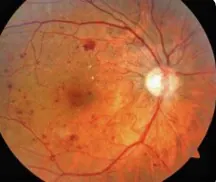
Diabetic retinopathy (DR) is a severe ocular complication of diabetes and a major cause of avoidable blindness. In sub-Saharan Africa, it affects about one-third of diabetic patients. A recent study at Treichville University Hospital in Abidjan aimed to identify the difficulties encountered by patients with DR in their management. The study, conducted from October 1 to November 30, 2024, included 30 patients with DR who were followed in the ophthalmology department.
The study found that 83.3% of patients were between 50 and 75 years old, and 60% were women. Two-thirds of the patients lived outside Abidjan, and 76.7% had an unstable income. Despite the majority (83.3%) knowing that DR was a serious complication of diabetes that could lead to blindness, 40% had never received information about their disease. This lack of awareness and unstable income can exacerbate the challenges faced by patients.
Patients encountered significant difficulties in undergoing eye examinations and accessing eye care services. Specifically, 80% faced challenges in undergoing eye examinations, and 83.3% encountered difficulties in accessing eye care services. The main reasons for these challenges were geographic distance (80%) and high cost (66.7%). These barriers can lead to delayed diagnosis and treatment, ultimately affecting the quality of life of patients.
The study also found that all patients reported a negative impact on their quality of life due to DR. Furthermore, one-third of the patients had no psychological support, which can worsen the emotional and mental well-being of patients. The lack of psychological support and the challenges in accessing care can have a significant impact on the overall health of patients.
The study highlights the need for an integrated approach to manage DR effectively. This approach should combine therapeutic education, telemedicine, and social support. By providing patients with education and awareness about their disease, healthcare providers can empower them to take control of their condition. Additionally, telemedicine can help bridge the gap in accessing eye care services, especially for patients living in remote areas.
The findings of this study are consistent with previous research on DR in sub-Saharan Africa. Studies have shown that DR is a significant public health concern in the region, with high prevalence rates and limited access to care. The study's results emphasize the need for healthcare providers and policymakers to address the challenges faced by patients with DR.
To improve the management of DR in Abidjan, it is essential to address the challenges identified in the study. This can be achieved by increasing awareness and education about DR, improving access to eye care services, and providing psychological support to patients. By taking a comprehensive approach, healthcare providers can reduce the burden of DR and improve the quality of life of patients.
Key points
- The study highlights the need for an integrated approach combining therapeutic education, telemedicine, and social support to manage DR effectively.
- Patients with DR in Abidjan face significant challenges in accessing eye care services, mainly due to geographic distance and high cost.
- The study found that all patients reported a negative impact on their quality of life due to DR, and one-third had no psychological support.