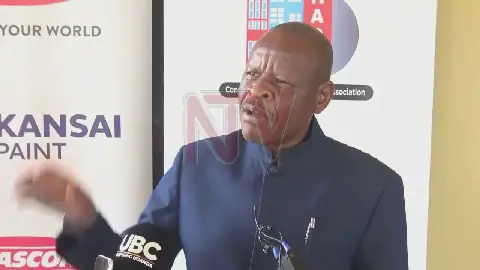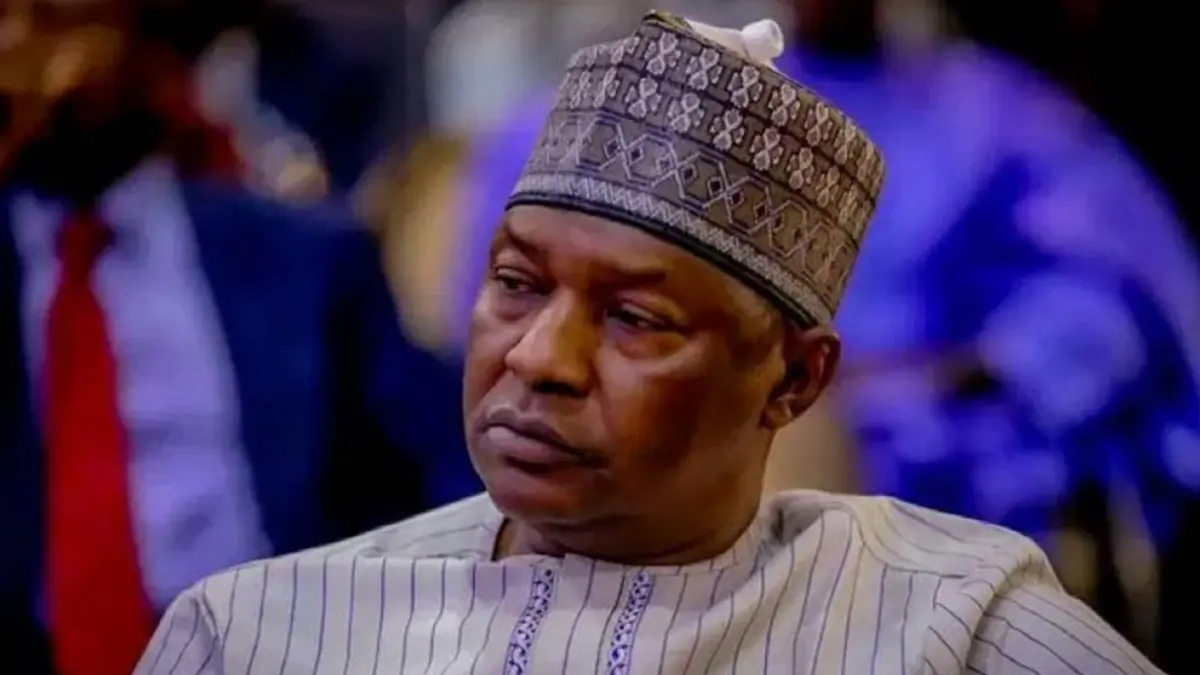
Former Attorney-General of the Federation and Minister of Justice, Abubakar Malami, has rejected the bribery and corruption findings made against him in the International Chamber of Commerce (ICC) award on the Mambilla Hydroelectric Power Project dispute. Malami welcomed Nigeria's victory in the arbitration but challenged the findings, stating that they should be considered alongside the complete documentary and evidentiary record.
The ICC tribunal, in its 616-page final award delivered in Paris on September 16, 2026, dismissed Sunrise Power's claims against Nigeria over agreements connected with the Mambilla project. However, the award also contained severe criticisms of Malami's handling of a 2020 settlement with Sunrise promoter, Leno Adesanya. The tribunal found that Malami acted against Nigeria's interests and described the settlement agreement and its addendum as products of corruption.
Malami's response comes as the tribunal's findings continue to generate controversy, particularly over the circumstances surrounding the settlement, the extent of presidential approval, and the former AGF's communications with Adesanya. Malami demands that the complete record of the arbitration be examined before conclusions are drawn about his role. He also stressed that an arbitral tribunal's findings in a commercial dispute should not automatically be equated with a criminal conviction.
According to Malami, the Mambilla controversy had been in existence for more than a decade before he became Attorney-General. He said the matter had been reviewed by his predecessor, Michael Aondoakaa, who recommended an amicable resolution, while a 2012 General Project Execution Agreement involving Sunrise and Sinohydro also predated his tenure. Malami maintained that his ministry became involved in the dispute principally in its capacity as the Federal Government's legal adviser.
A major issue examined by the ICC was the settlement reached during Malami's tenure. Malami said that by 2019, the unresolved arbitration had become a concern for the financing and implementation of the Mambilla project, including issues involving China Exim Bank. He referred to a September 5, 2019 discussion involving former President Muhammadu Buhari and the then Chinese senior official, Yang Jiechi, as part of the wider diplomatic and financial efforts surrounding the project.
The tribunal subsequently examined the settlement and a later addendum that increased Nigeria's potential exposure. Under the revised arrangement, a failure by Nigeria to meet its obligations could have resulted in an additional $200 million liability, alongside interest. The tribunal concluded that the revised terms significantly worsened Nigeria's position. Malami said former President Buhari did not approve the $200 million settlement.
Malami will undertake a comprehensive review of the full award and the underlying records before making a detailed response to the specific findings. He also urged that the observations in the award be considered alongside the complete documentary and evidentiary record, rather than through selective accounts of the tribunal's findings.
Key points
- Malami rejects bribery findings in ICC's Mambilla Hydroelectric Power Project dispute award.
- The ICC tribunal's findings have generated controversy over the circumstances surrounding the settlement and presidential approval.
- Malami demands full disclosure of the ICC record, citing the need for a comprehensive review.