Mamadou Diagna Ndiaye, a discreet and influential figure in Senegal's sports scene, has spent nearly two decades at the helm of the country's Olympic movement. With a career spanning various roles, including president of the Senegalese Tennis Federation and the African Tennis Confederation, Ndiaye has been a key figure in shaping the country's sports landscape. His experience and networks have led him to work with prominent sports organizations, including the International Tennis Federation and the International Military Sports Council.
Ndiaye's entry into the world of sports administration began with tennis, which opened doors for him to work with Francesco Ricci Bitti, then-president of the International Tennis Federation. In 2006, he became the head of the Senegalese National Olympic and Sports Committee (CNOSS), succeeding Abdoulaye Sèye Moreau. This marked the beginning of his long-standing involvement in Senegal's Olympic movement. Two years later, he took on a more challenging role, leading the normalization committee for the Senegalese Football Federation (FSF) after the country's football team faced a crisis.
The normalization committee, which included Saër Seck as his deputy, worked to revise the FSF's texts, revive competitions, and prepare for the return to elected governance. After 15 months of work, the committee handed over to a new leadership, with Me Augustin Senghor elected as the head of the FSF in 2009. Ndiaye's efforts helped to restore the institutional foundations of Senegalese football, which had been struggling. His experience in football normalization showcased his ability to navigate complex situations and lead the country's sports sector towards stability.
Ndiaye's rise to prominence in the Olympic movement continued with his election to the International Olympic Committee (IOC) in 2015. As one of four Senegalese to hold a seat on the IOC, he has contributed to various commissions, including sports, environment, and international relations. This position, combined with his role at CNOSS, solidified his influence in the international Olympic movement. In 2018, Senegal was chosen to host the 2022 Youth Olympic Games (YOG), with Ndiaye playing a key role in the country's successful bid.
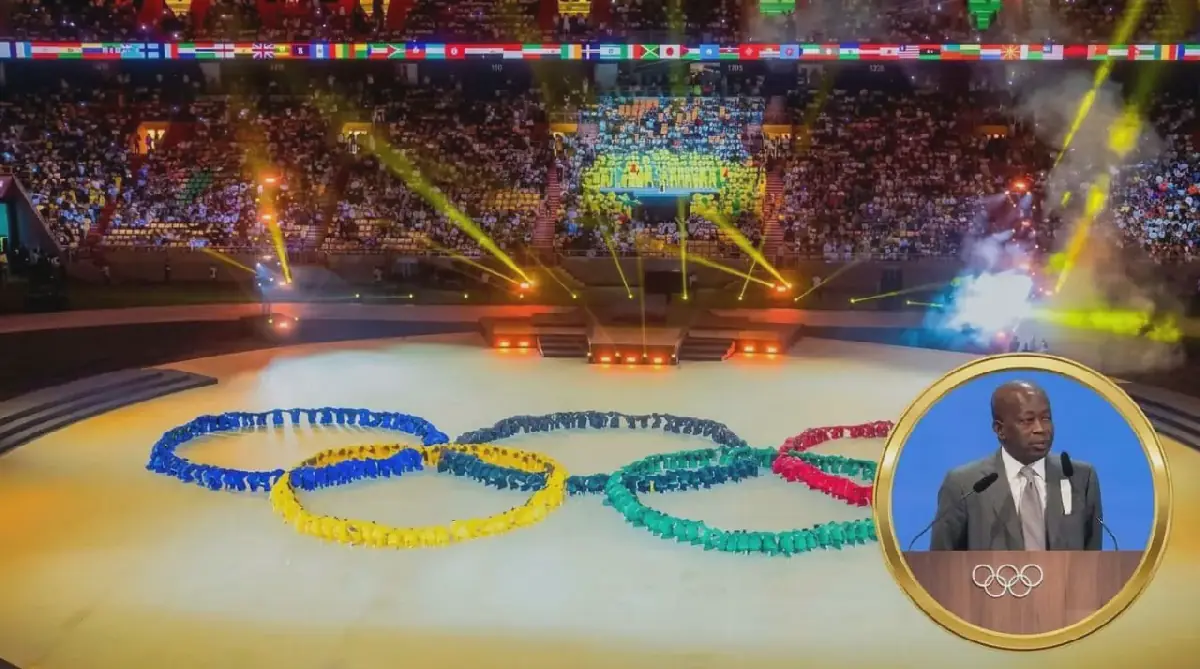
The Youth Olympic Games, now rescheduled for 2026 due to the COVID-19 pandemic, mark a historic moment for Senegal and Africa. As president of the Dakar 2026 Organizing Committee, Ndiaye has been instrumental in preparing for the event. The opening ceremony on October 31, held at the Abdoulaye Wade Stadium, marked a significant milestone, with the games set to continue until November 13. The event is expected to leave a lasting legacy for Senegal, with Ndiaye's efforts having secured significant investment and infrastructure development.
Beyond his sports roles, Ndiaye has built a network of relationships with economic and international circles. He has served as an advisor to sports institutions and President Macky Sall on investment and strategy matters. His ability to engage with diverse stakeholders has contributed to his influence in Senegal's sports sector. With a career spanning nearly 20 years, Ndiaye has announced that he will not seek re-election as CNOSS president, marking the end of an era.
As Ndiaye prepares to pass the baton, his legacy will be measured by the progress made in Senegal's Olympic movement, the experience gained by national actors, and the infrastructure left behind. His contributions to the country's sports sector, particularly in football and the Olympic movement, have been significant. The Youth Olympic Games, which he helped bring to Dakar, represent the culmination of his life's work, showcasing his dedication to Senegal's sports development.
Key points
- Mamadou Diagna Ndiaye steps down as president of Senegal's Olympic committee after nearly two decades.
- He played a crucial role in bringing the 2026 Youth Olympic Games to Dakar, Senegal.
- Ndiaye's legacy will be measured by the progress made in Senegal's Olympic movement and the infrastructure left behind.