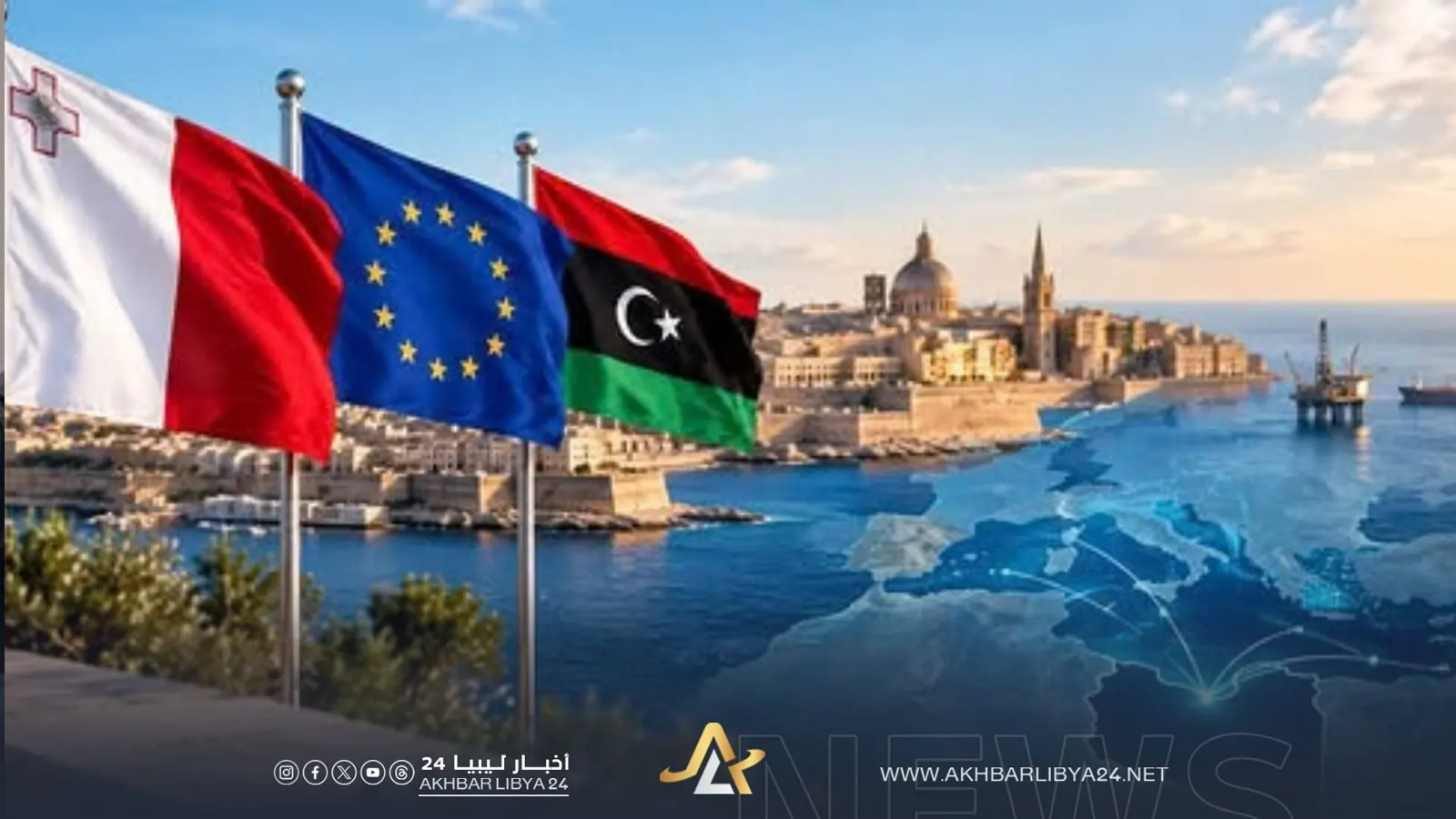
Malta's Prime Minister, Robert Abela, has urged the European Union to strengthen its presence in the Mediterranean region and expand its cooperation with neighboring countries, particularly Libya. During the MED9 summit in Croatia, Abela emphasized that the EU's relationship with Libya should not be limited to migration management but should also encompass energy, security, investment, and climate change. He stressed that the Mediterranean region is a strategic area for Europe, with interconnected issues such as security, trade, energy, and climate change.
Abela's call for a broader partnership with Libya reflects a shift in the EU's approach to its southern neighbors. He argued that the EU needs a stronger and more effective presence in the region, with a focus on building more comprehensive relationships with countries on the southern Mediterranean coast, including Libya. This approach aims to go beyond managing migration flows and instead foster cooperation in areas such as energy, climate change, security, and investment.
The MED9 summit provided a platform for Abela to promote his vision of repositioning the Mediterranean region as a priority in European policy. He highlighted the importance of the region's strategic location, where multiple issues converge, including security, trade, energy, and climate change. Abela's emphasis on expanding cooperation with Libya and other southern Mediterranean countries reflects Malta's interest in strengthening its ties with the region.
Abela's statements coincide with the EU's preparations for the next multiannual financial framework (2028-2034). He urged EU leaders to consider the specific needs and challenges facing Mediterranean countries when allocating resources. Abela emphasized that the EU's investment in the region should be proportionate to the challenges it faces, including security, energy, migration, infrastructure, and climate change.
The Maltese Prime Minister also stressed the need for the EU to balance its attention between its eastern and southern neighbors. He acknowledged the ongoing situation in eastern Europe but emphasized the importance of increasing focus on the EU's southern neighborhood and relations with Africa. Abela's vision for the Mediterranean region as a strategic area for the EU underscores the interconnectedness of European interests with those of north Africa and the Middle East.
In the area of climate change, Abela highlighted the need for a balanced approach that takes into account both the goals of the green transition and the competitiveness of European economies. He warned that climate policies should not negatively impact connectivity, infrastructure, and competitiveness. This issue is particularly relevant for Mediterranean countries, including Malta, which face unique challenges due to their geographical location and infrastructure needs.
Abela's call for a broader EU partnership with Libya and other southern Mediterranean countries has significant implications for the region. The proposed expansion of cooperation in areas such as energy, security, investment, and climate change reflects a more comprehensive approach to EU-Libya relations. This shift is likely to have a positive impact on Libya, which is a key player in the region's energy, migration, and security dynamics.
Key points
- Malta's Prime Minister Robert Abela urges the EU to expand its partnership with Libya beyond migration management to include energy, security, investment, and climate change.
- The EU's relationship with Libya should reflect the country's strategic importance in the Mediterranean region.
- Abela emphasizes the need for a balanced approach to climate change that takes into account both the goals of the green transition and the competitiveness of European economies.