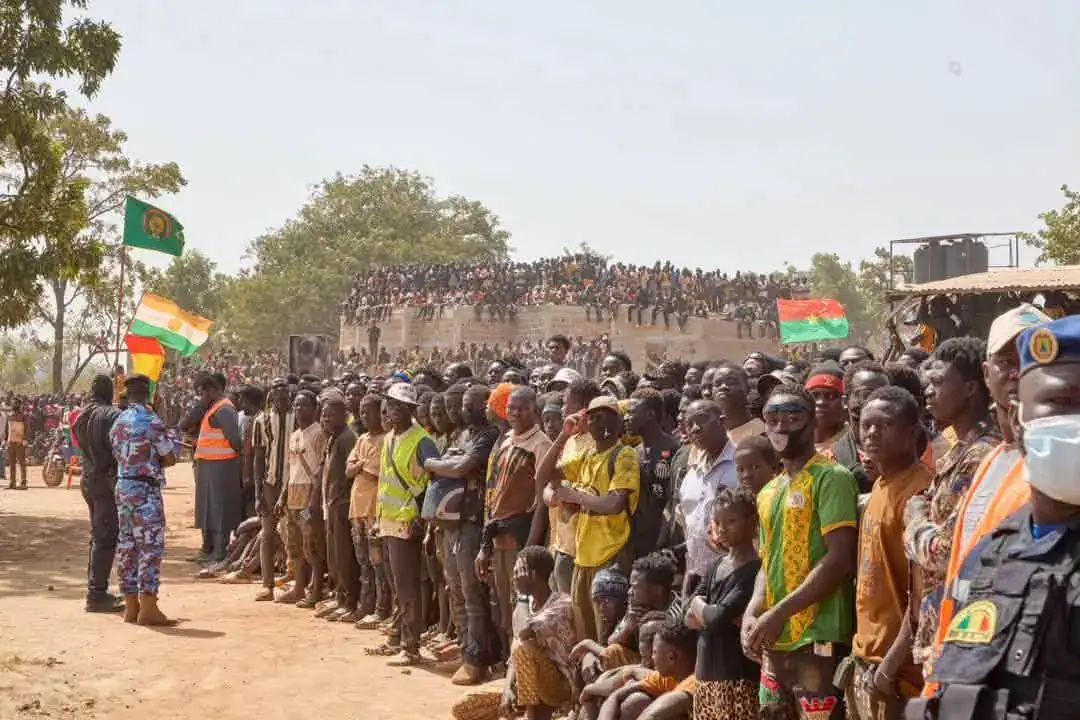
The recent decision by Guinea to regulate clandestine gold mining and combat illegal labor has sparked tensions with Mali and other countries in the Sahel region. While Guinea's move is legitimate as a sovereign nation, concerns have been raised about the implementation and potential humanitarian impacts. The Malian government must balance its own national interests with the need to protect human dignity and rights. This is particularly important given the existing challenges faced by Sahel states, including security, economic, and humanitarian crises.
The Alliance of Sahel States (AES), comprising Mali, Burkina Faso, and Niger, is critical in addressing these regional challenges. The solidarity and commitment among AES member states must go beyond diplomatic rhetoric and translate into tangible actions. However, the current tensions with Guinea risk undermining this solidarity and exacerbating the difficulties faced by populations in the region. It is essential for Malian authorities to engage in constructive dialogue with Guinea and other stakeholders to find mutually beneficial solutions.
The regulation of clandestine gold mining is a crucial issue for Guinea, as it seeks to better manage its economic activities and enforce its laws. However, this must be done in a way that respects human rights and dignity. The Malian government and other stakeholders must ensure that any measures taken do not lead to degrading treatment, forced expulsions, or situations that endanger people's safety. This requires a nuanced approach that balances national sovereignty with humanitarian concerns.
The crisis also highlights the need for African leaders to prioritize the well-being and dignity of their populations. Rather than engaging in confrontational postures, leaders should focus on improving governance, promoting economic development, and responding to the aspirations of their people. This includes addressing the root causes of migration, poverty, and insecurity in the region. By doing so, African leaders can demonstrate their commitment to solidarity and responsibility.
The situation is further complicated by allegations of political instrumentalization and destabilization. These claims must be examined seriously, with verifiable evidence, to prevent the escalation of diplomatic tensions or hostility between populations. The Malian authorities have a critical role in strengthening controls, establishing responsibilities, and providing support to those affected. This will help to ensure that the rights and dignity of all individuals are respected.
The populations of Mali and other AES member states must also play a role in promoting solidarity and understanding. Rather than stigmatizing or rejecting other African communities, they should recognize the shared challenges and aspirations that unite them. By embracing their diversity and promoting inclusivity, Malian and Sahel populations can help to build a more cohesive and supportive regional community.
Ultimately, the AES member states must work together to address their common challenges, including security, stability, and economic development. The solidarity and commitment that underpin the AES must be translated into concrete actions that benefit the populations of the region. By doing so, Mali, Burkina Faso, and Niger can demonstrate their dedication to a shared destiny and a brighter future for their people.
Key points
- The Malian government must balance its sovereignty with humanity in its response to Guinea's regulation of clandestine gold mining.
- The Alliance of Sahel States must prioritize solidarity and cooperation to address regional challenges.
- African leaders must prioritize the well-being and dignity of their populations in their decision-making.