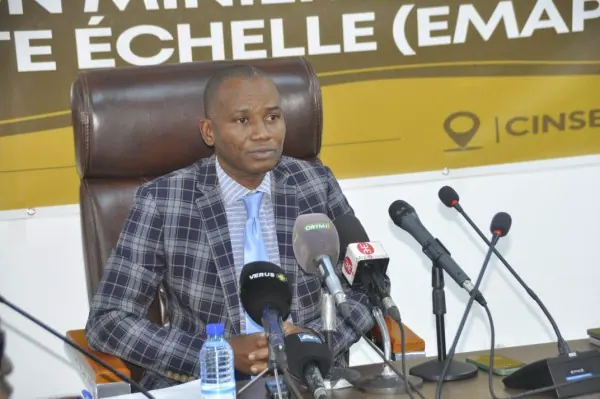
The Malian government has set up a commission to oversee the regulation of artisanal mining, aiming to mitigate the environmental, health, and security risks associated with the practice. The commission, led by Aly N'Dji Diarra, brings together representatives from various ministries, including Justice, Security, Environment, Health, and Energy and Water. The move is part of efforts to address the negative impacts of unregulated mining, particularly the use of dredges in waterways.
Artisanal mining, while providing a significant source of income for hundreds of thousands of Malians, has been linked to severe environmental degradation, health risks, and security concerns. The use of dredges in rivers has resulted in visible damage to riverbanks, altered watercourses, and increased water turbidity, posing a threat to aquatic life and the potability of water. The commission aims to enforce regulations and prevent the proliferation of clandestine mining activities.
The commission's establishment is part of a broader strategy to address the problems associated with artisanal mining. A technical secretariat has been set up to ensure the implementation of regulations and prevent security and fiscal irregularities. The government has also emphasized the importance of collaboration with the media to raise awareness and promote the commission's objectives.
According to Aly N'Dji Diarra, the commission's goal is to tackle the problems associated with artisanal mining in a coherent and integrated manner. He stressed the importance of protecting Mali's water resources, highlighting that the country's rivers are a vital patrimony for its future. Diarra also recalled that the use of dredges is prohibited under the country's mining code.
Ibrahima Berthé, a member of the commission, emphasized the need for a multi-stakeholder approach to address the issue. He noted that the commission's work is crucial in mobilizing against the destruction of water resources and the risks it poses to public health. Berthé also highlighted the existing legal framework, including an inter-ministerial decree suspending dredging activities and an ordinance regulating artisanal mining.
The commission's work will involve collaboration with various stakeholders, including media professionals, to ensure effective communication and awareness-raising. The government has recognized the importance of engaging with the public and the media to promote the commission's objectives and prevent the negative impacts of artisanal mining.
The establishment of the commission marks a significant step towards addressing the environmental, health, and security risks associated with artisanal mining in Mali. The government's efforts to regulate the sector and promote sustainable mining practices are expected to have a positive impact on the country's environment, public health, and economy.
Key points
- The Malian government has established a commission to regulate artisanal mining and address environmental, health, and security concerns.