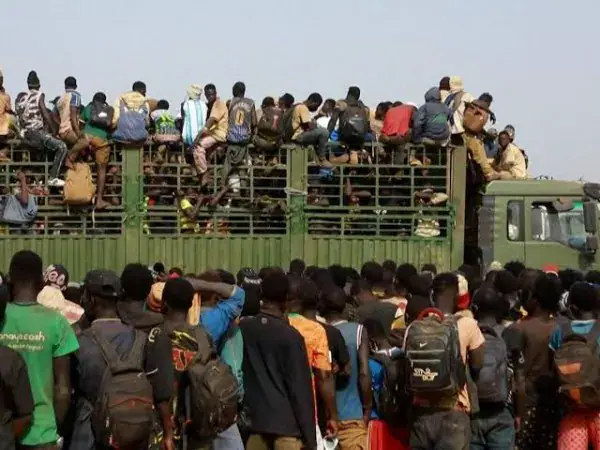
The situation for refugees from Guinea in Mali remains ongoing, with over 1,100 individuals still present at the Bamako site. Efforts to repatriate these refugees are underway, with authorities mobilizing resources to facilitate their return. On November 16, a truck was deployed from the Kouremalé gathering site to transport around 110 people, including four to Bamako and 106 to Burkina Faso.
The repatriation process involves coordination between Malian and Burkinabé authorities. On November 17, Burkinabé authorities deployed 20 buses, two military trucks, and 16 medical ambulances to ensure the safe return of their citizens. These efforts aim to provide a dignified and organized repatriation process for the refugees. The presence of medical ambulances highlights the importance of addressing the health and well-being of those being repatriated.
New arrivals have been reported at the Kouremalé site, with 54 additional refugees from Guinea arriving, including 30 Malians and 24 Burkinabés. Authorities have made arrangements for their transportation to Bamako or Burkina Faso, according to their nationality. This ongoing influx of refugees requires continued coordination and resources to manage the situation effectively.
The Malian government, led by Prime Minister General of Division Abdoulaye Maïga, has been actively involved in managing the crisis. On November 14, a meeting of the Interministerial Committee for Crisis and Disaster Management was held to review the operation's progress. This committee plays a crucial role in overseeing the repatriation efforts and ensuring a coordinated response.
The refugee crisis is part of a broader context of regional instability. The Malian military has been engaged in operations against terrorist groups, including strikes on positions north and northeast of Abeïbara and southwest of Sévaré on November 14 and 16. These military operations aim to secure the region and prevent further instability.
The issue of refugees from Guinea is also linked to broader regional dynamics. The Prime Minister has been engaged in discussions with various stakeholders, including representatives of the West African Economic and Monetary Union (UEMOA) chambers of commerce. These interactions underscore the economic and social implications of the refugee crisis and the need for a comprehensive response.
As the situation continues to evolve, the Malian authorities face the challenge of balancing the repatriation of refugees with the need to maintain regional stability and security. With over 73,000 refugees evacuated since the start of the operation, the focus remains on ensuring a safe and dignified return for those still in Mali. The international community and regional organizations are likely to play a significant role in supporting these efforts.
Key points
- Over 1,100 refugees from Guinea remain in Mali, with authorities working to repatriate them.