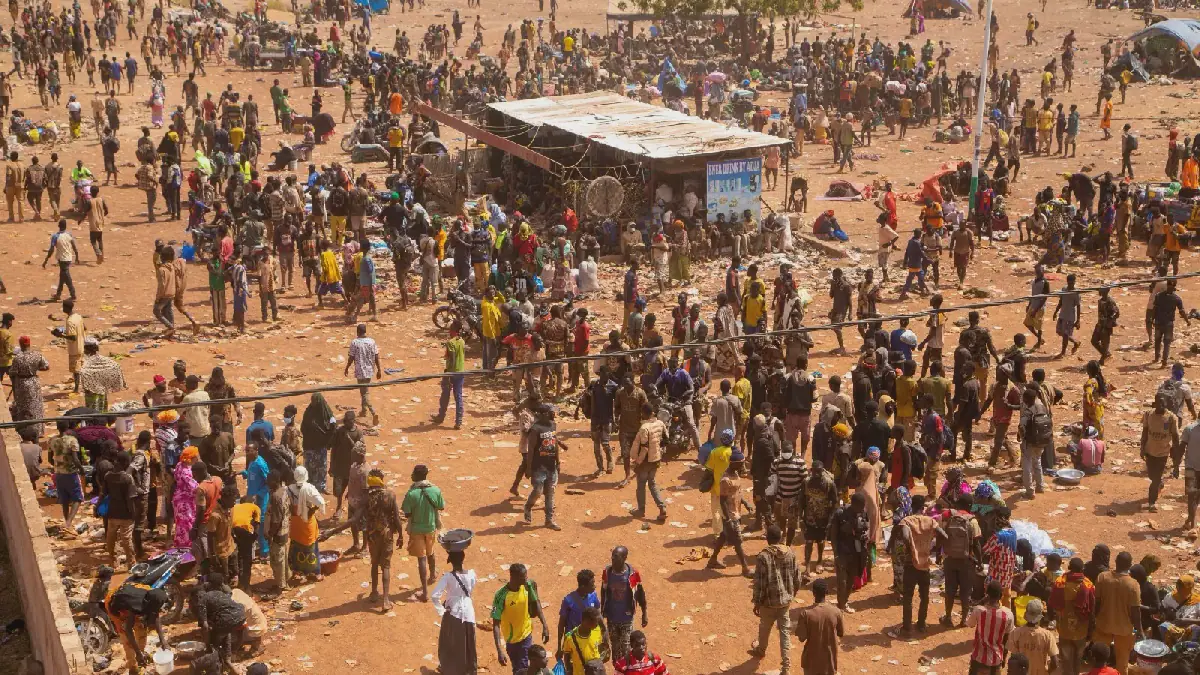
The Centre de coordination et de gestion des crises (CECOGEC) reported a slight slowdown in the arrivals of refugees from Guinea in Bamako. According to a statement released on November 9, 2026, the decrease in arrivals can be attributed to the transfer of nearly 49,000 people between November 5 and 8. The CECOGEC also noted that the site of Kouremalé, located at the Guinean border, has been reinforced to better organize the reception and departures.
Despite the slowdown in Bamako, arrivals continue in other regions, including Bougouni, Kita, and Kayes, particularly in Kéniéba. The Malian authorities have been working to facilitate the transportation of refugees to other countries. On November 8, 2026, Mali mobilized 49 trucks and 24 buses to transport around 11,000 people to Burkina Faso. This effort was followed by Burkina Faso sending 49 buses to repatriate nearly 2,880 of its nationals on November 9.
The repatriation process has been ongoing, with 15 trucks deployed to Kouremalé to initiate the first departures from the site on November 9. Additionally, 182 people were transferred from Kéniéba to Bamako, where they are receiving medical care. The CECOGEC has expressed gratitude for the solidarity shown by various stakeholders, including humanitarian partners, youth organizations, social workers, economic operators, and volunteers.
The CECOGEC has called for the continued support of refugees, emphasizing the importance of maintaining the current level of solidarity. In case of emergencies, several phone numbers have been made available, including those for the Protection civile (122), Police nationale (100), Gendarmerie nationale (110 or 111), Garde nationale (145), and CECOGEC (144).
The situation remains a priority for the Malian authorities, who are working to ensure the well-being of refugees. The reinforcement of the Kouremalé site has helped to improve the organization of arrivals and departures. However, the needs of refugees continue to be a concern, with many requiring medical care and other forms of support.
The international community has been involved in the response efforts, with various organizations providing assistance to refugees. The Malian government has also been working with neighboring countries, such as Burkina Faso, to facilitate the repatriation of nationals. The CECOGEC has been playing a key role in coordinating the response efforts.
As the situation continues to evolve, the CECOGEC and other stakeholders remain vigilant, working to address the needs of refugees and ensure their safety. The slowdown in arrivals in Bamako is a positive development, but the situation remains fragile, and continued support is necessary to ensure the well-being of refugees.
Key points
- Nearly 49,000 people transferred between November 5-8, arrivals slow down in Bamako
- Arrivals continue in regions of Bougouni, Kita, and Kayes, particularly in Kéniéba
- CECOGEC calls for continued solidarity and support for refugees