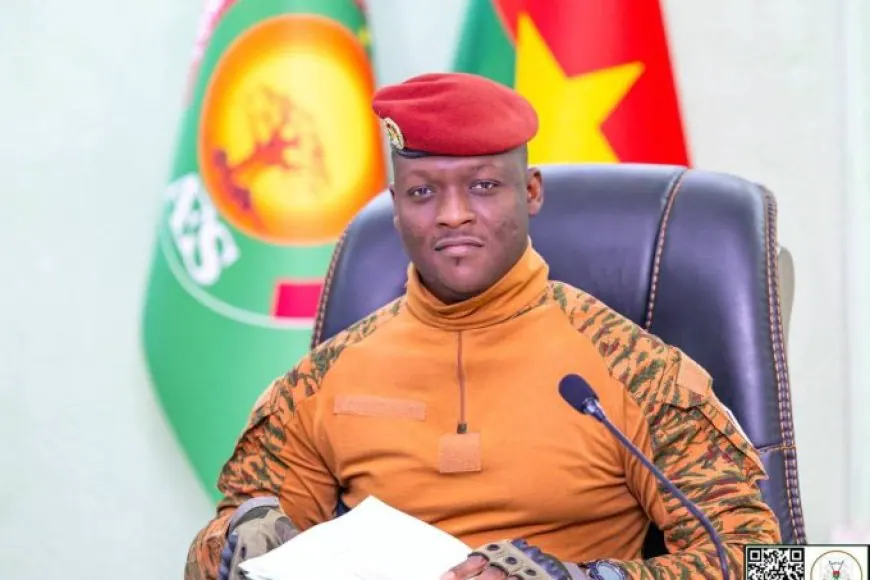
In a recent interview with Burkinabè journalists, Captain Ibrahim Traoré, the leader of Burkina Faso, launched a scathing attack on the International Criminal Court (ICC), describing it as an "instrument of imperialism" created solely to target Africans. He questioned the ICC's effectiveness, asking how many Africans had been brought before the court and how many Westerners had faced prosecution.
Traoré's comments reflect his country's growing disillusionment with the ICC. This summer, Burkina Faso, along with two other members of the Alliance of Sahel States (AES), officially initiated its withdrawal from the ICC, citing the court's perceived politicization and bias. The move signals a significant shift in the country's stance towards international justice and its perceived role in global affairs.
The ICC has faced criticism in the past for its focus on African cases, with some arguing that it disproportionately targets African leaders while ignoring similar crimes committed by Western powers. Traoré's remarks echo these sentiments, as he highlighted the court's inaction in the face of thousands of deaths in the Sahel region. He emphasized that his country would not remain part of an institution that it sees as an instrument of domination.
The Sahel region has been plagued by insecurity and violence in recent years, with various extremist groups operating in the area. The ICC's role in addressing these crimes has been limited, leading to frustration among local leaders and populations. Traoré's comments reflect a broader sentiment in the region that the ICC is not doing enough to address the root causes of the violence or to hold Western powers accountable for their actions.
Burkina Faso's decision to withdraw from the ICC has significant implications for the country's relationships with international partners. The move is seen as part of a broader shift towards greater regional autonomy and self-reliance, as countries in the Sahel region seek to assert their independence in the face of global pressures.
Traoré's criticism of the ICC is not an isolated incident, as several African countries have expressed frustration with the court's perceived bias and ineffectiveness. The African Union has also called for reforms to the ICC, arguing that it should be more representative and accountable to African countries. The debate over the ICC's role in Africa is likely to continue, with many countries reevaluating their relationships with the court.
The implications of Traoré's comments and Burkina Faso's withdrawal from the ICC remain to be seen. However, it is clear that the country's leaders are seeking to assert their independence and challenge the status quo in international relations. As the situation continues to unfold, one thing is certain: the ICC's role in Africa is facing increasing scrutiny and criticism.
Key points
- Captain Ibrahim Traoré criticizes the ICC as an "instrument of imperialism" used to target Africans.
- Burkina Faso has officially initiated its withdrawal from the ICC, citing the court's perceived politicization and bias.
- The ICC's role in addressing crimes in the Sahel region has been limited, leading to frustration among local leaders and populations.