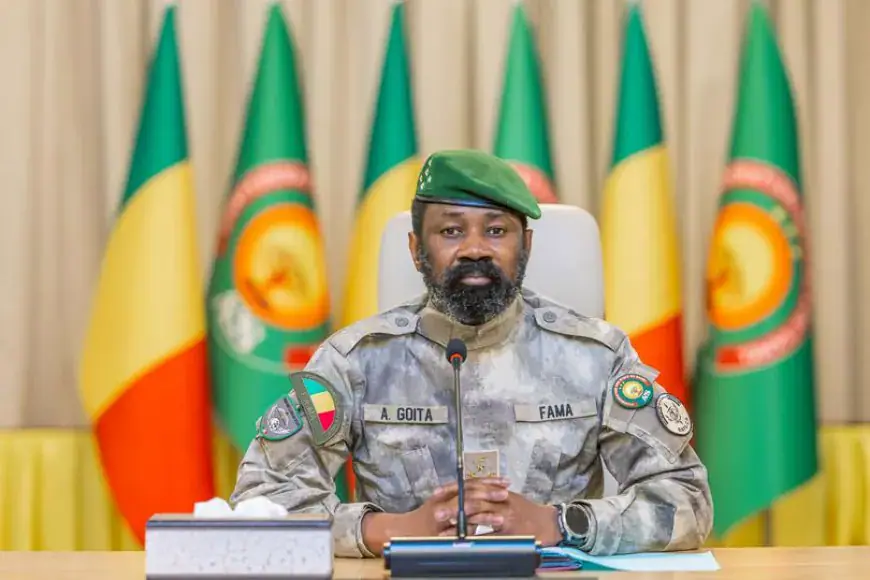
On November 24, 2026, Malian transitional president and head of state, Assimi Goïta, chaired a meeting with chiefs of staff and directors of defense and security services at the Koulouba Palace. The gathering focused on assessing the situation of the Malian armed forces, enhancing their operational capabilities, and defining national defense strategic orientations. Discussions covered the organization of armed forces, military operations, and adapting the defense system to current security challenges.
The meeting's objectives included ensuring better coherence in military action, according to General Oumar Diarra, minister delegate to the minister of defense and former combatants. Key areas of discussion included the strategic vision of the defense department, the Military Orientation and Programming Law, human resource management, operations, and cooperation with partners. President Goïta's directives emphasized strengthening personnel and equipment, improving the organization of the Malian armed forces, and consolidating operational gains.
General Élysée Jean Dao, chief of staff of the armed forces, presented an operational situation report and efforts made since taking command. The president commended progress made and urged continued operations against terrorist armed groups. He also stressed the need to strengthen the Unified Force of the Alliance of Sahel States through increased cooperation and better coordination among member countries' forces.
This meeting with top military commanders reflects the authorities' commitment to reinforcing the defense and security apparatus and adapting force capabilities to ground requirements. The concertation aims to address current security challenges effectively. According to sources, the Malian armed forces have made significant progress in recent operations, including the liberation of several hostages.
In the context of regional security, Mali's defense and security efforts are crucial in the fight against terrorism in the Sahel region. The Alliance of Sahel States, comprising Mali, Burkina Faso, and Niger, seeks to enhance cooperation and coordination to tackle security challenges. Mali's armed forces have been actively engaged in operations against terrorist groups, with support from international partners.
The meeting's outcomes and future actions will likely impact Mali's security landscape and the broader Sahel region. Strengthening the Malian armed forces and enhancing regional cooperation are essential in addressing the complex security challenges facing the region. Mali's transitional government has prioritized security and defense reforms to ensure stability and protect citizens.
Moving forward, the implementation of the president's directives and the military's strategic orientations will be crucial in achieving security objectives. The success of these efforts will depend on effective coordination, resource management, and cooperation with regional and international partners. The situation in Mali and the Sahel region remains a critical concern for international stakeholders.
Key points
- President Assimi Goïta emphasized the need to strengthen the Unified Force of the Alliance of Sahel States through increased cooperation and better coordination among member countries' forces.