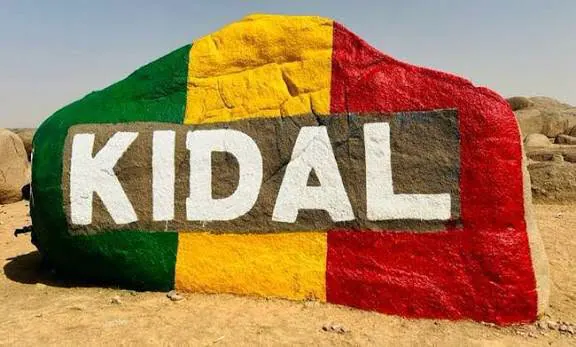
The Malian military's recent takeover of Kidal has marked a significant turning point in the country's conflict. The city, long a symbol of armed groups and rebellion, has been retaken by the Forces armées maliennes (FAMa). This development comes amid a sensitive regional context, including the resumption of diplomatic relations between Mali and Algeria. The Malian government's efforts to assert its authority over the entire territory have been bolstered by this military success.
Kidal holds great symbolic importance in Mali's history, and its recapture by the FAMa demonstrates the military's ability to regain the initiative and defend the country's territorial integrity. The operation is seen as a strategic victory, showcasing the military's planning and capabilities. The Malian people have welcomed this development, which has boosted morale and confidence in the military. The government's determination to assert control over the national territory has been made clear.
However, the media coverage of this event has been surprisingly muted, particularly in the French and Western press. Some outlets have focused on the withdrawal of armed groups rather than the significance of the FAMa's operation. This limited coverage raises questions about the role of the media in reporting on major events and the narratives surrounding the conflict in Mali. The Malian government has expressed concerns about the need for accurate and balanced reporting.
The subdued media response may be linked to the strained relations between Mali and France, as well as the departure of French forces and the Minusma mission. A battle of narratives has accompanied the reconfiguration of the Sahel's politics and security landscape. Mali seeks to take a more prominent role in this information battle, emphasizing the need for regional actors to assume responsibility for addressing the Sahel's crises.
The Malian government's message has been clear: it will no longer tolerate complacency, double standards, or partial readings of the Sahelian reality. The recent diplomatic sequence with Algeria, following the downing of a Malian drone, highlights the importance of responsibility, dialogue, and regional solutions. The government, along with its partners, will continue to communicate efforts to convey the realities on the ground and counter reductive or unfavorable narratives.
The battle for information has become a matter of sovereignty for Mali. The recapture of Kidal is more than a military victory; it sends a signal to the Malian people, the AES countries, and the international community. The Sahel is undergoing changes, and it can no longer be viewed through the lens of the past. Mali is not asking for others to share its perspective but demands that they acknowledge the reality of the situation.
The stability of the Sahel cannot be achieved without the involvement of the region's people, their responsibilities, and respect for their desire to shape their own destiny. The Malian government will continue to push for a more accurate and nuanced understanding of the situation in the Sahel. The international community is expected to take a more informed and supportive role in addressing the region's challenges.
Key points
- The recapture of Kidal by the Malian military marks a significant turning point in the country's conflict.
- The muted media coverage of the event has raised questions about the role of the media in reporting on major events and the narratives surrounding the conflict in Mali.
- The Malian government seeks to take a more prominent role in the information battle, emphasizing the need for regional actors to assume responsibility for addressing the Sahel's crises.