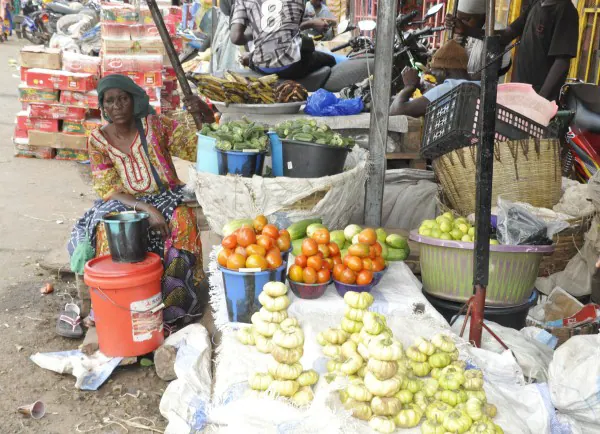
In the early hours of the morning, the markets of Bamako come alive with the vibrant colors of fresh produce. Among the stalls, one product stands out: the "goyo" vegetable, also known as the African eggplant. This staple in Malian cuisine has a rich history, with a production chain that involves many women, from farmers to vendors. The goyo is a source of nutrition, income, and cultural heritage for many families.
At Baguinéda, a small town near Bamako, Adiara Doumbia tends to her garden, where she grows goyo and other vegetables. As a farmer, she knows the challenges of cultivating this crop, which requires patience, attention, and availability. Despite the difficulties, Adiara is committed to her work, as the goyo provides a vital source of income and food for her family. She emphasizes the importance of good seeds, water, and soil quality in ensuring a successful harvest.
Once harvested, the goyo is transported to urban markets, where wholesalers and retailers take over. At the Wonida market, Salimatou buys goyo from farmers and sells it to retailers. She notes that the goyo is in high demand, particularly for its leaves, which are used in traditional sauces. However, Salimatou also highlights the challenges of working with a fragile product that requires rapid sale and proper conservation to avoid spoilage.
Street vendors like Rokia play a crucial role in bringing the goyo to consumers. With her basket filled with fresh produce, Rokia navigates the neighborhoods, selling goyo to households. She notes that many women prefer to buy from her because she brings the product directly to their doorstep. Some consumers even eat the goyo raw, appreciating its unique flavor and freshness.
For Kadidia, a homemaker and consumer, goyo is a staple in her kitchen. She uses its leaves and fruits in various traditional dishes, passed down from her mother. Kadidia emphasizes the importance of goyo in Malian cuisine, not only for its flavor but also for its cultural significance. The goyo is also valued for its nutritional benefits, rich in water, fibers, and minerals.
Despite its importance, the goyo production chain faces several challenges, including limited access to quality seeds, irrigation, and pest control. Additionally, post-harvest losses and weak commercial circuits hinder the development of the sector. However, experts believe that with better organization, improved conservation techniques, and more structured commercial circuits, the goyo sector can increase its potential and benefit more actors.
As the goyo continues to play a vital role in Malian cuisine and economy, women's resilience and resourcefulness remain at the heart of its production chain. From farmers like Adiara to vendors like Rokia and Salimatou, women are driving the goyo sector forward, ensuring its continued relevance and importance in Malian culture and daily life.
Key points
- The goyo vegetable is a vital source of income and food for many families in Mali.
- Women play a crucial role in the goyo production chain, from farming to vending.
- The goyo sector faces challenges, including limited access to quality seeds, irrigation, and pest control.