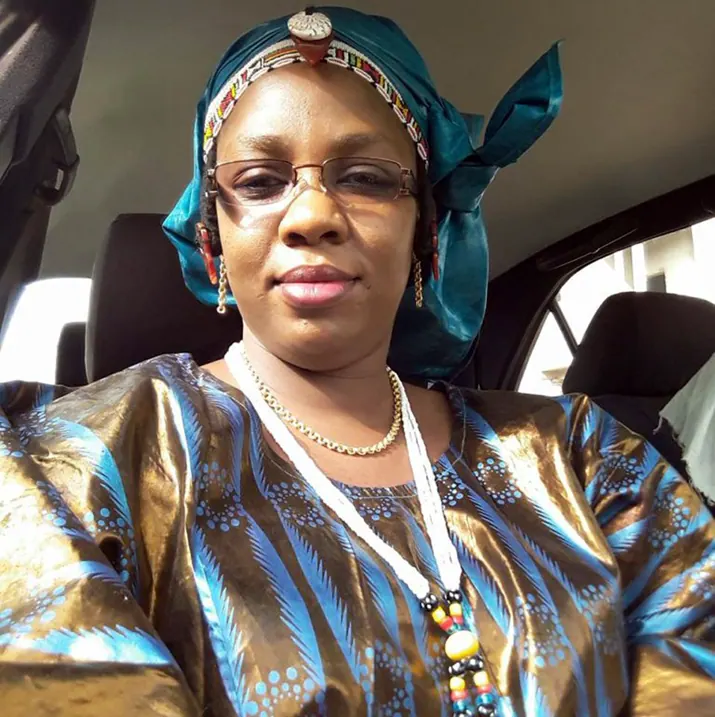
Amina Dicko, president of the Malian association Solidaris 223, has shed light on the obstacles hindering early detection and treatment of cervical and breast cancers in Mali. According to Dicko, one of the primary concerns is the normalization of initial symptoms, leading to delayed medical consultations. This issue is further complicated by the reluctance of some women to undergo medical examinations, resulting in diagnoses being made at more advanced stages of the disease.
The situation is particularly dire for women living in vulnerable conditions, including those displaced or residing in remote areas. The lack of access to healthcare facilities and support systems exacerbates the problem, causing delays in diagnosis and treatment. Dicko emphasized that addressing these challenges requires a multi-faceted approach that takes into account the socio-economic and environmental factors affecting women's health.
To improve early detection and treatment, Dicko advocates for enhanced community-based awareness campaigns. These campaigns should involve local associations, community leaders, and healthcare professionals, using messages conveyed in languages understood by the target audience. Additionally, making screening services more accessible and affordable, particularly for vulnerable populations, is crucial in encouraging women to come forward for check-ups.
Dicko also stresses the importance of developing partnerships between healthcare facilities, civil society, and authorities to better coordinate prevention and care. By working together, these stakeholders can ensure a more comprehensive approach to addressing the challenges posed by cervical and breast cancers in Mali. This collaboration is seen as essential in improving health outcomes for women in the country.
The need for such partnerships is underscored by the current state of healthcare infrastructure in Mali. Many women face significant barriers in accessing healthcare services, including a shortage of healthcare facilities and personnel. By strengthening the network of healthcare providers and community-based organizations, it is hoped that more women will be able to access screening and treatment services.
Another critical aspect of addressing the issue is the provision of free or subsidized screening services. This is particularly important for vulnerable populations, who may not be able to afford the costs associated with screening and treatment. By making these services more accessible, it is expected that more women will be encouraged to come forward for screening, leading to earlier detection and treatment of cervical and breast cancers.
In conclusion, Amina Dicko and Solidaris 223 are calling for a concerted effort to address the challenges posed by cervical and breast cancers in Mali. Through enhanced awareness campaigns, improved access to screening services, and strengthened partnerships between healthcare providers and community-based organizations, it is hoped that more women will be able to access life-saving healthcare services.
Key points
- Amina Dicko highlights the need for community-based awareness campaigns to address the normalization of initial symptoms and encourage women to come forward for screening.
- The situation is particularly challenging for women living in vulnerable conditions, including those displaced or residing in remote areas.
- Partnerships between healthcare facilities, civil society, and authorities are essential in improving prevention and care.