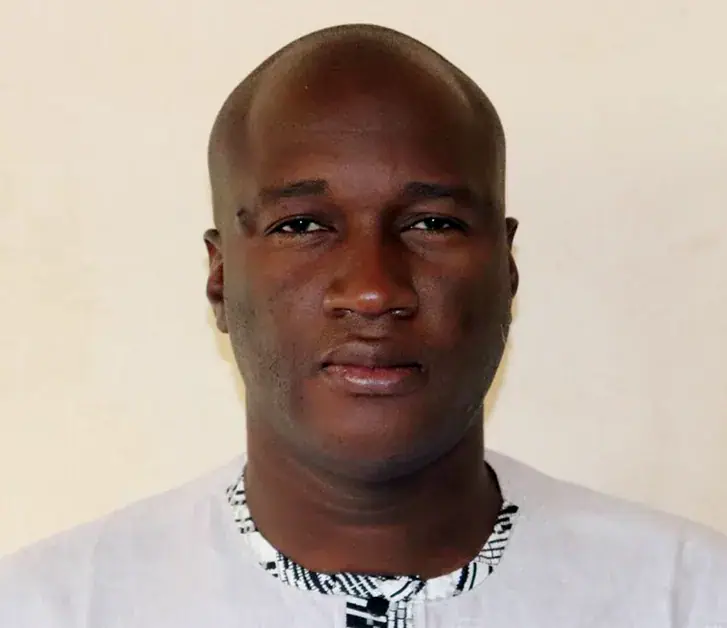
Mali has long faced the challenge of reintegrating its citizens who have been forcibly returned from other countries. According to Dr. Almamy Sylla, an anthropologist and lecturer at the University of Yambo Ouologuem in Bamako, the country's experience with forced returns dates back to its creation. In the 1970s, Malians who had settled in Dakar were forcibly returned, and some were resettled in agricultural areas such as Badinko. Similar returns have occurred over the years, including from Libya in 2011 and from Côte d'Ivoire in 2002.
Dr. Sylla notes that while Mali has experience with managing forced returns, many previous reintegration projects have failed. He attributes this to a lack of involvement from the individuals being reintegrated, as well as inadequate management and resources. The current context in Mali, marked by a crisis since 2012, has further complicated efforts to reintegrate returned individuals. The country's economic and social challenges have made it difficult for the government to provide adequate support for reintegration programs.
One of the key challenges in reintegrating returned individuals is finding suitable economic activities for them. Many of those who have returned from Guinea are familiar with artisanal gold mining, but this activity is often unsustainable and environmentally damaging. Dr. Sylla suggests that finding alternative economic activities that align with the skills and interests of returned individuals is crucial. This may involve providing training and support for agriculture or other sectors.
For sustainable reintegration to occur, Dr. Sylla emphasizes the need for a three-step approach. First, individuals must be willing to stay in Mali. Second, they must be willing to adapt to new economic activities. Third, they must receive support and resources to help them establish themselves in their chosen activities. The experience of Badinko in the 1970s offers a promising example of how this approach can work.
Dr. Sylla stresses the importance of involving returned individuals in the design and implementation of reintegration projects. This includes listening to their needs and concerns, as well as providing ongoing support and resources. Simply providing financing for projects is not enough; instead, a more holistic approach that prioritizes community involvement and participation is needed.
The issue of reintegrating returned individuals is not unique to Mali, and Dr. Sylla suggests that the country's experience can inform regional efforts to address this challenge. The Alliance of Sahel States, which includes Mali, Burkina Faso, and Niger, must work together to develop sustainable solutions for managing returns and promoting economic development.
Ultimately, Dr. Sylla argues that a key to successful reintegration is to prioritize the needs and perspectives of returned individuals. By listening to their concerns and working with them to develop sustainable projects, Mali and other countries can help ensure that reintegration efforts are successful and lasting. This approach requires a long-term commitment to supporting returned individuals, but it offers a promising path forward for building more sustainable and equitable communities.
Key points
- The experience of forced returns in Mali offers valuable insights for current efforts to reintegrate Malians returned from Guinea and other countries.
- Sustainable reintegration requires a three-step approach: willingness to stay, adapt to new economic activities, and receive support and resources.
- Involving returned individuals in the design and implementation of reintegration projects is crucial for their success.
Reporting sources
- Dr Almamy Sylla : « Il faut continuer à les écouter » · Le Journal du Mali