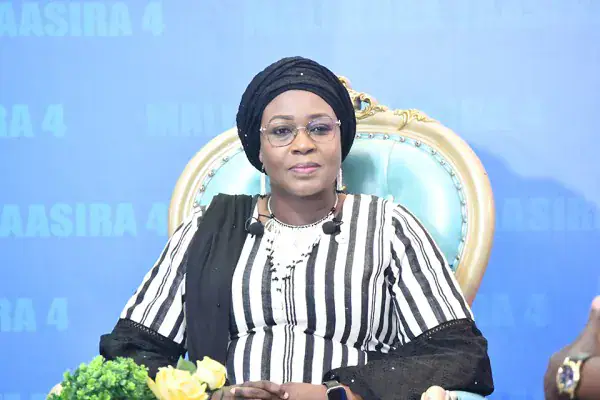
The Malian government has made significant strides in environmental conservation, according to Minister of Environment, Sanitation, and Sustainable Development, Mme Doumbia Mariam Tangara. She highlighted the achievements in land restoration, reforestation, sanitation, and protection of natural resources. These efforts aim to promote sustainable development and address environmental challenges in the country. The minister's statement was reported by L'Essor on November 20, 2026.
The government's environmental initiatives were also showcased at the 2nd edition of the SIE-AES, which took place at the Stade du 26 Mars. The event was presided over by Prime Minister Abdoulaye Maïga and aimed to promote a dynamic private sector that can respond to the needs of the population, create jobs, and conquer new markets. The conference brought together experts, stakeholders, and young talents to discuss the challenges and opportunities in Mali's economic transformation.
In addition to environmental conservation, the Malian government is also addressing social and economic issues. For instance, small traders are finding innovative ways to capitalize on social events such as weddings. They offer various goods and services, including fresh juices, chips, and handkerchiefs, to cater to the needs of wedding guests. This phenomenon highlights the resourcefulness of small traders in Mali.
The country is also grappling with the challenges of ensuring adequate nutrition for breastfeeding women. A recent report highlighted the varying conditions that affect the ability of women to access balanced diets. While some women face difficulties in meeting their nutritional needs, others do not experience significant challenges. This disparity underscores the need for targeted interventions to support vulnerable groups.
Furthermore, women's groups in Mali are mobilizing to address the impacts of extractivism and limited access to agricultural land. In areas affected by mining and land scarcity, women face persistent inequalities that undermine their economic activities and autonomy. A recent sensitization and mobilization meeting in Bamako aimed to raise awareness about these issues and promote advocacy for policy changes.
The Malian government is also addressing the challenges faced by nationals and foreigners who have been repatriated from Guinea after being forced to leave gold mining sites. The influx of people from various countries, including Ghana, Benin, Niger, and Burkina Faso, has prompted a solidarity response in Bamako. Local authorities and organizations are working to provide support to these individuals.
Finally, Mali is prioritizing cybersecurity as a national security and sovereignty issue. The 4th edition of the National Cybersecurity Days (JNC) recently took place in Bamako, bringing together experts, professionals, and young talents to discuss the challenges and opportunities in this field. The event aimed to promote a safer and more resilient cyberespace in Mali, with a focus on artificial intelligence and digital sovereignty.
Key points
- The Malian government has made progress in land restoration, reforestation, sanitation, and natural resource protection.
- Women's groups are mobilizing to address the impacts of extractivism and limited access to agricultural land.
- The country is prioritizing cybersecurity as a national security and sovereignty issue.